Iran and Tajikistan to Introduce 30-Day Visa-Free Travel for Truck Drivers
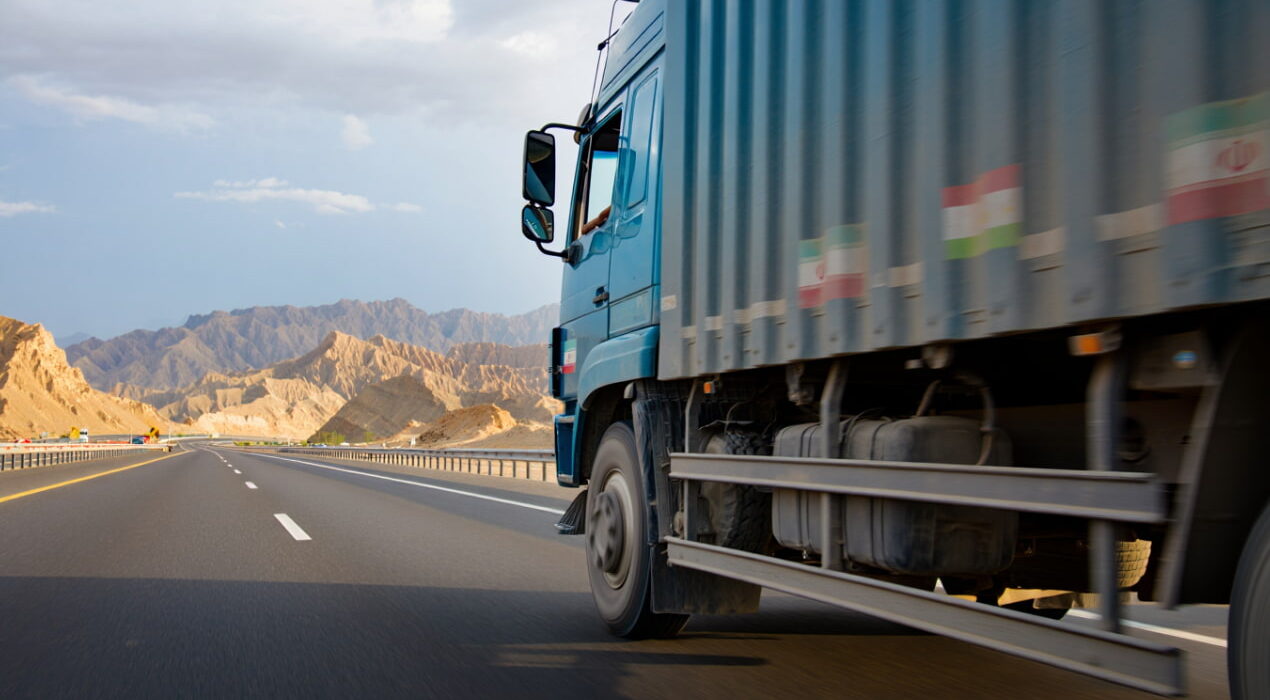
A significant new travel and trade agreement is set to take effect in Central Asia. Starting in March 2026, Iran and Tajikistan will mutually lift visa requirements for international truck drivers, allowing for stays of up to 30 days without a visa.
The Tajik Foreign Ministry announced the policy, which aims to streamline cross-border freight transport and significantly boost bilateral trade. The agreement follows earlier high-level discussions between Tajik President Emomali Rahmon and Iran’s Interior Minister, Eskandar Momeni.
Simplifying Logistics and Deepening Economic Ties
The primary goal of the new regime is to accelerate the flow of goods by removing a key bureaucratic barrier for the logistics sector. Officials state that the visa-free access will make trade and transport between the two nations faster and more efficient.
This move builds upon existing cooperation, including an earlier agreement that established visa-free air travel for citizens of both countries. The latest step is seen as a practical measure to strengthen economic integration and connectivity.
Part of a Broader Strategic Partnership
The transportation agreement is one component of expanding bilateral relations. Both nations are actively strengthening cooperation in other critical sectors, including civil aviation, banking, and investment.
Joint initiatives are also underway in energy, infrastructure, and agriculture. Officials suggest that the smoother movement of people and goods could even facilitate growth in areas like cultural and medical tourism over time.
A Trend Towards Facilitation in the Region
This bilateral move reflects a regional trend of using visa facilitation as a tool for economic growth. The report notes a similar recent development where India and Saudi Arabia approved visa-free travel for officials to deepen their strategic ties.
By focusing on the practical needs of trade and transport, Iran and Tajikistan are taking a concrete step to bring their economies closer together and enhance regional stability.