Iran Israel Airspace Closure Disrupts Global Flights
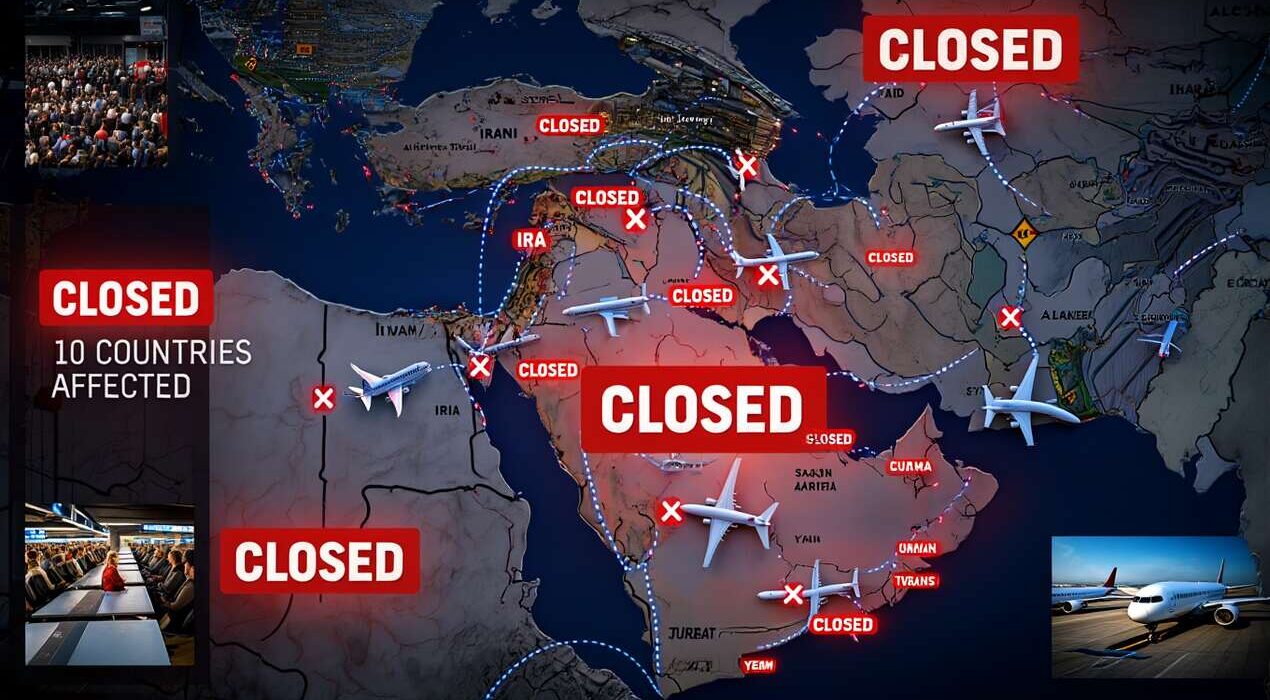
Iran Israel Airspace Closure has forced 10 countries to shut their skies, disrupting global travel. Authorities closed major flight routes across the Middle East. As a result, thousands of flights faced cancellations and delays. A spokesperson for the Pakistan Civil Aviation Authority confirmed widespread closures. Iran, Iraq, Israel, Kuwait, Bahrain, Qatar, and Syria suspended all flight operations. In addition, the United Arab Emirates, Lebanon, and Jordan also closed their airspace. However, officials confirmed that Pakistan’s airspace remains fully open and safe for operations. Therefore, flights can continue to use Pakistani routes without restrictions.
Major Hubs Shut Down
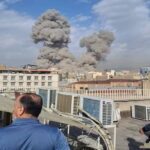
Airports across the UAE, including Dubai and Abu Dhabi, temporarily halted operations. Key transit centers like Dubai International Airport and airports in Doha faced shutdowns or severe restrictions. Earlier, Iran’s retaliatory strikes reportedly damaged Dubai International Airport and affected airports in Abu Dhabi and Kuwait.
Dubai and Doha serve as vital east–west transit hubs. Airlines rely on these airports to connect Europe and Asia through tightly scheduled networks. When these hubs stopped operating, aircraft and crews became stranded. Consequently, airlines struggled to reposition planes and staff. This disruption quickly spread across global schedules. Passengers worldwide faced uncertainty and extended delays.
Global Aviation Faces Pressure
Aviation analyst John Strickland highlighted the scale of the crisis. He said the sheer number of travelers and the complexity of airline networks create serious challenges. Airlines must now manage rerouting, refunds, and stranded passengers.
Meanwhile, governments continue to monitor the security situation closely. Authorities may extend closures if tensions escalate further. For now, the Iran Israel Airspace Closure continues to impact global travel and the aviation industry at large.