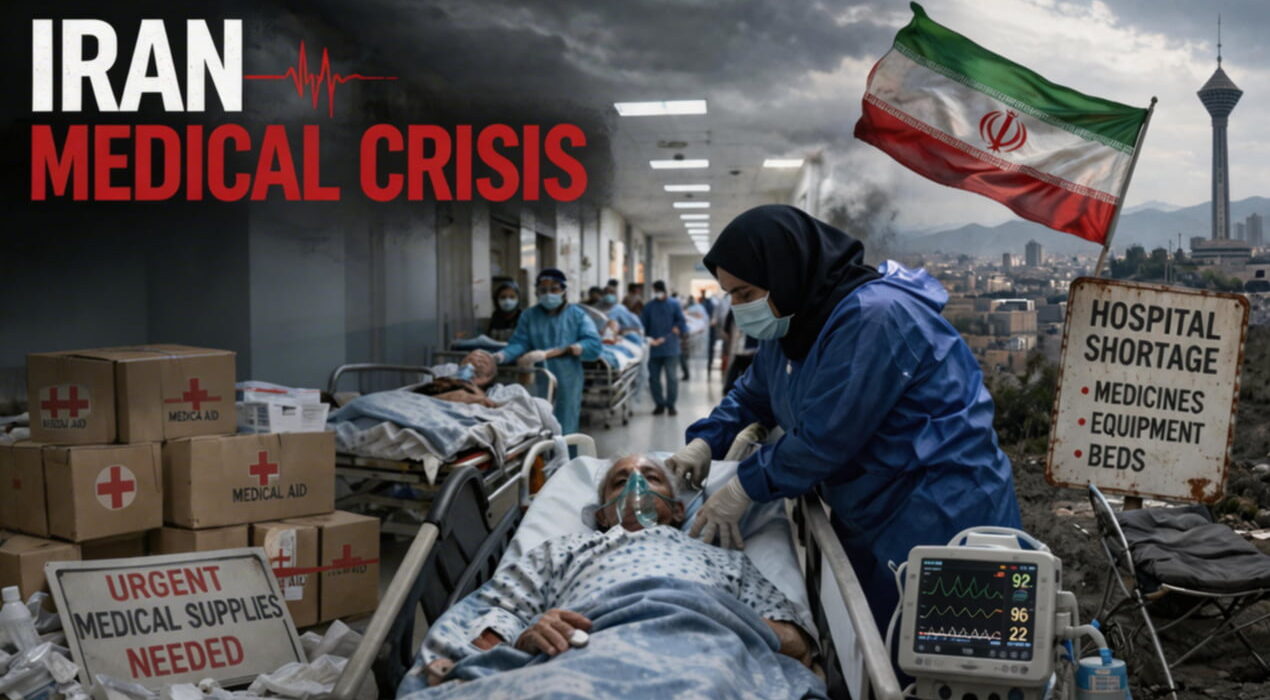
Iran Medical Crisis Worsens as Aid and Supplies Face Shortage
Emergency medical needs in Iran are rising fast as conflict continues across the country. The Iran medical crisis is deepening with growing pressure on hospitals and responders. As a result, concerns about limited trauma kits and vital equipment are increasing every day.
The International Federation of Red Cross and Red Crescent Societies has warned that supplies could run low if fighting continues. In addition, rising costs and funding gaps make the situation harder to manage. Therefore, urgent global attention is needed to prevent further strain on healthcare systems.
Rising casualties and growing pressure
More than 1,900 people have died since airstrikes began on February 28. Meanwhile, over 21,000 people have been injured, according to humanitarian officials. These numbers continue to rise, placing extreme pressure on hospitals and emergency teams.
Aid workers also face serious risks while performing their duties. For example, three Red Cross staff members have died during operations. One worker lost their life in an airstrike that hit a medical clinic in Zanjan province.
Fear, disruption, and limited access
At the same time, fear keeps many people indoors and away from help. Streets remain empty as residents worry about ongoing bombings and uncertainty. As a result, access to urgent care becomes more difficult for those in need.
Daily operations also face constant disruption due to power and internet outages. Workers often write reports by hand and stay on standby for emergencies. In addition, evacuation alarms interrupt work several times a day, slowing response efforts.
Urgent need for global support
Supply chains remain unstable due to transport challenges and regional tensions. For instance, key routes remain blocked, delaying essential deliveries into the country. Therefore, aid groups now plan alternative routes, though these will take time.
The Iran medical crisis will worsen without stronger international support. Funding remains critically low, and resources are not unlimited. In conclusion, fast and coordinated action can help protect lives and sustain emergency response efforts.