Iran Weather System Alert: Pakistan Tests Rainwater Over Possible Health Risks
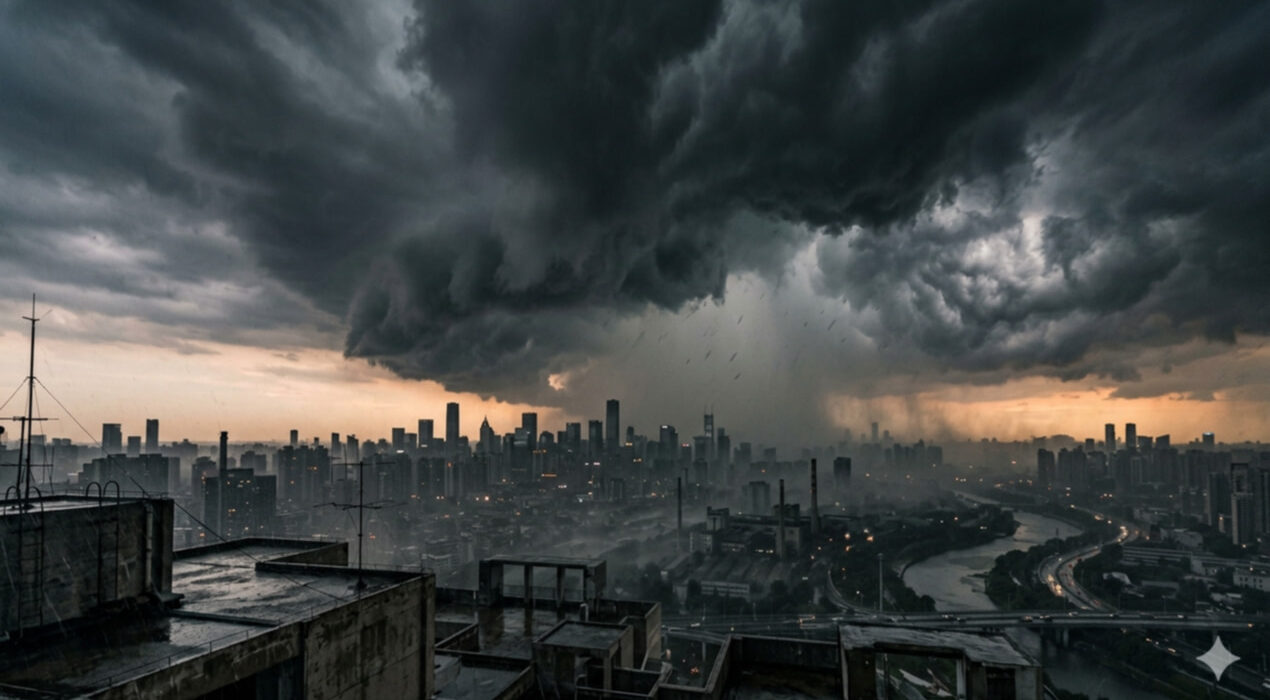
Pakistan has issued an alert after a weather system moving from Iran raised concerns about rainwater pollution risk. The Meteorological Department asked regional centers to monitor rainfall carefully. Officials fear the system could carry pollutants through wind or dust particles. Therefore, authorities want to examine rainwater closely. Early testing helps protect public health and the environment.
Experts say polluted rainfall can sometimes contain harmful particles. These may affect breathing or skin health in sensitive individuals. However, officials stressed that no confirmed health danger has appeared so far. Authorities launched monitoring as a precaution. This step allows scientists to detect any possible contamination early.
Monitoring Rainwater for Public Health
The Meteorological Department instructed observatories across the country to collect rainwater samples during rainfall. Teams must follow emergency procedures while collecting these samples. Each sample must include the date and exact collection time. Accurate records help scientists trace pollution sources if needed. As a result, testing becomes more reliable.
For example, wind systems can transport industrial dust or environmental pollutants across borders. Rainfall may then bring those particles to the ground. Therefore, scientists examine rainwater during unusual weather conditions. This monitoring helps identify any environmental health risks quickly.
Laboratory Testing and Health Protection
All collected samples will go to the Research and Development Division of the Meteorological Department. Scientists will analyze them in controlled laboratories. Researchers will check for chemical pollutants or harmful particles. If contamination appears, authorities can issue health guidance immediately.
In addition, experts may advise vulnerable groups to take precautions. Children, older adults, and people with breathing conditions may need extra care. Officials say the goal is prevention. Early monitoring helps protect communities from possible environmental health threats while keeping the public informed.