Iraq Resumes Flight Operations from April 8 After Airspace Reopening
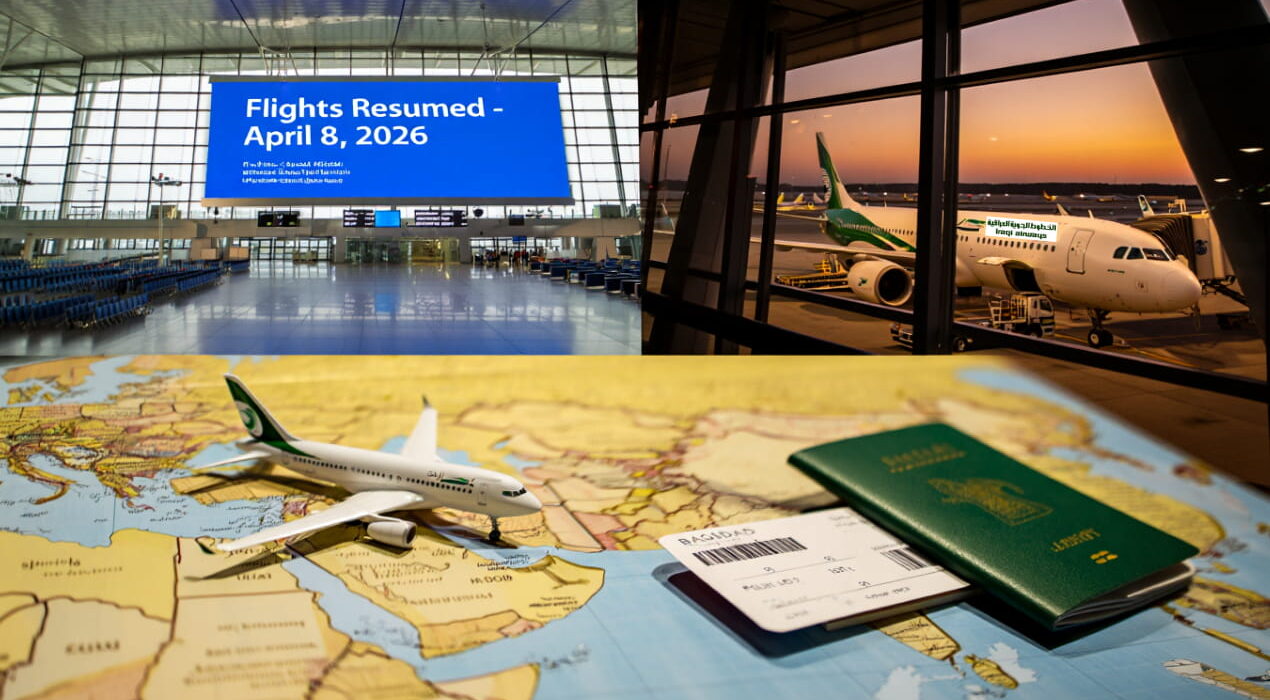
Iraq has officially resumed flight operations from April 8, 2026. Authorities reopened the country’s airspace after a period of closure. Airlines can now restart their scheduled services. The decision brings relief to travelers and the aviation industry.
The airspace closure followed recent regional tensions. Several airlines had suspended flights to and from Iraq. Passengers faced cancellations and delays. The resumption marks a return to normalcy.
Key Airports and Airlines Resume Services
All major international airports in Iraq are now operational. Baghdad International Airport leads the restart. Basra, Erbil, and Sulaymaniyah airports have also resumed full operations. National carrier Iraqi Airways has reinstated its flight schedule.
Several international airlines are following suit. Middle Eastern carriers are resuming routes to Iraqi cities. European and Asian airlines are also returning. Travelers should check with their airlines for updated schedules.
Impact on Travelers and Tourism
The resumption brings good news for travelers. Passengers can now book flights with confidence. Business travelers and tourists will benefit the most. Family visits and religious tourism will also see a boost.
Iraq is home to important religious sites. Najaf and Karbala attract millions of pilgrims each year. The flight resumption will facilitate these journeys. The tourism sector welcomes this positive development.
Authorities Ensure Safety Measures
Iraqi aviation authorities have implemented strict safety protocols. Airspace monitoring systems are fully active. Coordination with neighboring countries ensures smooth operations. Airlines have confirmed their commitment to passenger safety.
Officials urge travelers to arrive early at airports. Passengers should verify flight status before departure. The situation remains stable, but vigilance is advised.
With flights now operational, Iraq reconnects with global travel networks. The resumption supports economic recovery and regional connectivity.