Japan to End Face-to-Face Immigration Checks for Tourists by 2028
Japan is planning a major change for tourists. The government wants to end face-to-face immigration checks for most visitors. This move aims to simplify entry procedures. It will also help manage the growing number of international travelers.
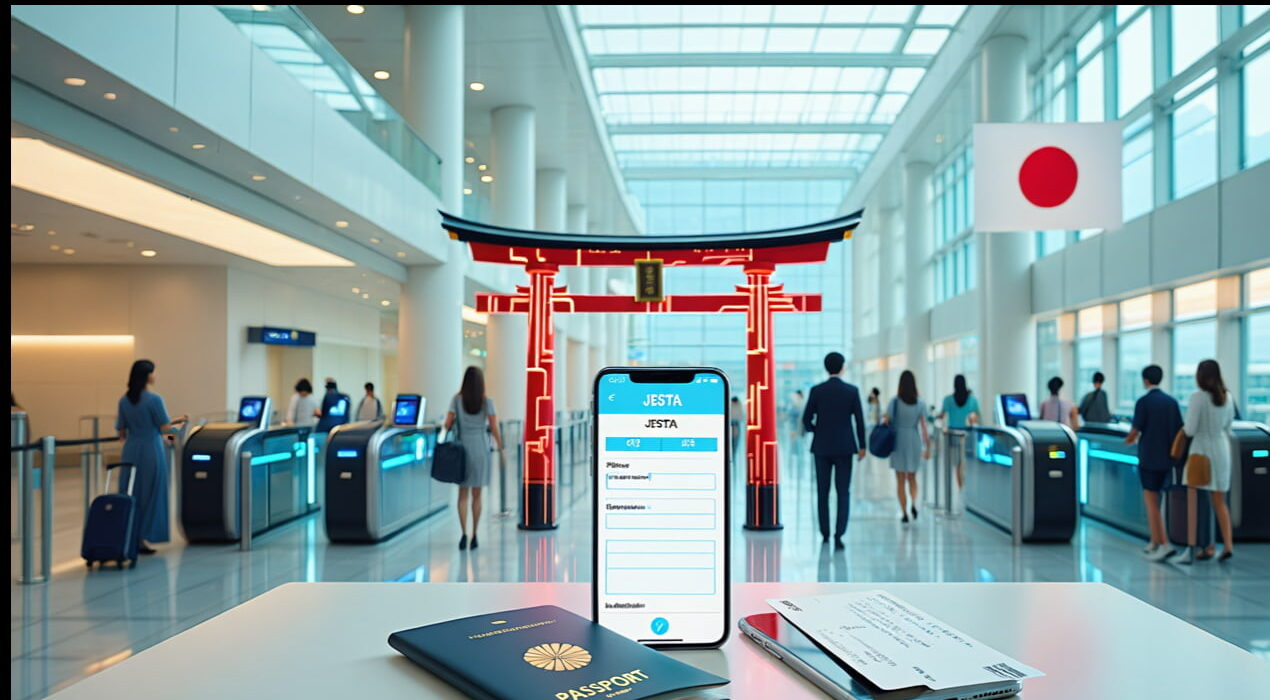
Officials want to ease severe airport congestion. Therefore, they propose a new online system. It is called the Japan Electronic System for Travel Authorization (JESTA). They plan to launch it in the fiscal year 2028. To introduce it, the government will amend the current immigration law.
The New Digital Entry
The new paperless process will apply to many tourists. Currently, visitors from 74 countries do not need a short-term visa. Japan welcomed a record 42.7 million foreign visitors in 2025. The country aims to increase that number to 60 million by 2030.
Under the JESTA system, travelers must submit trip details online before departure. Immigration authorities will then review the information. They will decide whether to approve entry before you fly. For example, they may deny boarding to anyone suspected of planning to overstay.
If no issues are detected, you will use an automated gate. You will simply walk through without a face-to-face check. However, immigration officers will remain nearby. They may conduct in-person interviews if they see suspicious activity. Removing in-person checks is an uncommon practice globally. Yet, Japan believes it is necessary for the future.
Technology Already in Use
Some Japanese airports already use digital systems. Travelers at Narita, Haneda, Kansai, and Fukuoka use the Integrated Kiosk. This kiosk collects fingerprints and photographs. It processes both immigration and customs procedures. Authorities plan to expand this system to more airports soon. These changes show how Japan is adapting. The goal is to balance tourism growth with security. It could make travel smoother for millions of future visitors.