Karachi Urban Growth: How Cities Are Shaping the Future
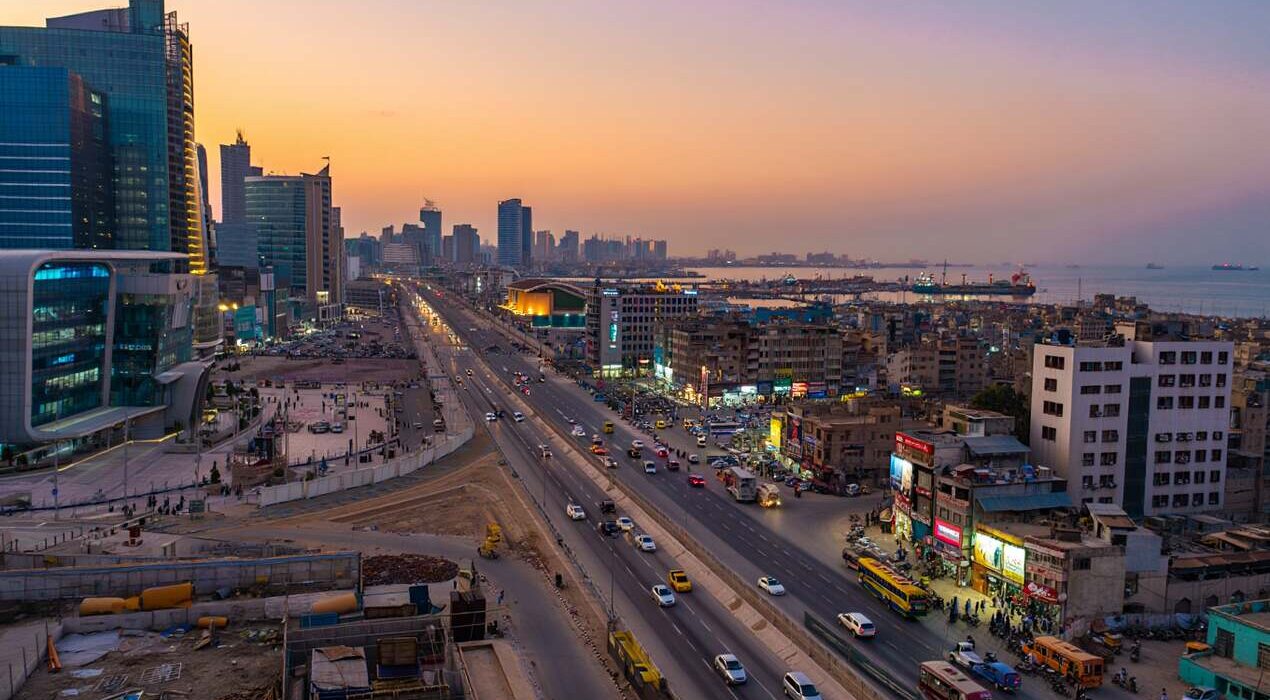
Karachi urban growth continues to attract global attention. The city is set to rise among the world’s largest by 2030. In addition, experts expect its population to reach almost 33 million by 2050, placing it ahead of several major cities.
Shifting Ranks Among Global Megacities
The United Nations reports that Karachi may climb to fifth place by mid-century. This rise could place it ahead of Cairo, Tokyo, Guangzhou, Manila and Kolkata. As a result, the city will play an even stronger role in global development.
Dhaka also shows rapid expansion and may become the world’s biggest city by 2050. Tokyo, however, will likely fall from third place to seventh due to a shrinking population. These changes highlight how cities grow and shift over time.
Megacities have increased from eight in 1975 to 33 in 2025. Projections suggest there will be 37 by 2050, with Asia hosting most of them. Many communities now choose cities for better access to opportunities and services.
Global Trends in Population and Density
City living has grown steadily for decades. In 1950, only 20 per cent of people lived in cities. Today, almost half of the world’s population calls a city home. Therefore, urban life has become a common experience for many.
Not every city is growing, though. More than 3,000 cities experienced population decline between 2015 and 2025. Even so, several places remain extremely dense. Karachi, for example, holds roughly 25,000 people per square kilometre.
The rural population is expected to peak in the 2040s and then decline gradually. India and China will continue to lead in town-based populations through 2050. From 2000 to 2025, global city populations grew by 1.25 billion, with five countries contributing over 500 million people.