Kashmir’s Silent Crisis: A Look Inside its Mental Health Emergency
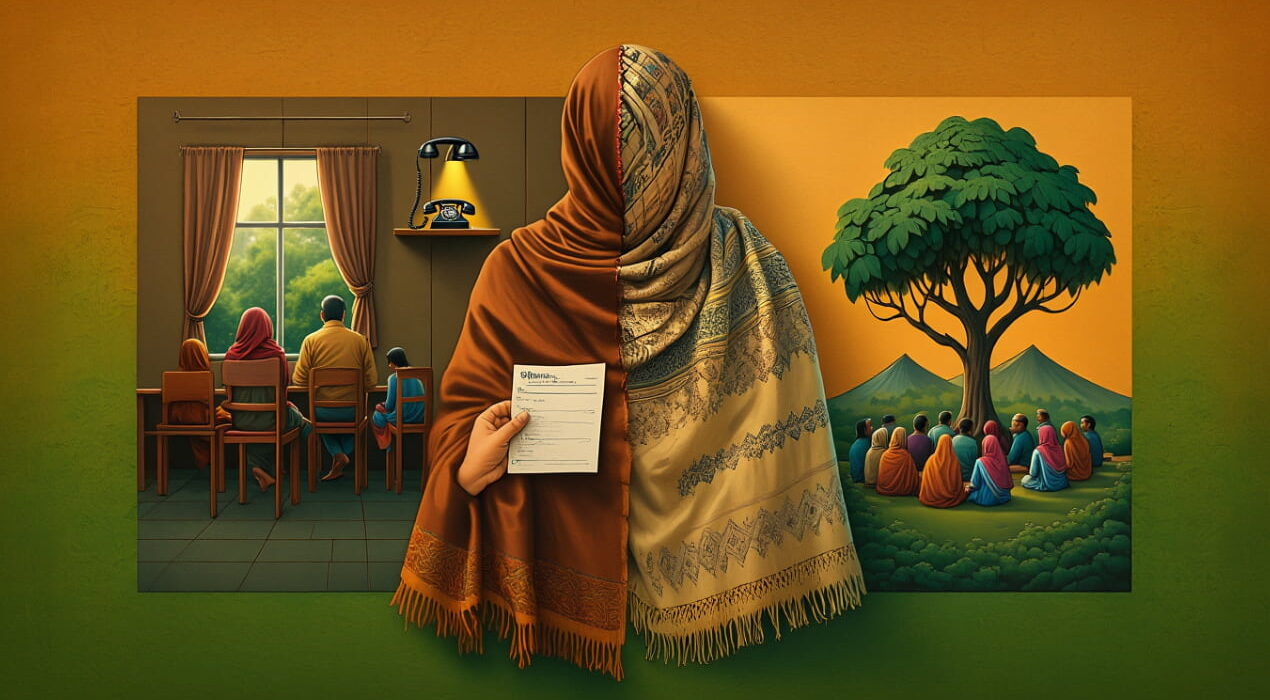
The waiting rooms of Kashmir’s few mental health clinics tell a silent story. They are filled with individuals carrying invisible burdens of anxiety, depression, and profound intergenerational trauma. As life outside appears calm after years of conflict, inside these rooms, decades of unprocessed psychological wounds continue to shape daily existence for millions.
The statistics reveal the scale of the crisis. The region, with a population of 12.5 million, has only 45 specialized psychiatrists. This is far below the World Health Organization’s minimum standard. Patient loads have skyrocketed, with one major institute alone examining over 203,000 outpatients in 2024. The human cost is stark: Jammu and Kashmir recorded the highest number of attempted suicides in India in 2022.
A Helpline as a Lifeline
With in-person care so scarce, many turn to the Tele MANAS mental health helpline. The service receives nearly 150 distress calls daily from across the Valley—the highest rate relative to population in the country. Counselors handle calls from students with paralyzing exam panic, adults with severe anxiety, and individuals in moments of deep crisis.
“A phone call can help someone survive a moment,” says Dr. Muhammad Abrar Guroo, a senior consultant with the helpline. “But healing is a long process.” The helpline offers a critical stopgap, providing immediate counseling and grounding techniques when waiting for a clinic appointment is not an option.
The Weight of “Quiet” Trauma
Veteran psychiatrist Dr. Mushtaq Margoob, who has worked in Kashmir for decades, explains the enduring nature of the trauma. “The trauma isn’t visible because no fighting is happening openly… There is a silent burden that shapes daily life, even when the streets appear quiet.”
The stories in the waiting room are testaments to this. An elder man has brought his 40-year-old son for treatment for eight years; the son, a husband and father, often cannot leave his bed. A young woman in her twenties grapples with spiraling sadness and fragmented memory. A widow in her sixties begins forgetting daily routines after losing her husband and son years apart.
Community Care and a Legislative Response
Healing such deep-seated, collective trauma requires solutions beyond clinical walls. Community-based initiatives, like the Social Welfare and Awareness Bureau (Sawab), work through local mosques and spiritual networks to support reintegration and provide emergency psychosocial aid during events like avalanches or floods.
There is also a push for systemic, policy-level change. The proposed Jammu and Kashmir Reconciliation, Trauma Healing, and Dignity Bill, 2026 seeks to formally acknowledge the decades of psychological harm. It aims to link trauma care to the constitutional right to life with dignity, viewing mental health rehabilitation as a fundamental step toward lasting peace.
In the clinics, hope persists quietly alongside the pain. As evening comes, patients leave with prescriptions, small tokens of a long journey toward recovery. Their presence in the waiting room is a powerful reminder that while the streets may be quiet, the mind remembers, and the need for healing endures.