LITT and Immunotherapy Show Hope in Recurrent Brain Cancer
Recurrent high-grade astrocytomas are among the hardest brain cancers to treat. Even with surgery, radiation, and chemotherapy, options are limited when the disease returns. Survival rates remain very low, making new therapies urgently needed. Researchers at Keck Medicine of USC tested a combination of laser interstitial thermal therapy (LITT) and pembrolizumab. This could finally give patients a real fighting chance.
How the therapy works
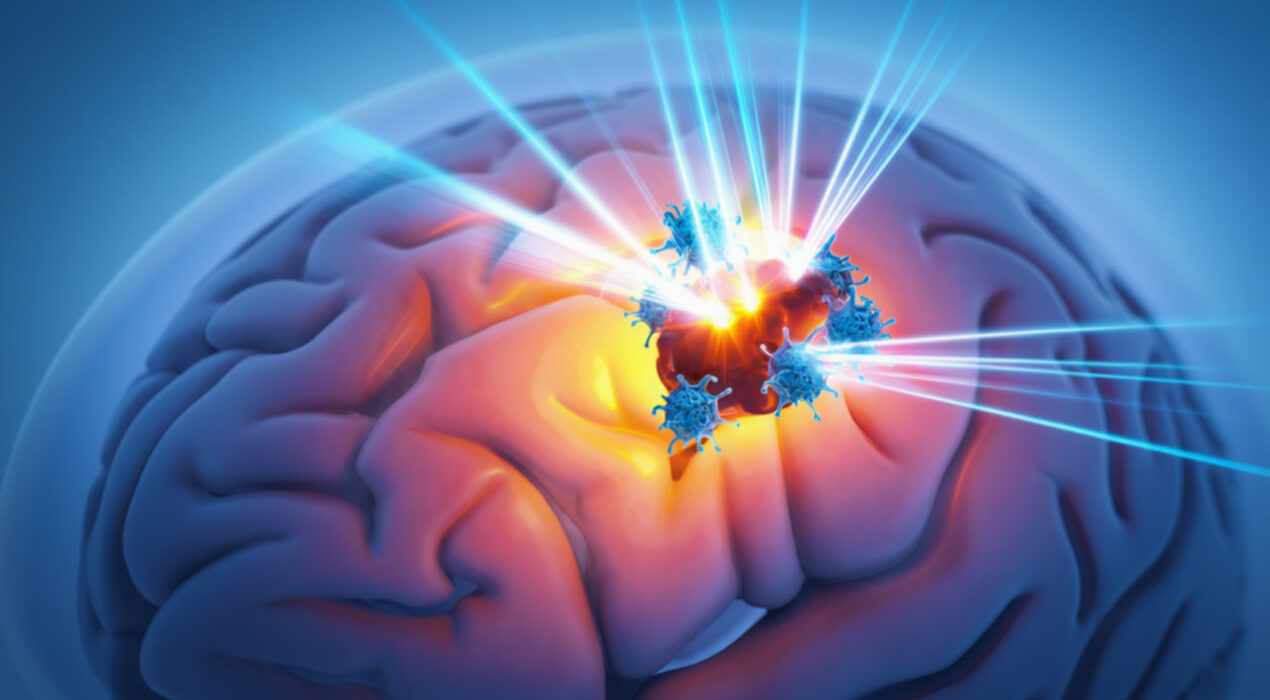
LITT is a minimally invasive surgery that uses a laser to shrink tumors. It also disrupts the blood-brain barrier for several weeks. This allows immune cells, activated by pembrolizumab, to reach the tumor. Meanwhile, pembrolizumab stimulates T cells to attack cancer. Together, the two treatments create a powerful anti-tumor response. LITT also activates non-classical monocytes, while pembrolizumab multiplies CD8⁺ T cells for long-term memory.
Trial Results
The trial enrolled 45 patients with advanced recurrent astrocytoma. Almost half of those receiving LITT plus pembrolizumab were alive 18 months later. In contrast, patients who had standard surgery plus pembrolizumab did not reach 18 months. Remarkably, about one in three patients lived beyond three years. Typically, survival after recurrence is just four to five months. This represents a huge leap in outcomes for these patients.
Implications for Patients
David Tran, MD, PhD, chief of neuro-oncology, said the results provide new hope. Patients with recurrent high-grade astrocytoma have few options. The combination of LITT and immunotherapy may extend survival and improve quality of life. While larger trials are needed, this approach could redefine treatment for advanced brain cancer.