Lost Bronze Age Mines in Spain Rewrite Ancient History
Archaeologists have found six previously unknown Bronze Age mines in Spain. The discovery happened during a survey in February 2026. The team came from the University of Gothenburg. They worked in Extremadura, a region in southwestern Spain. The mines contain copper, lead, and silver. These metals were essential for Bronze Age economies.
Tools Tell the Story
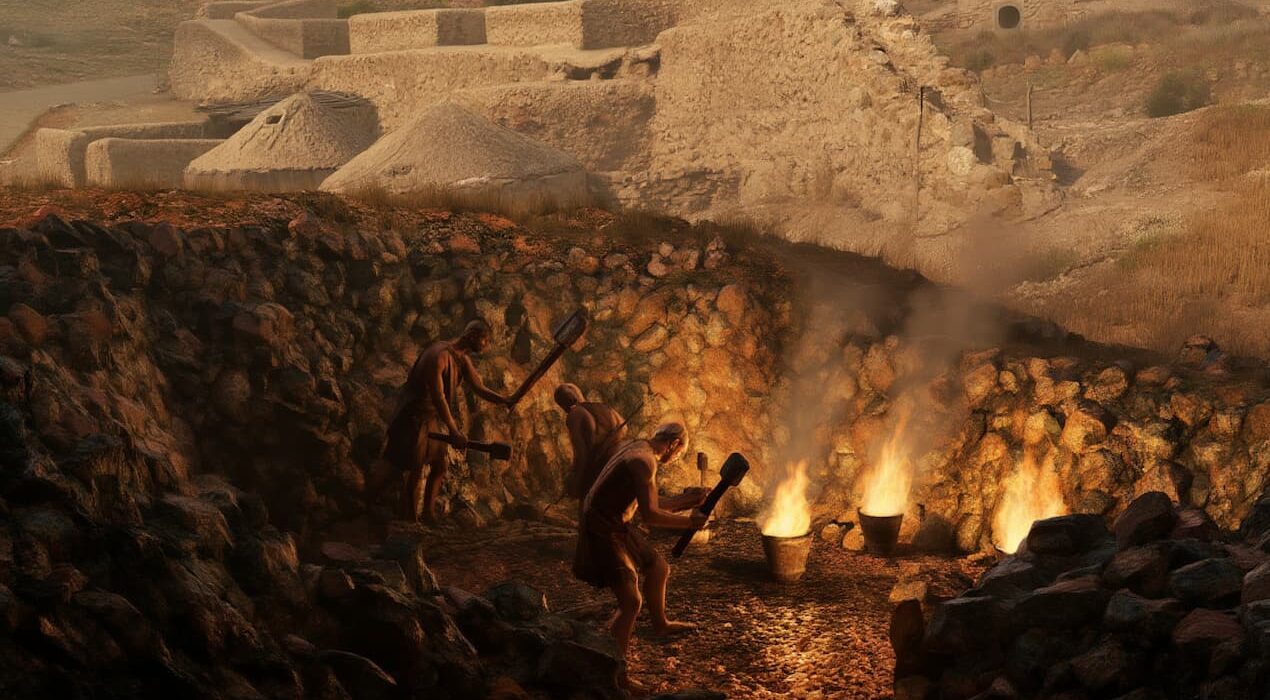
At one site, researchers uncovered about 80 grooved stone axes. Workers used these tools to crush and process ore. The site ranges from small extraction zones to large, complex mining areas. The scale shows intensive, organized work. Therefore, metal production was likely a major activity.
A Connected Europe
Professor Johan Ling leads the research. He says these finds change what we know about ancient Europe. “Europe was already deeply interconnected 3,000 years ago,” he explains. Earlier studies used lead isotope analysis. They linked Scandinavian Bronze Age artifacts to metals from southwestern Spain. Now, the actual mines confirm those connections.
Transforming History
Over the past ten years, researchers have documented about 20 Bronze Age mines in the region. This latest discovery adds six more. Together, they reveal a vast metal trade network. The findings help explain how raw materials moved across continents. As a result, we now see Bronze Age societies as more global than once thought.