Microsoft Project Silica Glass Storage Could Change Archives Forever
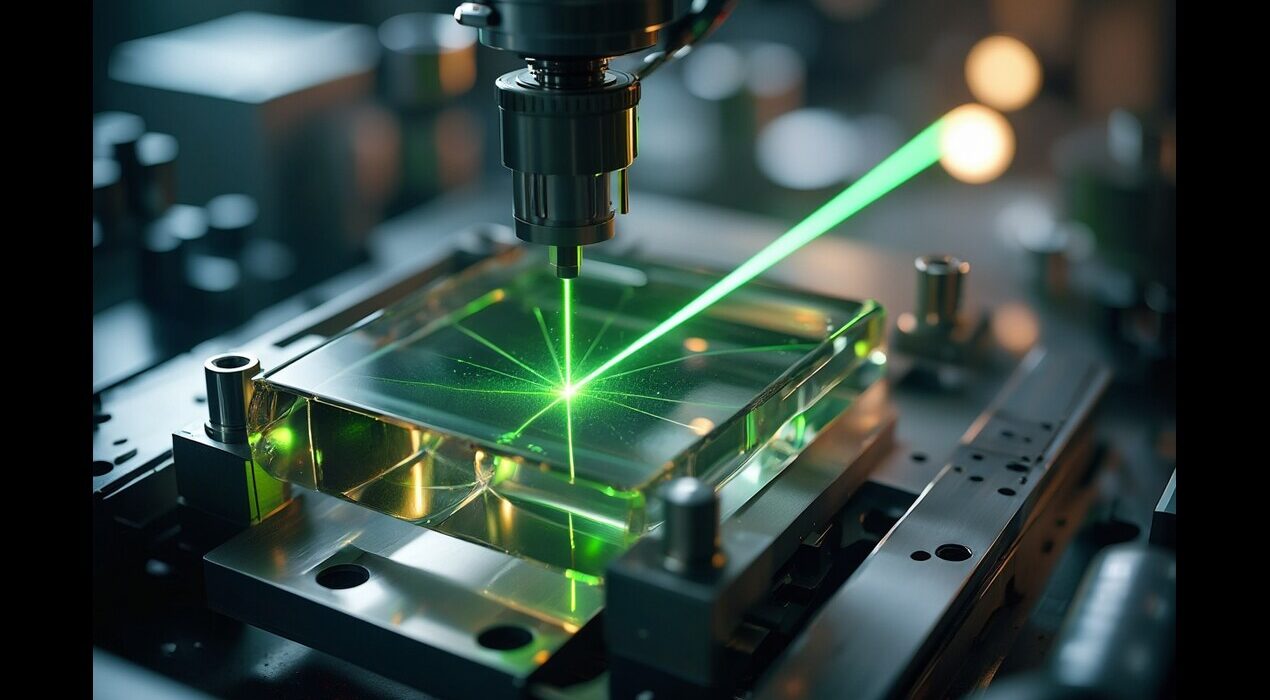
Microsoft has introduced Project Silica glass storage, a bold step in long-term digital preservation. This new system stores information inside solid quartz plates. As a result, data could last up to 10,000 years without decay. Traditional drives fail over time. For example, magnetic tapes often degrade within a decade. However, this innovation avoids that cycle completely. Instead of saving files on a surface, engineers use a femtosecond laser. The laser creates tiny 3D marks, called voxels, within the material. Therefore, the information sits safely inside the glass, not on top of it. Each plate is small and durable. In fact, one coaster-sized piece can hold 4.84 terabytes. That equals nearly two million printed books.
Why This Technology Matters
Durability sets this system apart. The quartz survives heat up to 290°C. In addition, it resists water, scratches, and electromagnetic pulses. A microscope reads the encoded patterns. Then, artificial intelligence converts them back into usable files. As a result, retrieval stays accurate and efficient. This solution targets cloud providers and national archives. It does not aim at everyday home users. However, it could protect humanity’s shared knowledge for generations. Digital content grows every day. Therefore, long-term preservation matters more than ever. If scaled successfully, this breakthrough may redefine how societies protect history. Project Silica glass storage shows how innovation can support everyone. It focuses on durability, accessibility, and sustainability. That approach could reshape the future of digital archiving.