Middle East War Reshapes Tourism as Russians Flock to Türkiye, Bulgaria Braces for Impact
The ongoing Middle East conflict is reshaping tourism patterns across the region. Russian tourists are shifting away from Gulf countries. Instead, they are flocking to Türkiye as their primary destination. Meanwhile, Bulgaria is bracing for potential losses, particularly from Israeli visitors.
The war began after the U.S. and Israel launched a joint offensive on Iran on February 28. Regional escalation has since disrupted travel flows across the Middle East. Iran has responded with drone and missile strikes targeting several countries. Safety concerns are now driving significant changes in tourist behavior.
Russians Flock to Türkiye as Gulf Travel Collapses
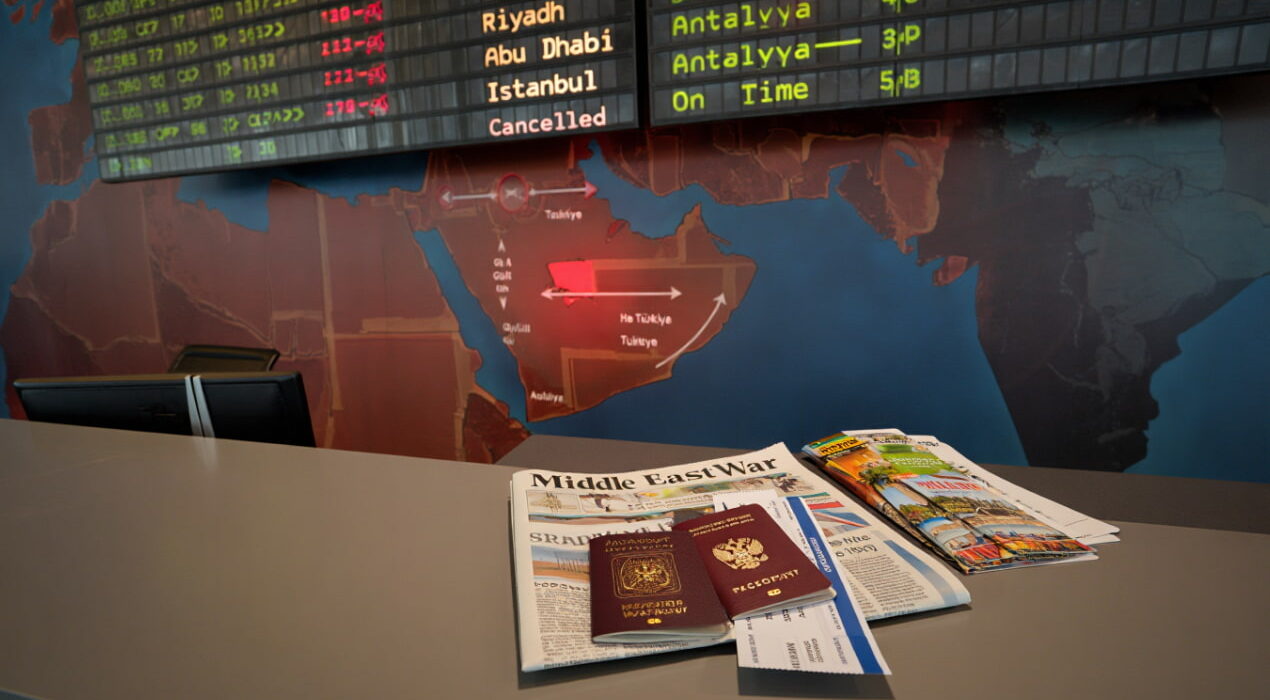
Travel demand to Persian Gulf countries has collapsed. Cancellations now affect nearly all March departures. The slowdown extends into April as well. The United Arab Emirates, Qatar, Bahrain, Oman, and Saudi Arabia are all impacted.
Russian travelers are now choosing alternative destinations. Türkiye, Egypt, and Thailand are the top options. Türkiye stands out as a leading choice for many. The shift follows growing safety concerns in the Gulf region.
The Association of Tour Operators (ATOR) reports that cancellations have spread quickly. Nearly all March departures to Gulf destinations are now cancelled. Instead of waiting for refunds, many travelers are switching destinations. Around 15% of canceled trips have already been rebooked. Some operators expect to redirect as much as 80% of affected bookings.
Türkiye remains a top choice for Russian visitors. In 2025, Russians accounted for 13% of all foreign arrivals. That represented 6.9 million tourists. In the first two months of 2026, Russians ranked second with 392,000 arrivals.
Bulgaria Braces for Impact
The conflict could also affect Bulgaria’s tourism sector. The upcoming summer season is a particular concern. Tourism economist Mariana Yaneva warned about potential declines. Key foreign markets, especially Israeli tourists, may drop significantly. Hotels and tour operators serving these markets will feel the impact most.
Yaneva called for coordinated government action. Bulgaria should promote itself as a safe, year-round destination. She also emphasized the importance of domestic tourism. Holiday vouchers or tax breaks could help, similar to measures in other European countries.
European tourists traveling by land could partially offset losses. Price increases should remain around 10% despite rising fuel costs. Yaneva stressed the importance of licensed tour operators. Travelers should use registered professionals for international trips.
Long-Term Opportunities
Despite the immediate challenges, Yaneva sees long-term opportunities. The crisis could help rebrand Bulgaria as a four-season health and wellness destination. Niche tourism beyond the summer season could support more sustainable growth. She called for immediate European marketing campaigns promoting Bulgaria as a safe destination.
For Türkiye, the shift represents a significant opportunity. The country’s tourism sector is absorbing travelers who previously chose Gulf destinations. As the conflict continues, these patterns may solidify. Both countries are adapting to a new tourism landscape shaped by regional instability.