Moon’s Deepest Scar Still Glows — Clues to Fiery Birth Revealed
A Scar That Still Glows
The Moon bears a giant scar called the South Pole-Aitken basin. It spans thousands of miles. Yet parts of it still glow with hints of its violent birth.That glowing comes from radioactive materials blended with magma. These elements reflect heat and tell a dramatic story. Therefore, scientists see the basin as a time capsule.
Revising the Impact Story
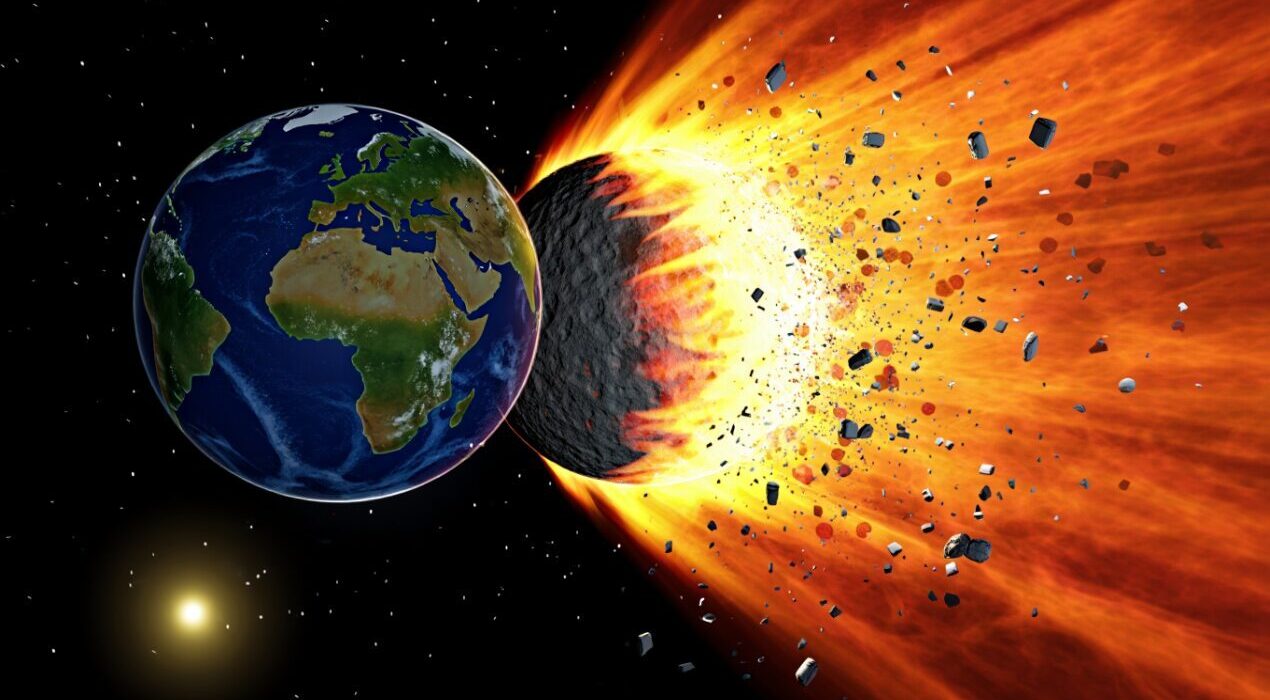
Researchers now argue that a huge asteroid struck from the north. Earlier ideas claimed a southern strike. This new view changes our understanding of the Moon’s early years.
The crater’s shape supports this twist. It grows narrower toward its southern rim. As a result, the deep interior materials likely piled up in the south.
In addition, the glowing side carries rich deposits of potassium, rare earths, and phosphorus. Scientists refer to this mix as “KREEP.” Its placement may reveal how the Moon’s interior mixed and cooled.
What That Means for the Moon
This new theory ties into old mysteries. For example, volcanoes erupted more on the near side of the Moon. The presence of KREEP there might explain that.
Also, the Moon’s two faces look very different. One side is thick and rugged. The other is thinner and smoother. This contrast puzzles scientists.
If the asteroid’s direction was northward, then deep materials should lie on the south rim. That zone may shine brightest now.
Future missions like Artemis will land near that rim. They may dig up the most revealing samples. As a result, we may finally read the Moon’s molten past.