Morocco Launches “Stay Cashless” Initiative to Transform Tourism Payments
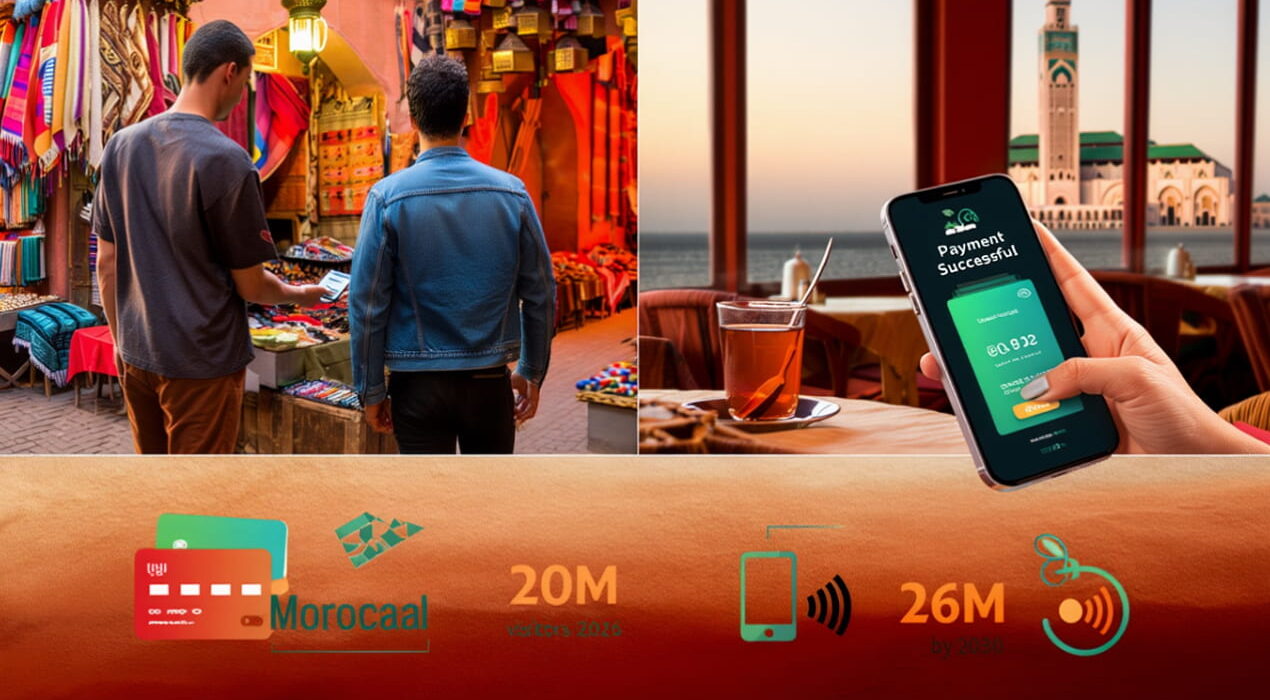
Morocco is making a bold move toward a cashless future. The country has launched the “Stay Cashless” initiative to modernize its tourism sector. The goal is to offer seamless, secure, and efficient payment solutions for global visitors.
The Ministry of Tourism partnered with Attijariwafa Bank and Visa for this transformation. The program was officially signed in Rabat. It aims to accelerate digital payment adoption across the tourism sector.
Morocco welcomed nearly 20 million visitors in 2025. This exceeds expectations set for 2026. However, outdated payment methods have created friction and limited economic growth.
The Challenge of Cash Reliance
Current data reveals a significant infrastructure gap. Bank Al-Maghrib’s 2024 data shows over 60 percent of card payments were ATM withdrawals. Currency in circulation reached MAD 444.3 billion, about 26 percent of GDP.
Only 94,387 POS terminals operate nationwide. These are concentrated mainly in large cities like Casablanca, Rabat, and Marrakech. Smaller tourist destinations like Agadir and Fez lack adequate access.
This creates an uneven experience for visitors. Tourists face frustration when cards are refused or surcharges applied. Many merchants impose minimum amounts or add illegal fees for card payments.
What “Stay Cashless” Offers
The initiative provides several key features for businesses and tourists. Reduced international transaction fees will benefit both merchants and visitors. Pay-by-link services and tap-on-phone technology expand payment options.
Dynamic currency conversion tools help travelers understand costs in their own currency. Smaller businesses in tourist areas can now align with international standards. These changes help Morocco maintain its competitive edge.
Visa sees this partnership as crucial for growth. It is not just a technical collaboration but an engine for economic development. Data and innovation will help digitize the entire tourism value chain.
The program also targets small and medium businesses. Training and tools will help them improve services and adapt to traveler expectations.
Preparing for Major Global Events
Morocco has ambitious targets for the coming years. The country aims to welcome 26 million tourists by 2030. It also plans to handle 80 million airport passengers. Major events like the 2030 FIFA World Cup and African Cup of Nations are approaching. These will attract international visitors accustomed to cashless payments. A seamless transaction experience must be ready before they arrive.
The government is investing billions in rail and aviation infrastructure. However, efficient payment systems are equally critical. Infrastructure without modern payments creates an incomplete experience.
Global Context Morocco is part of a worldwide shift away from cash. Europe has introduced anti-money laundering measures restricting large cash payments. Nordic countries now see cash drop below 5 percent of in-store transactions.
In Asia, Alipay and WeChat Pay dominate retail. India’s UPI processes billions of transactions monthly. The Middle East is ahead, with over 90 percent of UAE transactions contactless.
Morocco must catch up to remain competitive. Tourists from these regions expect the same ease they experience at home.
Ongoing Reforms and Remaining Hurdles
Morocco has taken important steps toward payment reform. Since October 2024, interchange fees have been capped at 0.65 percent. The Competition Council dismantled the long-standing quasi-monopoly on acquiring markets. However, mobile payments remain underused. Only 28 percent of mobile wallets were active in 2024. Mobile payments account for just 2 percent of non-cash transactions.
Enforcement remains weak against illegal merchant practices. Some businesses still refuse foreign cards or impose surcharges. High transaction fees for foreign cards deter full adoption. ATM withdrawals are capped at 2,000 MAD per transaction. Foreign exchange markups add 3 to 5 percent to costs. Tourists face repeated trips to ATMs and multiple fees. Cultural factors also play a role. Small merchants fear technology, tax compliance, and financial oversight. The informal economy makes up nearly 30 percent of GDP, creating resistance to digital trails.
A Step in the Right Direction
The “Stay Cashless” initiative addresses these challenges head-on. An action plan will roll out payment terminals across tourist areas. Training for tourism SMEs will build confidence and capability.
Success depends on overcoming entrenched practices. High fees must be addressed and enforcement strengthened. Digital payments must become as ubiquitous as cash.
For European travelers accustomed to seamless payments, Morocco’s current system can be frustrating. The country risks an image of struggling to keep pace with the digital economy. This initiative aims to change that perception. If Morocco succeeds, visitors will enjoy the same ease they experience in Paris, Dubai, and Tokyo. The country will position itself as a truly modern, competitive destination.