Mosquitoes: The World’s Deadliest Animal? West Nile Virus Threat
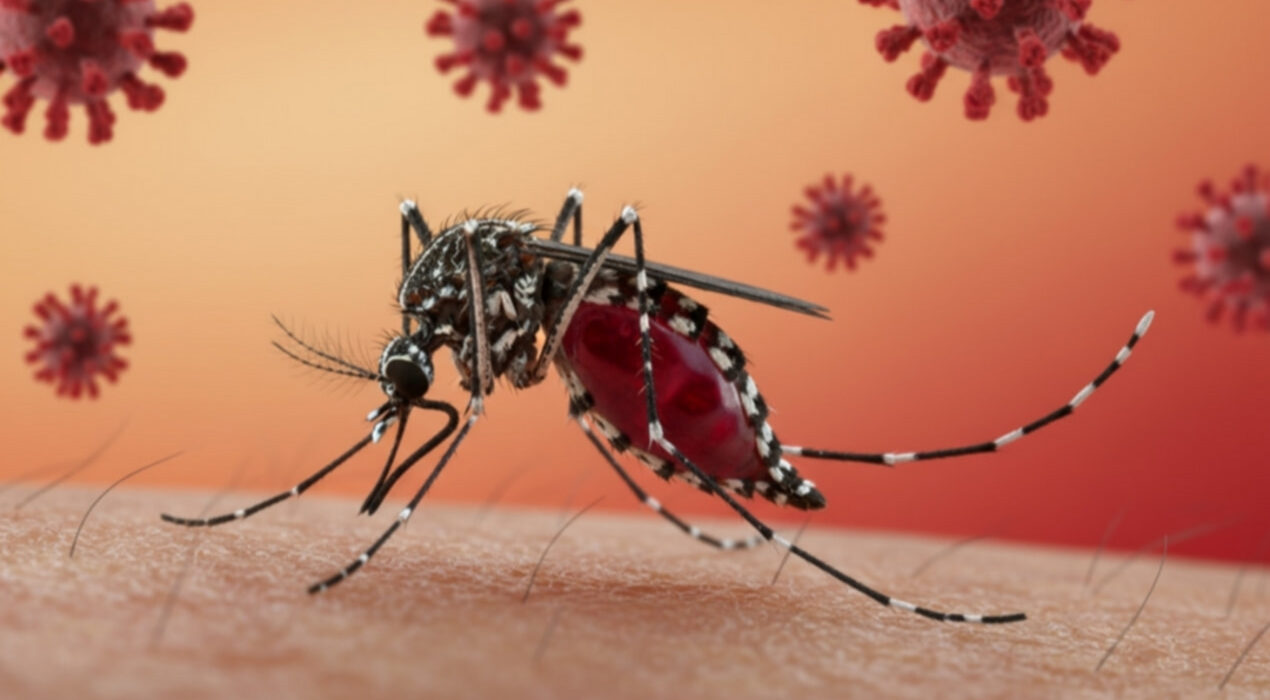
Mosquitoes are considered the most dangerous animals in the world not because of their size, but because of their role as vectors for deadly viruses and parasites, causing hundreds of thousands of human deaths annually. The article highlights that diseases like Malaria, Dengue, Zika virus, and West Nile fever (WNV) are all transmitted through mosquito bites.
David Hancock contracted WNV from a mosquito bite in Arizona, resulting in a sudden fever, severe vomiting, and eventually a coma, multiple heart failures, and brain inflammation. His doctors expected him to die. It took him nine months to walk again, and he remains unable to swallow without help, demonstrating the severe, life-altering trauma these tiny vectors can inflict.
🦟 West Nile Virus Transmission
WNV, which nearly killed David Hancock, is mainly transmitted by native mosquitoes of the genus Culex, which is indigenous to North America and Europe.
Origin and Spread: WNV originated in Uganda and was brought to Europe and the US by migratory birds.
Vector Role: A Culex pipiens mosquito bites an infected bird, the virus replicates inside the insect, and the mosquito then transmits the virus to another animal or a human when it takes its next blood meal.
Impact: While many infections are asymptomatic, an average of 1,300 people in the US fall seriously ill with WNV every year, with approximately 130 of them dying.
🌡️ The Threat of Climate Change
Climate change is exacerbating the risk of mosquito-borne diseases by creating better conditions for these insects and the viruses they carry to thrive in new, northern regions.
Migration of Vectors: Warmer climates allow tropical species, like the Aedes mosquito (a potent carrier of Dengue, Yellow Fever, and Zika), to migrate and establish themselves in areas where they were previously uncommon, such as migrating from Southern California to San Francisco.
Researcher’s Warning: Bob Hancock, a mosquito researcher and David’s brother, notes that there is no reason to believe that the mosquitoes will migrate without the diseases they carry, meaning new regions will increasingly face these severe public health threats.