Mumbai Wingtip Incident Triggers Safety Review After Airport Runway Contact
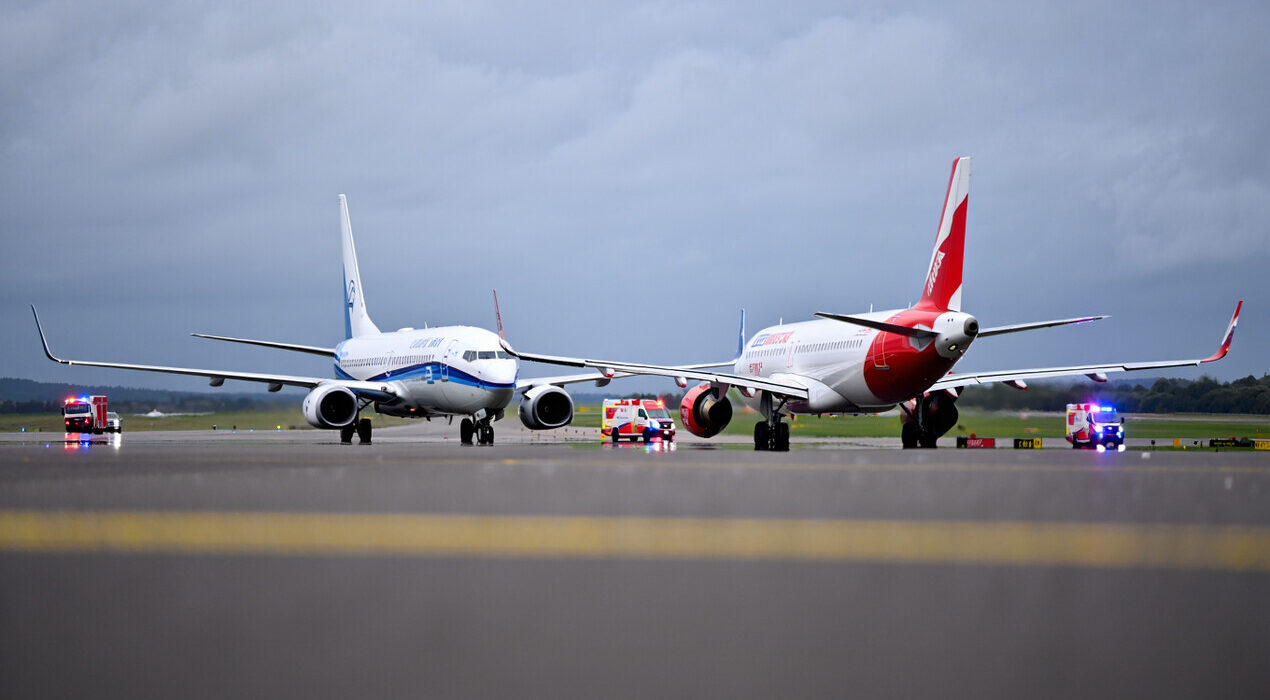
The Mumbai wingtip incident shocked passengers at the city’s main airport. Two aircraft touched wingtips during runway movement. As a result, authorities ordered an immediate evacuation.
Mumbai Wingtip Incident Raises Safety Concerns
Officials confirmed that no one suffered injuries. However, the moment caused fear among travelers. Therefore, airport teams acted quickly to secure the area. India’s aviation regulator launched a formal investigation. The Directorate General of Civil Aviation started reviewing flight records and crew reports. In addition, experts began checking ground control procedures.
An Air India plane waited for departure. Meanwhile, an IndiGo aircraft taxied after landing. During this movement, the wings briefly scraped each other. The regulator confirmed the contact in a public statement. It said both aircraft remained stable. However, safety rules required further inspection.
Investigation and Passenger Response
Both airlines reassured travelers about their safety. Crew members guided passengers calmly. As a result, the evacuation remained orderly. Emergency staff reached the scene within minutes. They inspected the runway and aircraft. In addition, engineers checked for hidden damage. The two Airbus A320 planes now remain grounded. Technicians will examine every part carefully. Therefore, flights using those planes may face delays. Aviation experts stress the importance of strict ground coordination.
For example, clear signals and proper spacing prevent such events. Strong communication also reduces risk. Passengers praised staff for their quick response. Many shared relief on social media. Meanwhile, airlines promised full cooperation with regulators. Authorities aim to improve safety systems. They will review taxi routes and control tower instructions. As a result, future risks may decrease. The Mumbai wingtip incident highlights the need for constant vigilance. Even small errors can create big concerns. Most importantly, safety remains the top priority.