New Molecular Map Shows Alzheimer’s as Whole-Brain Metabolic Disruption
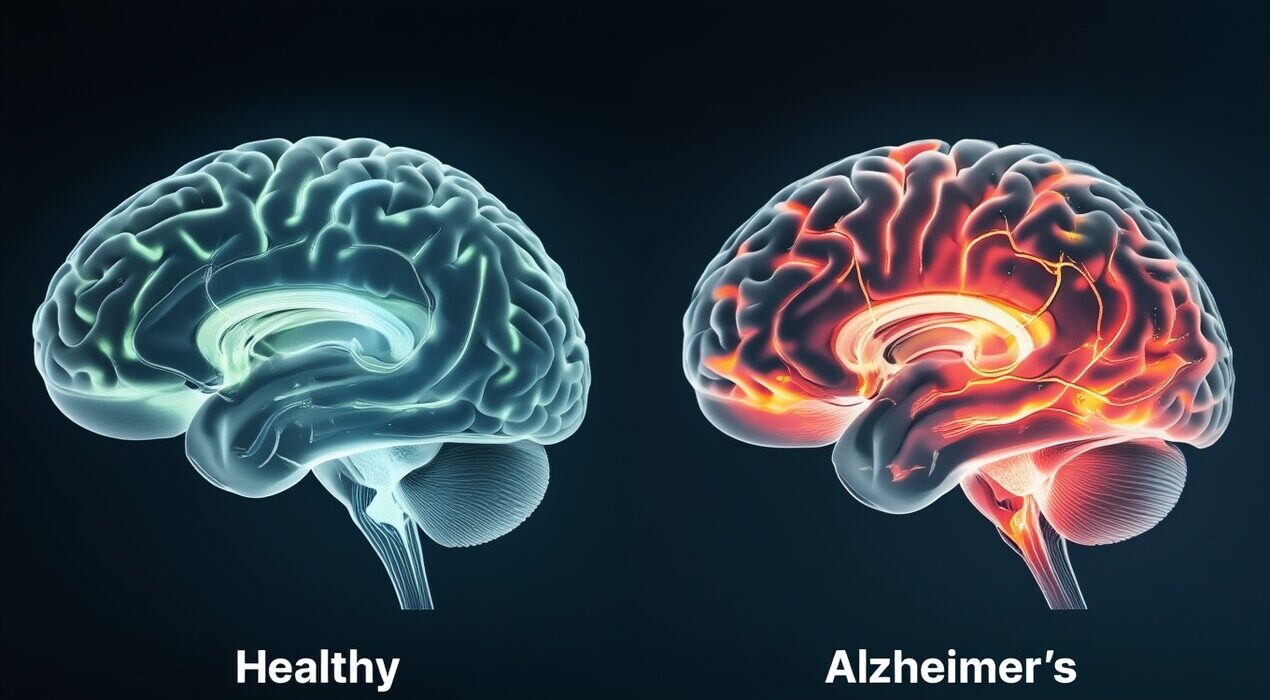
Alzheimer’s disease affects millions worldwide. It claims more lives each year than breast cancer and prostate cancer combined. Therefore, understanding this disease is urgent.Now scientists at Rice University have created something remarkable. They produced the first complete molecular atlas of an Alzheimer’s brain. This map reveals chemical changes never seen before.The findings challenge what we thought about Alzheimer’s. The disease isn’t just about protein plaques. Instead, it involves widespread metabolic disruption throughout the brain.
Laser Technology Reveals Hidden Chemistry
The team used a powerful technique called hyperspectral Raman imaging. A laser scans brain tissue to detect unique chemical fingerprints. Traditional methods only measure one spot at a time.However, this new approach scans entire brain slices. It repeats measurements thousands of times. The result is a detailed chemical map of the whole brain.Best of all, the process uses no dyes or tags. “This means we observed the brain as is,” explains researcher Ziyang Wang. The approach captures an unaltered portrait of brain chemistry.
Machine Learning Spots Uneven Damage
The imaging process generated massive amounts of data. Therefore, researchers turned to machine learning for help.Unsupervised algorithms detected natural patterns in the chemical signals. These patterns appeared without any prior assumptions. Supervised learning then distinguished Alzheimer’s tissue from healthy tissue.The results were striking. Alzheimer’s damage does not spread evenly across the brain. Some regions show strong chemical changes. Others remain relatively unaffected.This uneven pattern explains why symptoms appear gradually. It also reveals why single-target treatments often fail.
Key Memory Regions Show Major Shifts
The study identified broader metabolic differences beyond protein buildup. Cholesterol and glycogen levels varied significantly across regions.The most dramatic contrasts appeared in memory areas. The hippocampus and cortex showed the biggest changes.”Cholesterol maintains brain cell structure,” says Professor Shengxi Huang. “Glycogen serves as a local energy reserve.” Together, these findings support a new view of Alzheimer’s.The disease involves broad disruptions in brain structure and energy balance. It’s not only about protein buildup and misfolding.
What This Means for Future Treatment
The research began with simple discussions about studying Alzheimer’s differently. Early experiments only measured small tissue areas. Then the team wondered: what if we could map the entire brain?After many trials, the complete chemical map finally came together. Patterns emerged that regular imaging could never show.”It felt like revealing a hidden layer of information,” Wang shares. That information had been there all along, waiting for the right analysis.The team hopes these findings will lead to earlier diagnosis. They may also inspire more effective treatment strategies. By understanding Alzheimer’s as a whole-brain metabolic disease, researchers can target multiple problems at once.This breakthrough offers new hope for millions affected by Alzheimer’s worldwide.