Nintendo Tariffs Lawsuit Challenges Trump’s Aggressive Trade Policy
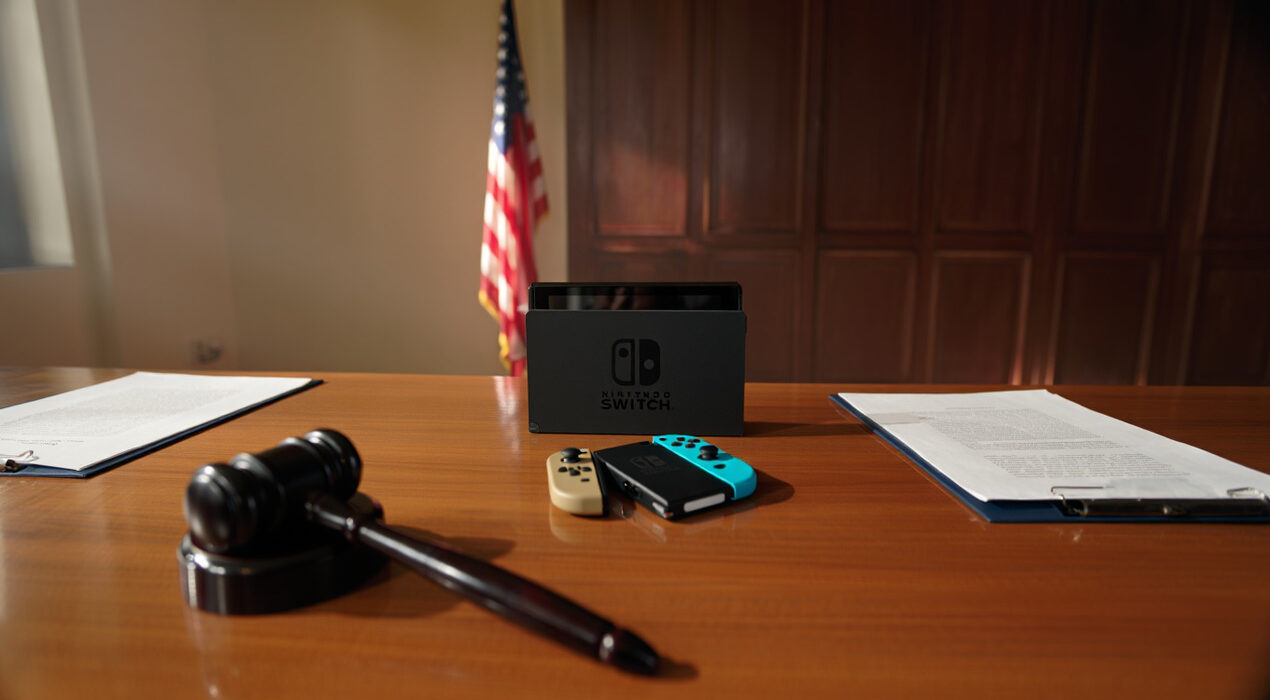
The Nintendo Tariffs Lawsuit has drawn attention across the gaming and business world. Nintendo has filed a legal challenge against the U.S. government. The case targets tariffs linked to policies introduced during the administration of Donald Trump. The company argues that these tariffs unfairly impact gaming hardware imports. As a result, production and distribution costs may rise. This situation could affect both manufacturers and players. Many gaming companies rely on international supply chains. Therefore, higher tariffs can disrupt pricing and availability in global markets.
Why the Tariffs Matter
The Nintendo Tariffs Lawsuit focuses on trade policies that increased duties on electronics and components. These tariffs targeted goods imported from several countries. For example, gaming consoles often include parts produced across multiple regions. When tariffs increase, companies must absorb extra costs or raise prices. However, higher prices could reduce demand for gaming hardware. As a result, both businesses and consumers may feel the impact. Industry experts also warn that trade restrictions can slow innovation. In addition, companies may delay product launches if manufacturing costs become uncertain.
Potential Impact on the Gaming Industry
The outcome of the Nintendo Tariffs Lawsuit could influence global tech companies. If the court rules in Nintendo’s favor, other firms might challenge similar trade measures. In addition, the case highlights the growing tension between technology companies and trade policies. Global manufacturing relies on complex supply chains. Therefore, sudden tariffs can disrupt planning and investment. Companies must adjust logistics, pricing, and production strategies. Meanwhile, gamers also watch the situation closely. Console prices and availability often depend on manufacturing costs. The Nintendo Tariffs Lawsuit shows how international trade policies affect everyday technology products. The final decision could shape future discussions about tariffs and global manufacturing.