Pakistan Afghanistan Airstrikes Escalate Border Tensions
Pakistan Afghanistan airstrikes intensified regional tensions early Friday. Security officials said fighter jets struck key Taliban sites in Kabul, Kandahar, and Paktia. At the same time, global leaders urged restraint and called for dialogue to prevent further escalation.
Air Campaign Expands Across Key Regions
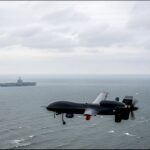
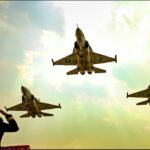
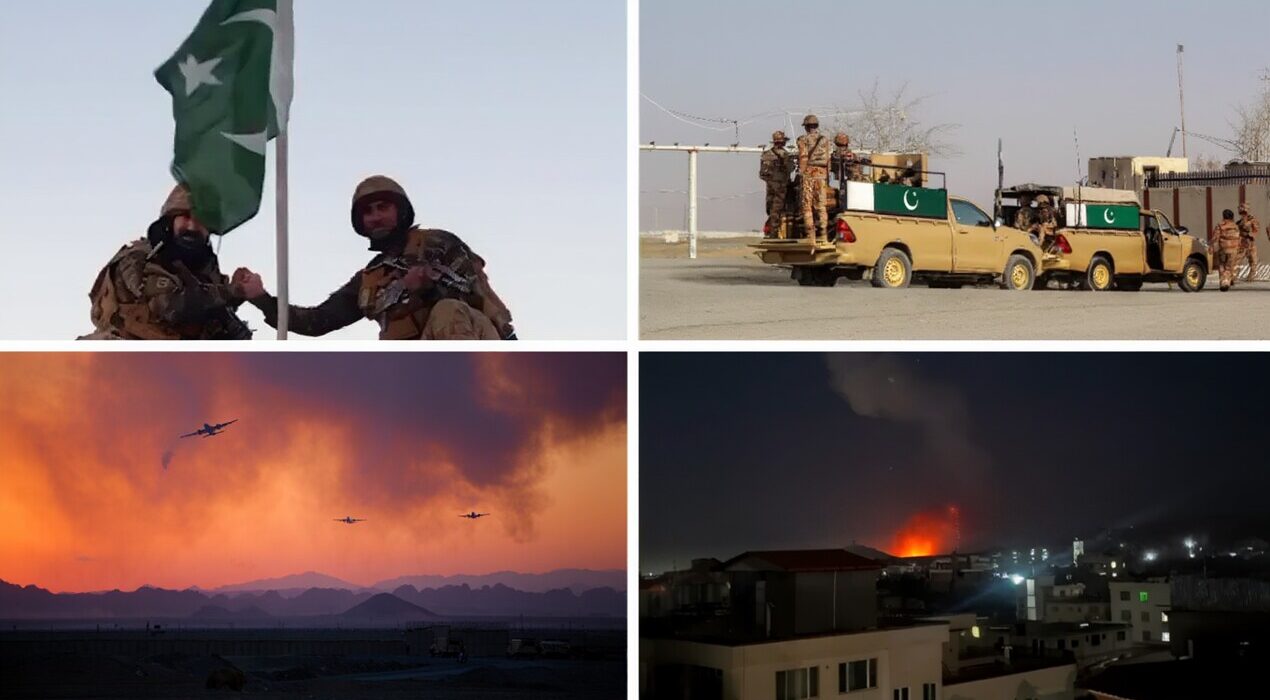
The Pakistan Air Force launched strikes under Operation Ghazab Lil Haq. Commanders targeted militant infrastructure in Nangarhar province. As a result, officials reported the destruction of two brigade headquarters in Kabul. For example, jets struck major facilities in Kandahar. Pilots hit a corps headquarters, a brigade base, an ammunition depot, and a logistics center. After completing the mission, aircraft continued patrols over the city to maintain pressure.
In addition, forces targeted another corps headquarters in Paktia. Military sources said the strikes disrupted command networks and supply routes. However, independent observers have not yet confirmed the full scale of the damage.
Ground Operations Strengthen Border Control
Along the frontier, the Pakistan Army advanced on multiple posts. Troops secured five positions in Paktia, opposite South Waziristan. Soldiers raised the national flag at sites in Shawal, Angoor Adda, and Zarmelan. Engineers demolished the Afghan terminal at Angoor Adda. Units also destroyed the Charlie and Babri posts during coordinated assaults. In the Wali Khan sector, troops cleared another outpost to tighten border control.
Meanwhile, forces intensified patrols near the Torkham crossing. Officials stated that soldiers remain fully prepared to respond to any aggression. Some reports suggested that Afghan personnel raised white flags at several locations. The situation remains tense but fluid. Therefore, diplomatic voices continue to push for talks. Many global stakeholders believe dialogue offers the best path to stability and long-term peace in the region.