Pakistan Airspace Monitoring After Iran Strikes Raises Regional Tensions
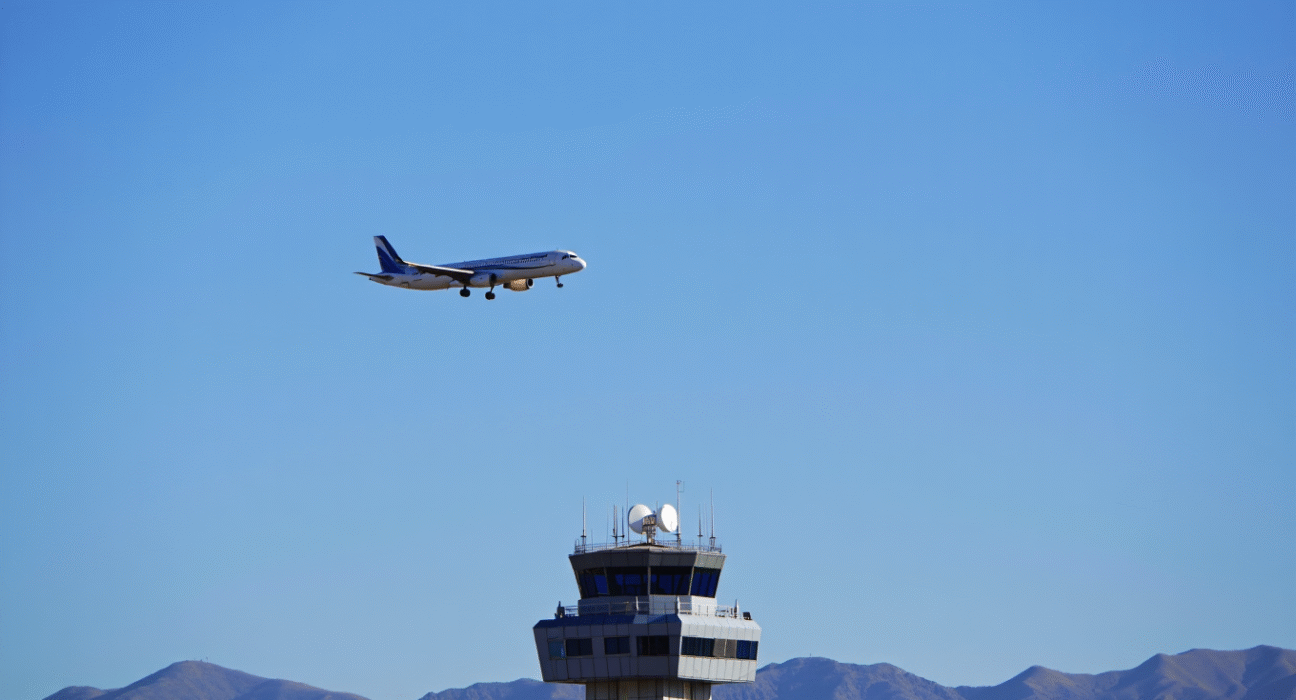
Pakistan airspace monitoring has intensified after reported joint strikes on Iran by Israel and the United States. Authorities moved quickly to protect civilian aviation. As a result, officials ordered tighter surveillance of key flight corridors.
The government directed Air Traffic Control to stay on high alert. Officials focused especially on routes near Iranian and Afghan airspace. In addition, Pakistani airlines received advice to avoid Iranian airspace until further notice. The precaution followed reports of early Saturday strikes that triggered explosions in Tehran. Iranian media said missiles hit areas including University Street and the Jomhouri district. However, officials have not confirmed the full extent of the damage.
Heightened Aviation Alert
Authorities said the move aims to ensure passenger safety. Therefore, aviation teams now monitor radar activity more closely. They also review flight paths in real time. Smoke reportedly rose from several parts of Tehran after the strikes. Some unconfirmed reports claimed missiles landed near the presidential palace. Others suggested impacts close to the compound of Ali Khamenei. Despite these reports, neither Washington nor Tel Aviv issued detailed statements at the time. As a result, uncertainty continues across the region.
Regional Security Concerns Grow
Pakistan described its actions as preventive. Officials stressed that they want to avoid risks to commercial flights. In addition, they aim to respond swiftly to any sudden escalation. Regional tensions have already increased in recent weeks. Therefore, aviation authorities remain cautious. Airlines continue to assess routes daily to ensure safe operations. Pakistan airspace monitoring will remain in place until the security situation stabilizes. Officials say passenger safety remains their top priority.