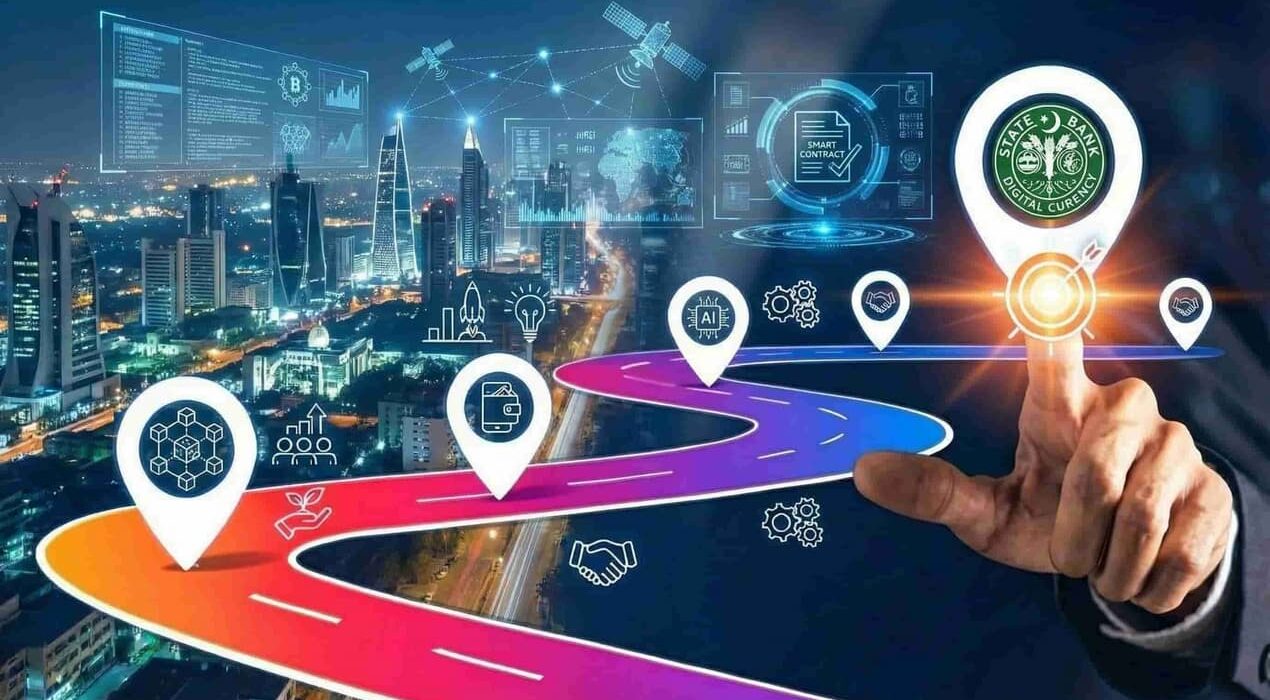
Pakistan Digital Finance Vision Bilal Bin Saqib’s 2050 Roadmap
Pakistan’s digital finance vision is gaining momentum. Bilal Bin Saqib has shared a clear roadmap for the future. He wants the country to lead global financial innovation by 2050. He believes Pakistan must build new systems now. Therefore, waiting to regulate old models will not work anymore. The focus should shift toward modern infrastructure and smart technologies.
Technology Driving Change
Global finance is changing at a fast pace. For example, artificial intelligence, blockchain, and quantum computing are reshaping systems. These tools are making traditional banking less relevant. In addition, financial systems are becoming programmable. This means systems can run automatically with rules built into code. As a result, countries that invest early can lead the future economy. Saqib also noted a shift toward AI-powered economies. He explained that AI already supports risk analysis and payments. Moreover, it improves banking, trade, and supply chains.
Opportunities for Pakistan
Pakistan has strong potential in this space. For instance, AI-based payments and blockchain can improve remittances. They can make transfers faster, cheaper, and more secure.
At the same time, tokenization is opening new doors. It allows people to own small shares of assets like real estate. Therefore, more investors can participate in the economy. Pakistan also benefits from a young and tech savvy population. However, the challenge is turning this energy into leadership. Clear policies and innovation can help achieve that goal.
Regulation and Future Strategy
The government has started taking key steps. It has issued no objection certificates to crypto exchanges. This move brings existing users into a safer system. However, this is only the first phase. Stronger rules will follow, including asset protection and governance standards. These steps aim to build trust and stability. Saqib stressed a balanced approach to regulation. Too many rules can slow innovation. On the other hand, weak rules can create risks. Therefore, a step by step strategy is essential. He also highlighted global cooperation. Pakistan is working with regulators in the US, UAE, and Singapore. This helps align local systems with international standards.
Building a Strong Financial Future
Infrastructure tokenization could play a key role. For example, roads and energy projects can attract new investment. This approach can unlock capital and expand access. Business leaders must also prepare for change. Assigning digital asset roles can improve readiness. As a result, companies can adapt faster to new systems. In conclusion, Pakistan’s digital finance vision offers a strong path forward. The country can move from follower to leader. With the right steps, it can shape the future of global finance.