Pakistan Fuel Crisis: Petrol Prices Drop After Public Pressure
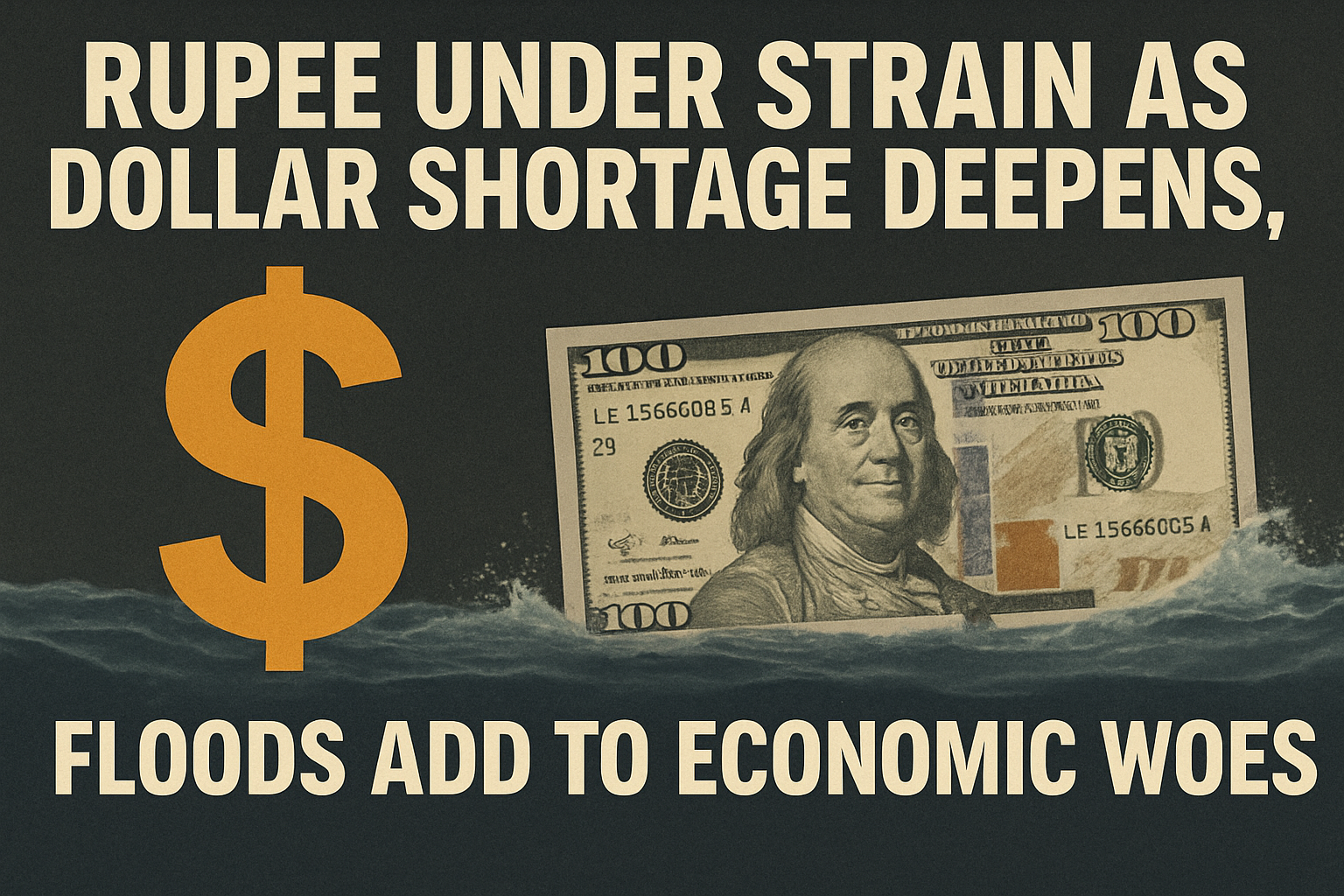
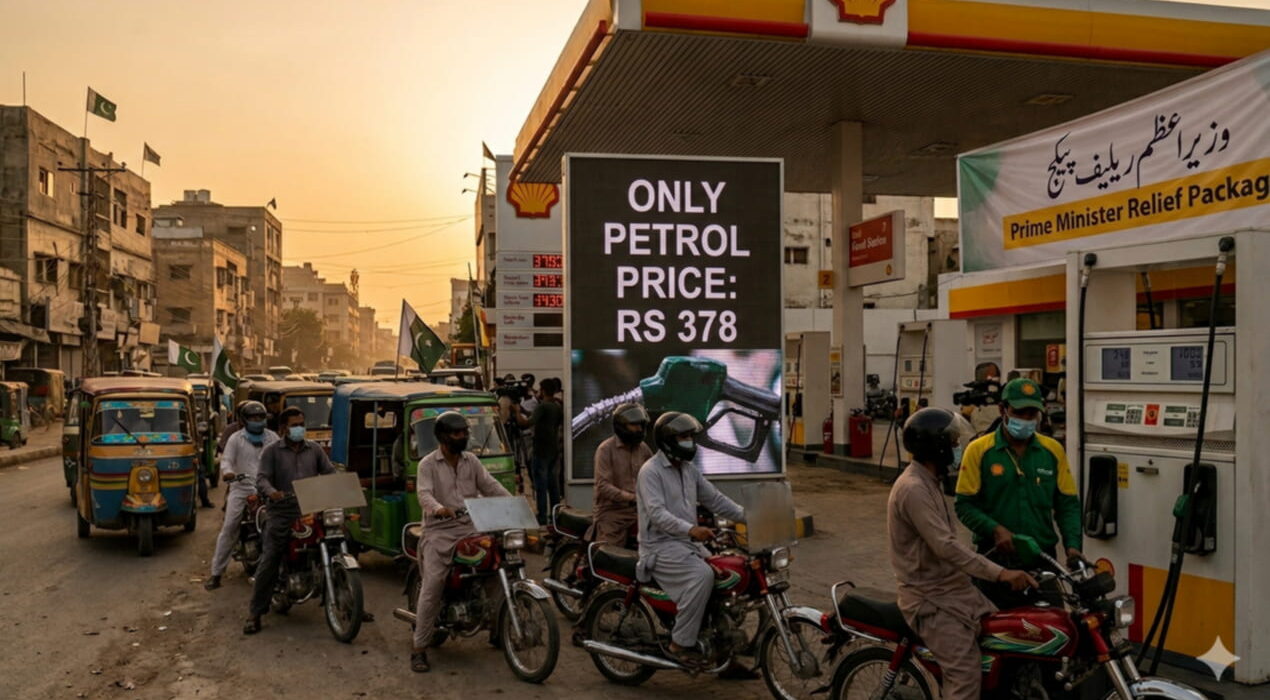
Pakistan is facing a serious Pakistan fuel crisis after a sharp rise in petrol and diesel prices. The government increased prices by up to 50–54 percent. This sudden move shocked people across the country. However, strong protests pushed leaders to act. As a result, officials reduced petrol prices by Rs80, bringing them close to Rs378 per litre.
Rising Global Pressure on Fuel Supply
Global oil prices increased due to tensions in the Middle East. These tensions disrupted key supply routes. For example, the Strait of Hormuz remains a critical path for oil shipments. Any disruption there quickly impacts countries like Pakistan.
In addition, Pakistan relies heavily on imported fuel. Therefore, global price changes directly affect local markets. The government passed these rising costs to consumers. This decision caused frustration among citizens.
People from different communities raised their voices. Many families struggled to manage daily expenses. Transport costs also went up quickly. As a result, both households and businesses faced added financial pressure.
Public Pressure Forces Government Relief
The government responded after widespread protests. Officials reduced petrol prices by Rs80 to ease public anger. This step provided some relief to consumers. However, prices still remain higher than before.
In addition, uncertainty around global oil supply continues. If tensions increase, fuel prices may rise again. Therefore, experts suggest planning for long-term energy solutions.
The Pakistan fuel crisis highlights deeper economic issues. It also shows how global events affect daily life. Moving forward, citizens expect stable prices and better decisions from policymakers.