Pakistan Fuel Price Crisis 2026: Oil Supply Disruptions Raise Costs
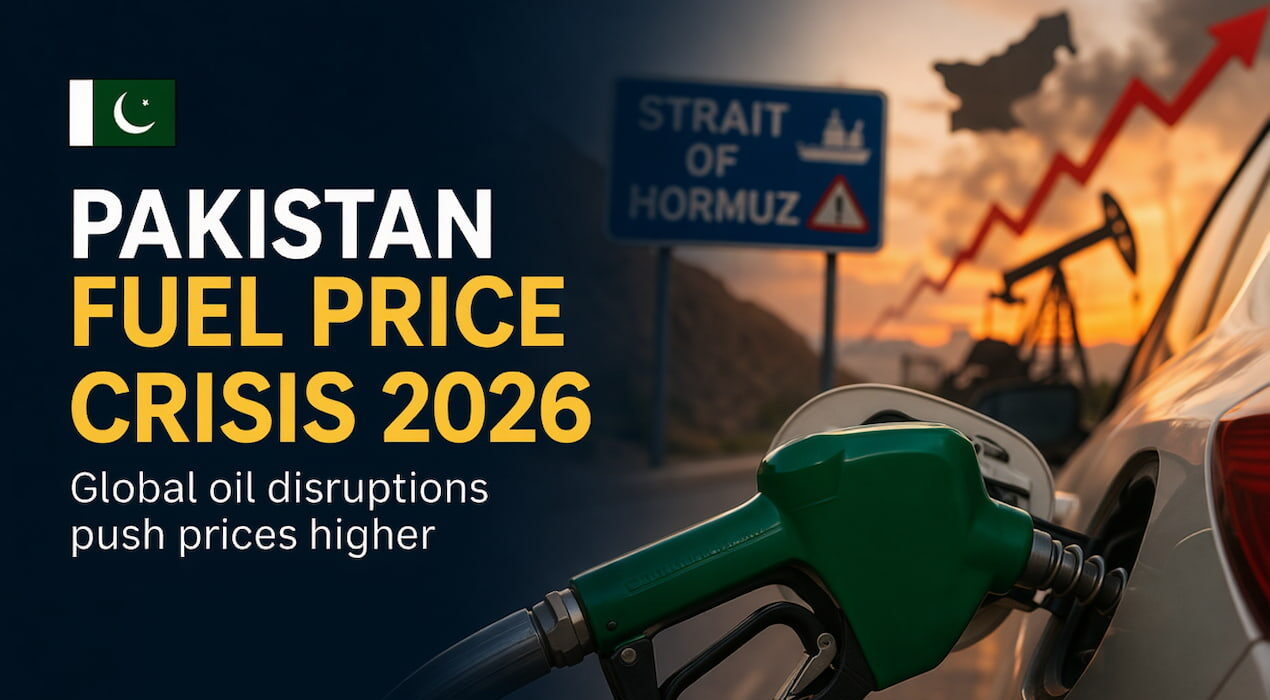
Pakistan fuel price crisis is worsening in 2026 due to global oil supply disruptions. Tensions around the Strait of Hormuz have affected shipment routes. As a result, fuel prices continue to rise across the country. This increase is putting pressure on both households and businesses.
Rising Costs and Economic Pressure
The government is closely monitoring global oil trends. However, higher import costs are straining the national economy. Fuel prices directly impact transport and electricity costs. Therefore, inflation risks are also increasing steadily.
Officials may introduce fuel rationing if the situation worsens. In addition, authorities are considering controlled power cuts to manage demand. These steps aim to reduce pressure on limited energy resources. Meanwhile, policymakers are exploring ways to stabilize prices.
Experts warn that prolonged disruptions could create further challenges. For example, delays in supply may lead to shortages in major cities. Businesses could also face higher operating costs. As a result, economic activity may slow down in the coming months.
Impact on Daily Life
Rising fuel prices are already affecting daily routines. People are paying more for transport and essential goods. As a result, many households are adjusting their budgets. Public concern is also increasing due to uncertainty.
However, the government may take steps to ease the burden. Authorities could explore alternative energy sources and cost-control measures. Moreover, officials are expected to review pricing policies regularly. These actions may provide some relief to the public.
Overall, the Pakistan fuel price crisis highlights reliance on global energy markets. It also shows the urgent need for long-term planning.