Pakistan Petroleum Price Committee Formed Amid Global Market Turmoil
The Pakistan oil price committee is now in place to protect the economy from global shocks. Prime Minister Shehbaz Sharif formed an 18-member body after crude markets surged. This move follows rising global rates triggered by fresh conflict in the Middle East. As a result, officials want quick action to limit economic pressure at home.
Global Markets React to Conflict
Oil prices jumped sharply after US-Israeli strikes on Iran. Brent crude rose nearly 14 percent. Meanwhile, West Texas Intermediate gained about 12 percent in early trade.
Investors reacted quickly. Stock markets across Asia slipped as fears of a prolonged conflict grew. The situation worsened when the Strait of Hormuz faced disruptions. Nearly 20 percent of global seaborne crude passes through this route. Therefore, any closure raises serious supply concerns.
Who Is Leading the Committee?
Finance Minister Muhammad Aurangzeb will convene the committee. Senior officials from energy, finance, and petroleum divisions will also participate. In addition, the governor of the State Bank of Pakistan joins the panel. Representatives from regulatory bodies and state run energy firms are included as well.
Security agencies will also support the group. This broad representation ensures balanced and informed decisions.
Key Goals and Daily Monitoring
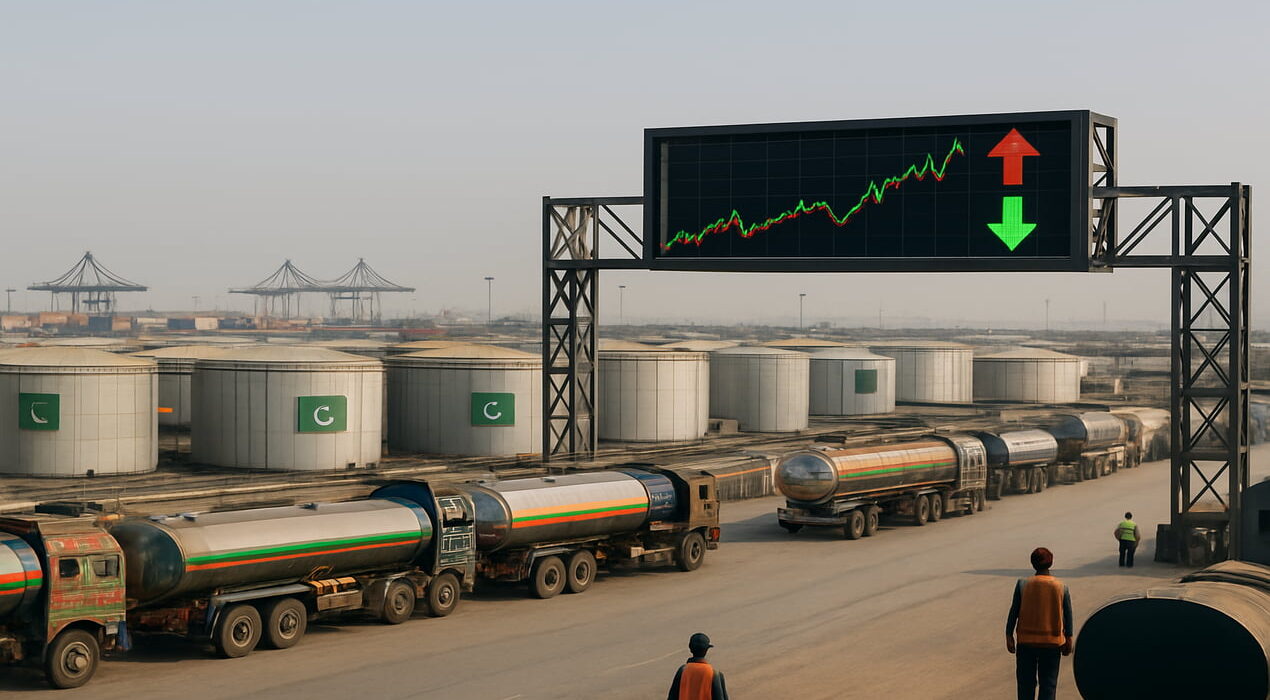
The Pakistan oil price committee will track forward and futures prices daily. It will also review supply chain stability during the conflict. Moreover, members will assess foreign exchange risks in the short and medium term. They aim to prevent shortages and keep markets stable. The body will study possible fiscal impacts if tensions continue. It will then suggest practical steps to protect growth and control inflation. Importantly, the committee will meet every day. After each session, it will brief the prime minister with updates and recommendations. This proactive step shows the government’s focus on economic stability. However, global developments will remain crucial in shaping outcomes.