Pakistan’s Blue Economy Depends on Coastal Wetlands, Minister Warns
Pakistan’s blue economy wetlands are vital for growth, climate safety, and jobs. The maritime minister urges urgent protection efforts. As Pakistan pursues growth through its blue economy wetlands, coastal ecosystems remain critical. The sector currently earns about one billion dollars annually. However, leaders aim to raise that figure beyond one hundred billion dollars.
Federal Minister for Maritime Affairs Muhammad Junaid Anwar Chaudhry issued a clear warning. He stressed that wetlands protect both economic growth and environmental stability. Without them, long term progress faces serious risks.
Speaking on World Wetlands Day 2026, the minister highlighted traditional knowledge. This year’s theme focused on cultural heritage linked to wetlands. He called these ecosystems silent protectors of Pakistan’s coastline.
Wetlands Safeguard Marine Life and Communities
Wetlands support marine life across the Arabian Sea. They filter pollutants and improve water quality. As a result, fish populations remain healthy and productive.
These areas also provide breeding grounds for marine species. Therefore, fishing communities in Sindh and Balochistan rely on them daily. Sustainable catches help secure food supplies and stable incomes.
In addition, wetlands support biodiversity that keeps ecosystems balanced. Healthy waters benefit everyone, from coastal families to urban consumers.
Natural Defense Against Climate Risks
Coastal wetlands act as natural barriers. They reduce flooding, erosion, and storm damage. Consequently, they protect homes, ports, and transport routes.
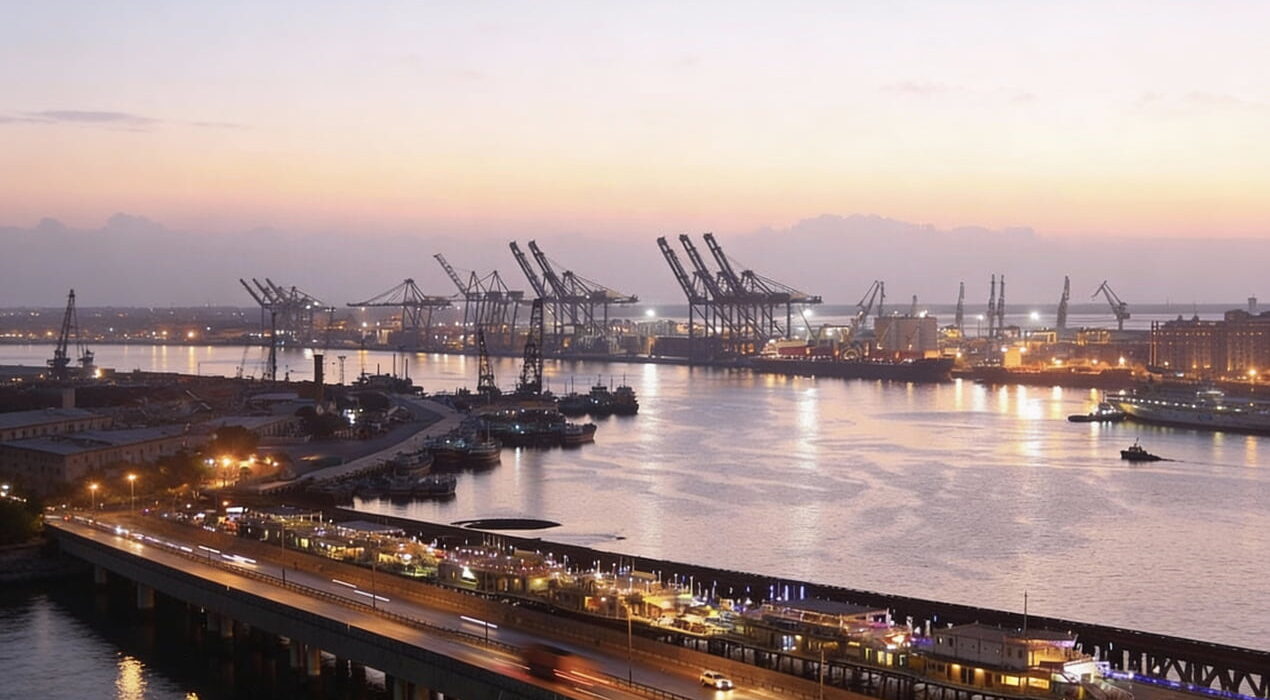
Rising sea levels increase these threats each year. However, wetlands absorb impacts that concrete structures cannot. Ports like Karachi and Gwadar depend on this protection.
Climate resilience remains essential for future planning. Therefore, preserving wetlands lowers disaster risks for vulnerable communities.
Driving the Blue Economy Forward
Every pillar of the blue economy depends on wetlands. These include fisheries, shipping, trade, and eco tourism. Strong ecosystems support jobs and exports nationwide.
Pakistan’s maritime sector has shown steady growth. Recent years delivered record profits. Yet, expansion requires environmental protection.
The minister emphasized the Indus Delta mangroves. He described them as vital for food security and livelihoods. Millions depend on these ecosystems for survival.
A Call for Collective Action
Despite their value, wetlands face severe threats. Pollution, plastic waste, and untreated industrial discharge cause rapid damage. Climate pressure worsens the situation each year.
Minister Chaudhry urged stronger conservation laws. He also called for public awareness and community involvement. Protection efforts must include local voices.
As Pakistan advances its Blue Economy Policy, the message is clear. Protecting blue economy wetlands is not optional. It is an economic necessity for the nation’s future.