Peshawar Takes Urgent Steps to Prevent Chikungunya Outbreak
Health officials in Peshawar have taken urgent action to stop the possible spread of Chikungunya. The health department has directed local authorities to set up isolation wards, control rooms, and stock essential medicines. The Public Health Reference Laboratory has already begun collecting samples from suspected patients.
Rising Concern Over Mosquito-Borne Diseases
Meanwhile, dengue cases continue to increase. Seventy-seven new cases were reported in the last 24 hours, and 32 patients were hospitalised. So far, Khyber Pakhtunkhwa has recorded 2,880 dengue cases, with 1,269 hospitalisations. The highest numbers were reported in Charsadda, Mansehra, Haripur, and Peshawar.
During field visits, Dr. Shahid Yunis, Director-General of Health Services, noted that several patients showed symptoms similar to Chikungunya. Therefore, samples were sent to Khyber Medical University for confirmation. Twenty-one samples have been collected, and results are expected soon.
Preventive Measures and Public Awareness
The district health officer has been instructed to take strong preventive steps. These include setting up isolation wards, ensuring medicine supply, and eliminating mosquito breeding sites. Officials also aim to strengthen community awareness about prevention and vector control.
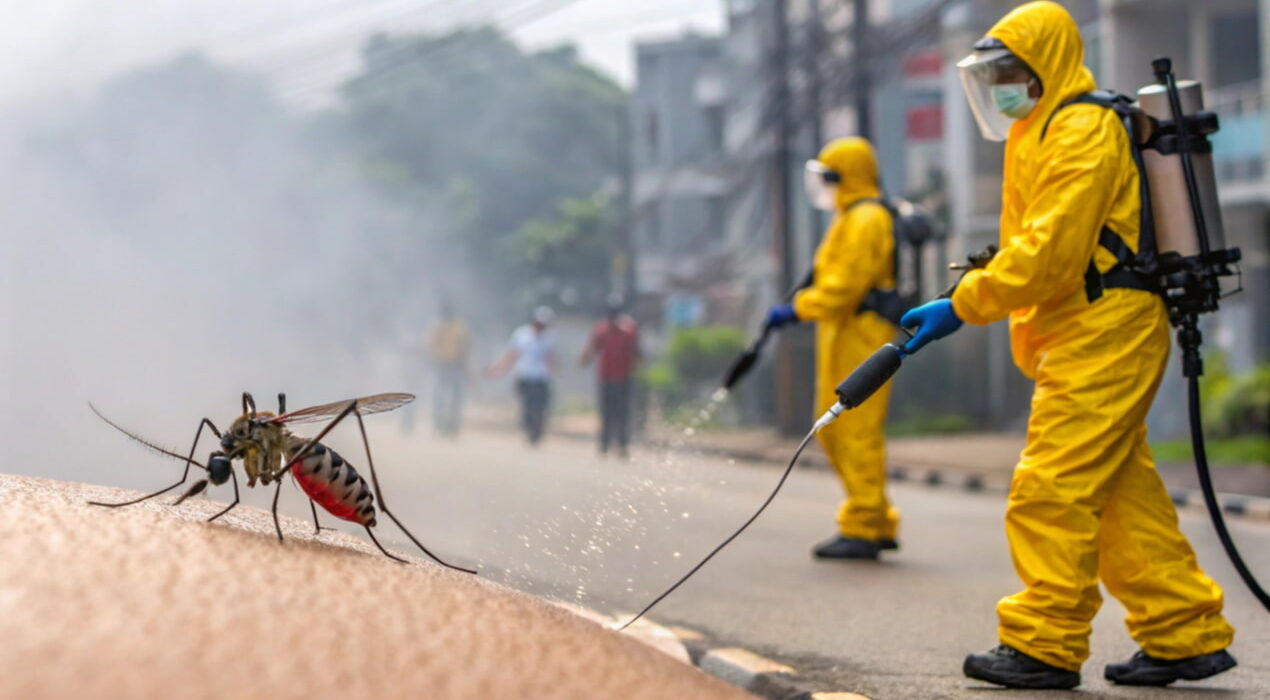
The National Institute of Health (NIH) has reminded citizens that Chikungunya is spread by Aedes mosquitoes—the same that transmit dengue. The illness usually appears four to eight days after a mosquito bite. While rarely fatal, it can cause fever, joint pain, and fatigue.
Health experts stress that removing stagnant water, covering containers, and using repellents can prevent mosquito breeding. As a result, early action and public cooperation are crucial to keeping Peshawar safe from another outbreak.