PIMS achieves Pakistan’s first robotic medical milestone with advanced laparoscopic procedure
Pakistan has reached a robotic medical milestone as PIMS in Islamabad successfully completes its first robotic laparoscopic operation. This achievement marks a major step forward for public healthcare and offers patients safer and more precise treatment options. In addition, it shows how technology can improve care in a simple and accessible way.
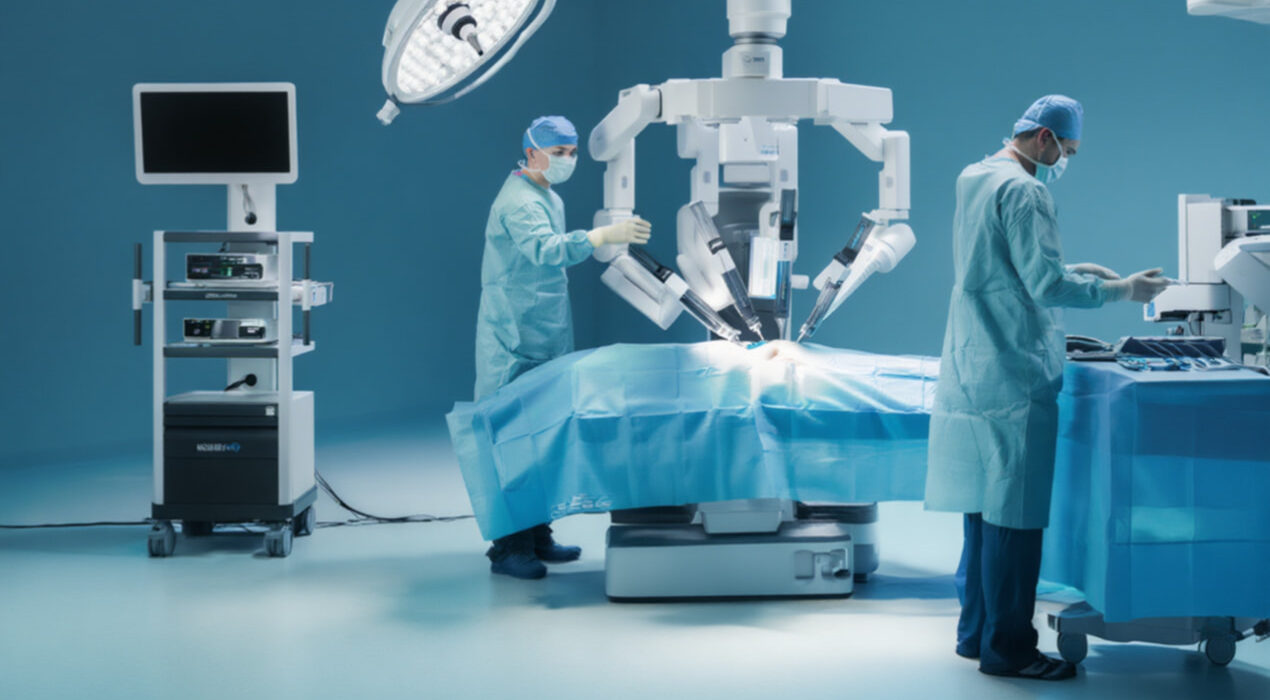
Doctors at PIMS used a modern robotic system to remove a small gland located near a patient’s kidney. The procedure involved tiny cuts, which helped reduce pain and discomfort. As a result, the patient experienced a smoother experience before, during, and after the operation.
Inside the operating theatre, the robotic system handled the delicate movements. However, the surgeon stayed fully in control through a dedicated console. This combination of human skill and advanced technology highlighted the system’s impressive accuracy.
A New Era of Patient-Friendly Treatment
Medical experts believe this technology will change how people receive care. The method uses smaller incisions, which naturally lowers pain levels. It also allows patients to return to daily activities much faster. For example, Professor Dr. Atif Inam Shami explained that open procedures often require several days in the hospital. In contrast, the new approach sends many patients home by the second day.
Dr. Shami shared that many people can resume driving or office work within a few days. Therefore, this development offers hope to those seeking quick and reliable recovery.
Affordable Innovation for Hospitals
The new robotic systems come from a Chinese manufacturer and cost far less than older models. Previously, hospitals needed nearly Rs1 billion to purchase similar machines. Now, the price has dropped to a few million, making the technology far more accessible.
Abdul Rehman, who represents the company partnering with PIMS, said earlier procedures could cost $1,000 per patient. Today, costs usually stay below Rs200,000. This shift could ease pressure on hospitals and help more people access high-quality care.
Even so, PIMS officials shared that funding for their robotic project has been pending for a year. They encouraged the government to approve it soon so more departments can adopt this life-improving technology.