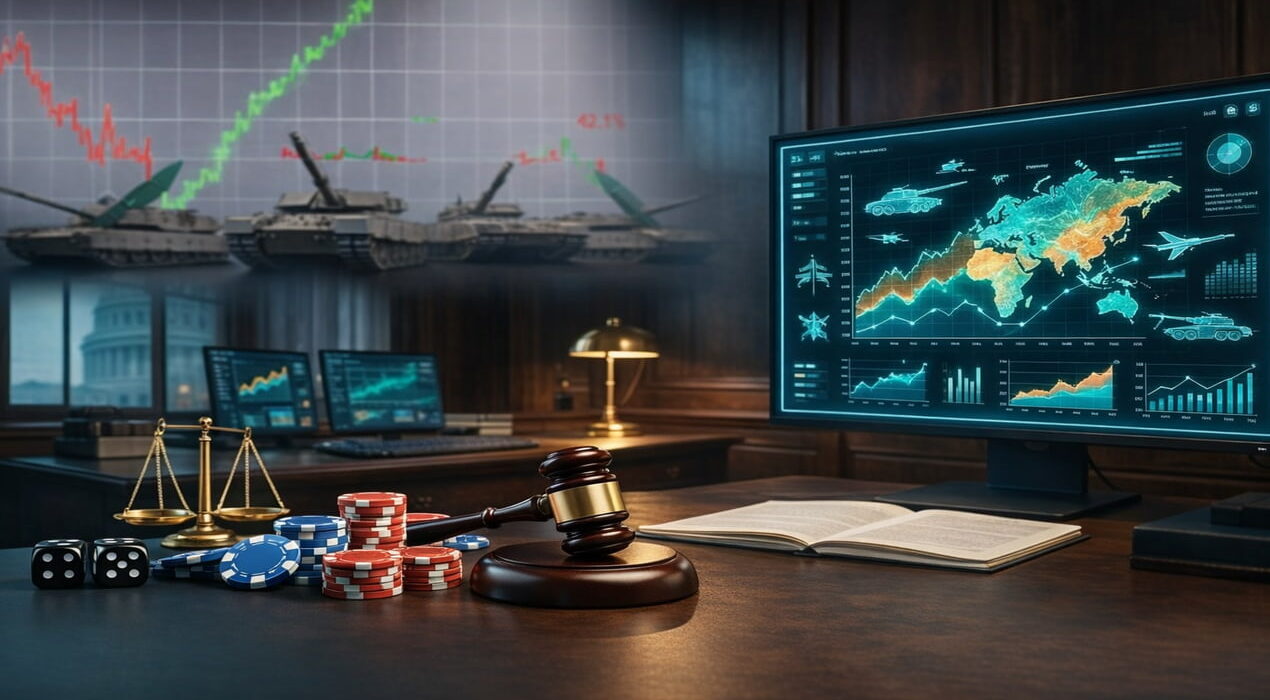
Prediction Markets War Bets Spark Calls for Tougher US Regulations
Prediction markets war bets are creating controversy in the United States. Critics say these platforms allow people to gamble on serious global events. As a result, regulators now face growing pressure to step in. Many experts warn that such betting could create ethical and security concerns. Therefore, lawmakers and watchdog groups are demanding stricter rules.
Rise of Prediction Markets
Prediction markets have grown rapidly in the past year. Platforms like Kalshi allow users to trade on future events. Unlike traditional sportsbooks, these platforms work like exchanges. Users trade “event contracts” and bet on outcomes. For example, they might predict election results or interest rate changes.
The industry expanded after legal changes allowed election related betting in 2024. As a result, interest surged during the campaign involving Donald Trump. Today, prediction platforms host billions of dollars in trades.
Controversial War Related Bets
Recently, some markets crossed into sensitive territory. Users began placing bets linked to conflicts involving Iran and other countries. In one case, a bettor wagered money on whether Ali Khamenei would be removed from power by a certain date. Meanwhile, the platform Polymarket reportedly hosted hundreds of millions of dollars in bets tied to potential military action involving Iran.
At one point, traders could even speculate on the possibility of a nuclear event. However, the company later removed that market after heavy criticism online. Still, some contracts about future military moves remain available.
Critics Demand Stronger Oversight
Advocacy groups now argue that these bets cross ethical lines. For example, the organization Public Citizen recently filed a complaint about such markets. Lobbyist Craig Holman said betting on the death of world leaders is disturbing. According to critics, the trend encourages war profiteering. Others also warn about possible insider trading. Sensitive information could give some traders unfair advantages. Therefore, many analysts believe stronger oversight is necessary.
Regulatory Battle Intensifies
The debate has also triggered a legal struggle over regulation. The Commodity Futures Trading Commission currently oversees prediction markets..However, several US states argue these platforms resemble gambling operations. As a result, they want the authority to regulate them like traditional betting companies. Industry pressure is also growing in Washington. Traditional gaming firms have hired lobbyists, including former official Mick Mulvaney, to push for tighter rules.
Experts say the issue is not whether gambling should exist. Instead, the real question is how to regulate prediction markets fairly. For now, the debate over prediction markets war bets continues to grow.