Pump Shutdown Warning in Pakistan as Fuel Deliveries Fall
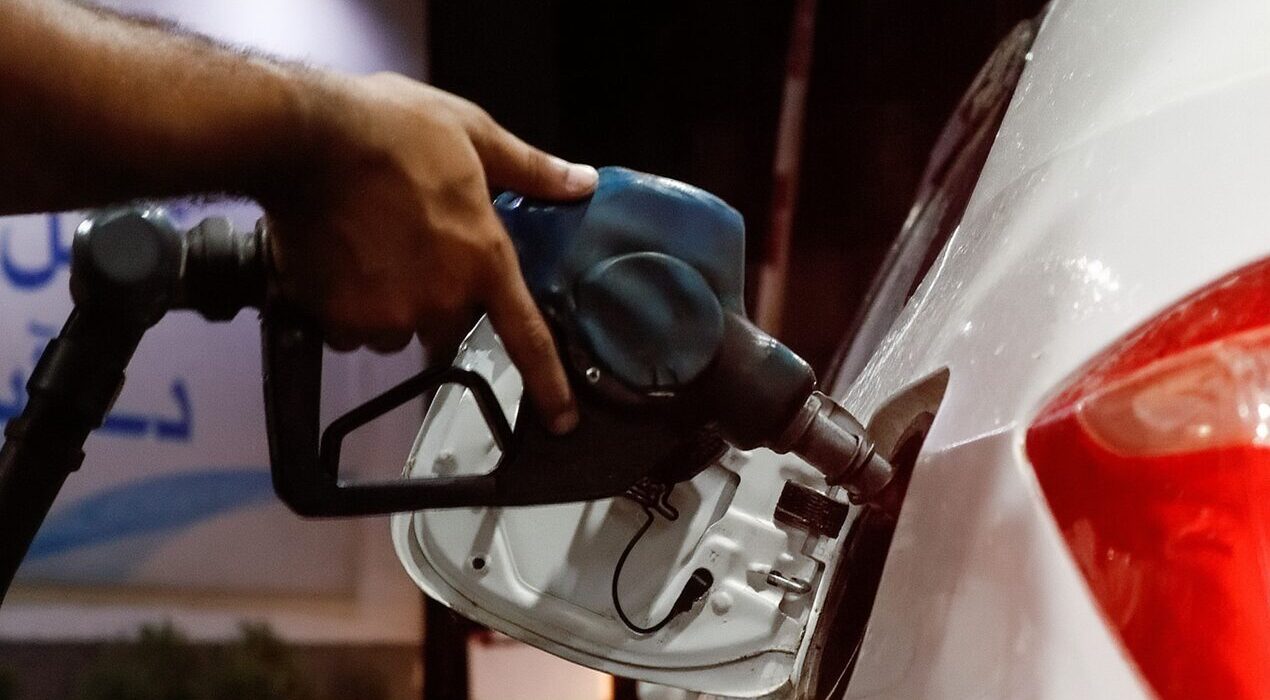
A pump shutdown warning has surfaced as petroleum dealers report falling fuel deliveries across Pakistan. Leaders of the Pakistan Petroleum Dealers Association raised the issue during a press conference in Lahore. They said petrol pumps may start closing within days if supply does not improve.
Dealers explained that the situation has become serious. Therefore, they asked the government to restore normal fuel deliveries immediately. They also stressed that the public should not face difficulties because of supply disruptions.
Dealers warn of declining fuel deliveries
Central Secretary General Chaudhry Irfan Elahi said diesel deliveries have dropped sharply in recent days. According to him, stations now receive only about 20 percent of their usual diesel supply. In addition, petrol deliveries have also declined significantly.
As a result, many fuel stations struggle to meet daily demand. Elahi also claimed that prices have increased because of the reduced supply. For example, diesel prices have risen by about Rs17, while petrol prices have climbed nearly Rs35.
Meanwhile, Central Punjab President Nauman Majeed said petrol deliveries have fallen by nearly 50 percent. He also accused some private companies of hoarding petroleum products.
Lahore President Jehanzaib Malik urged authorities to focus on supply depots instead of only inspecting retail stations. He explained that dealers want consistent deliveries so the public can refuel without delays.
Malik repeated the pump shutdown warning if companies continue to limit supply. However, he stressed that dealers do not want shortages that affect commuters and businesses.
Government response and regional concerns
Officials from the Oil and Gas Regulatory Authority said Pakistan currently holds fuel reserves for about 28 days. In addition, the country has crude oil stocks for roughly ten days.
However, global tensions have complicated shipments. Two crude cargoes remain stuck after the Strait of Hormuz closed due to regional conflict.
This narrow waterway carries nearly one fifth of the world’s oil supply. Therefore, any disruption quickly affects global shipments.
Authorities now plan to import oil through the Red Sea. Suppliers from Saudi Arabia and the UAE have already started sending cargo through alternative routes. Meanwhile, the government has also announced energy conservation measures to manage demand if the situation continues.