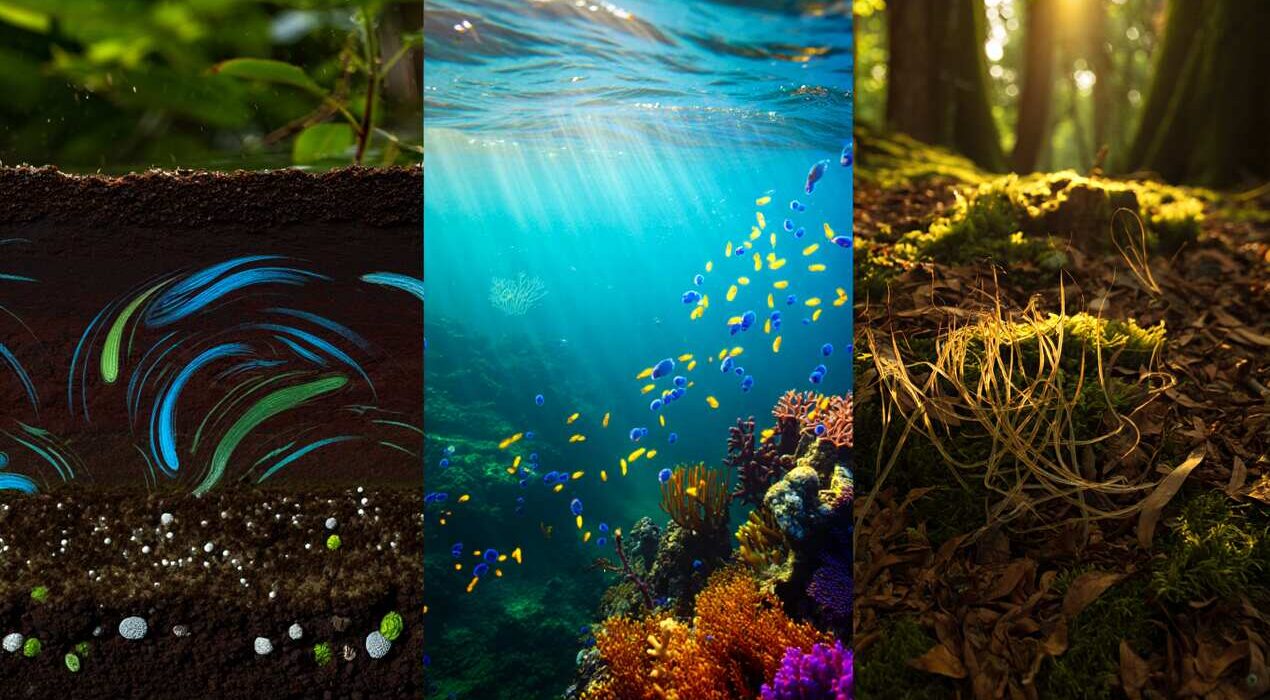
Saving Microbes May Be the Most Important Conservation Mission Yet
Scientists have introduced a fresh plan to protect microbial biodiversity. These tiny organisms make up most of life on Earth, yet people rarely notice them. However, they drive the systems that support climate stability, food production, and healthy ecosystems.A global team recently created the first roadmap focused on microbial conservation. Their work aims to bring these essential microbes into mainstream environmental policy.
A Global Initiative Takes Shape
In July 2025, the IUCN established the Microbial Conservation Specialist Group. This move officially placed microbes within international conservation efforts. The group is co-chaired by Professor Jack Gilbert and Professor Raquel Peixoto.Their goal is simple: make microbial life visible and valued. As a result, the team now works on tools, policies, and solutions that help protect these invisible communities.
Why Microbial Diversity Matters
Microbes support soil health, ocean productivity, and the
well-being of plants and animals. In addition, they help regulate the planet’s carbon cycle. Ignoring them weakens climate resilience and restoration work.The new roadmap aims to fix this gap. It includes plans for assessing microbial communities, building ethical guidelines, and testing nature-based solutions like coral probiotics and soil microbiomes.
Building a Global Network
Experts from more than 30 countries have joined the effort. They will map microbial hotspots, link global biobanks, and develop conservation metrics. Their early work already has funding from major science organizations.Future goals include a Microbial Red List by 2027 and integrating microbes into global biodiversity targets by 2030. Long-term success will require steady investment and improved public awareness. Scientists believe this shift marks a major step toward protecting the tiny life forms that keep our planet running.