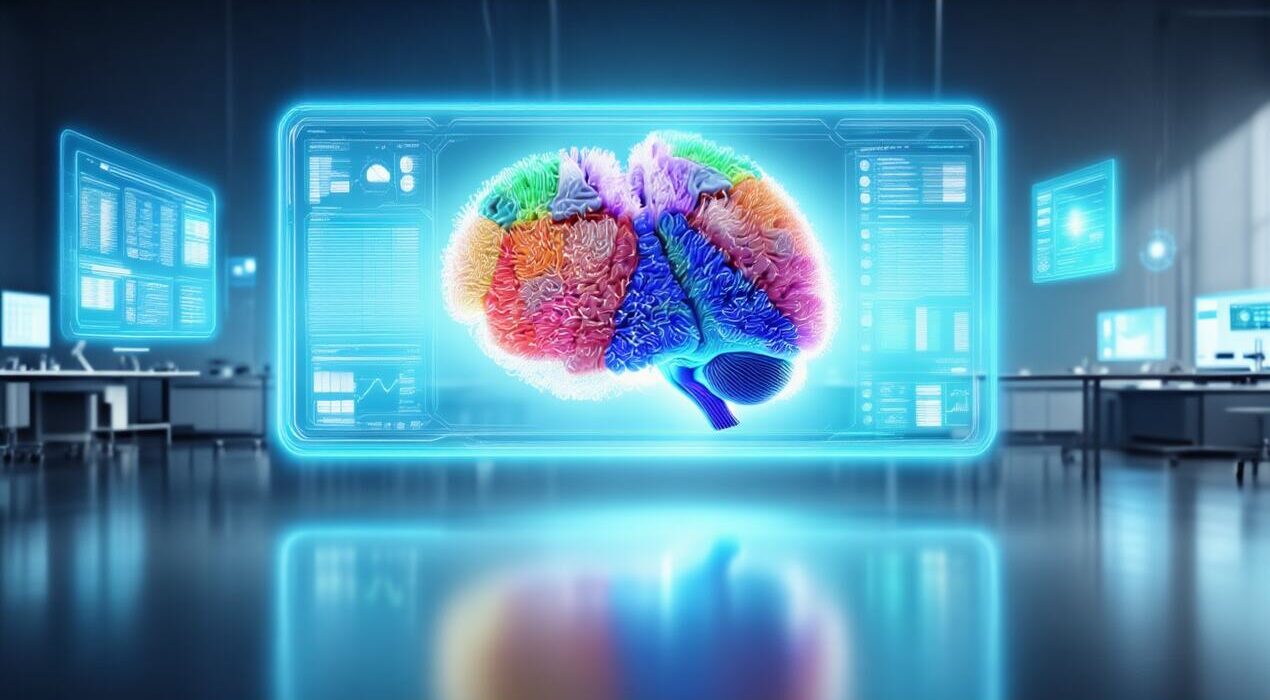
Scientists Build Ultra-Realistic Digital Mouse Brain
Scientists have created one of the most realistic digital mouse brains ever made. They used the powerful Fugaku supercomputer to build a detailed model of the entire mouse cortex. As a result, researchers can now explore the brain in a safe and flexible virtual space.The digital brain acts like a real one. It shows natural patterns, electrical signals, and connections. In addition, it helps experts study diseases without using live animals.
Supercomputers Make the Impossible Possible
Fugaku is one of the fastest supercomputers in the world. It can perform quadrillions of calculations each second. This strength allowed the team to simulate nearly ten million neurons and billions of synapses. Each neuron behaves like its real counterpart, down to tiny electrical shifts.The project involved the Allen Institute and several Japanese research teams. Together, they combined biological data and advanced software to bring this model to life. Their work will appear at the global SC25 supercomputing conference.
Opening New Doors for Brain Research
This virtual cortex lets scientists test ideas much faster than in traditional labs. For example, they can explore how seizures spread or how brain waves support attention. They can also examine early signs of disorders such as Alzheimer’s before symptoms appear.Anton Arkhipov from the Allen Institute said the results prove that large, precise brain models are now possible. The team believes even bigger models, including full-brain versions, will follow.
Building the Brain From Real Data
The model uses information from the Allen Cell Types Database and the Allen Connectivity Atlas. A tool called Neulite turns equations into lifelike neurons that fire and communicate. Therefore, the simulation mirrors the complex activity seen in living tissue.
Researchers see this as only the beginning. With growing computing power, fully detailed human brain models may one day become a reality.