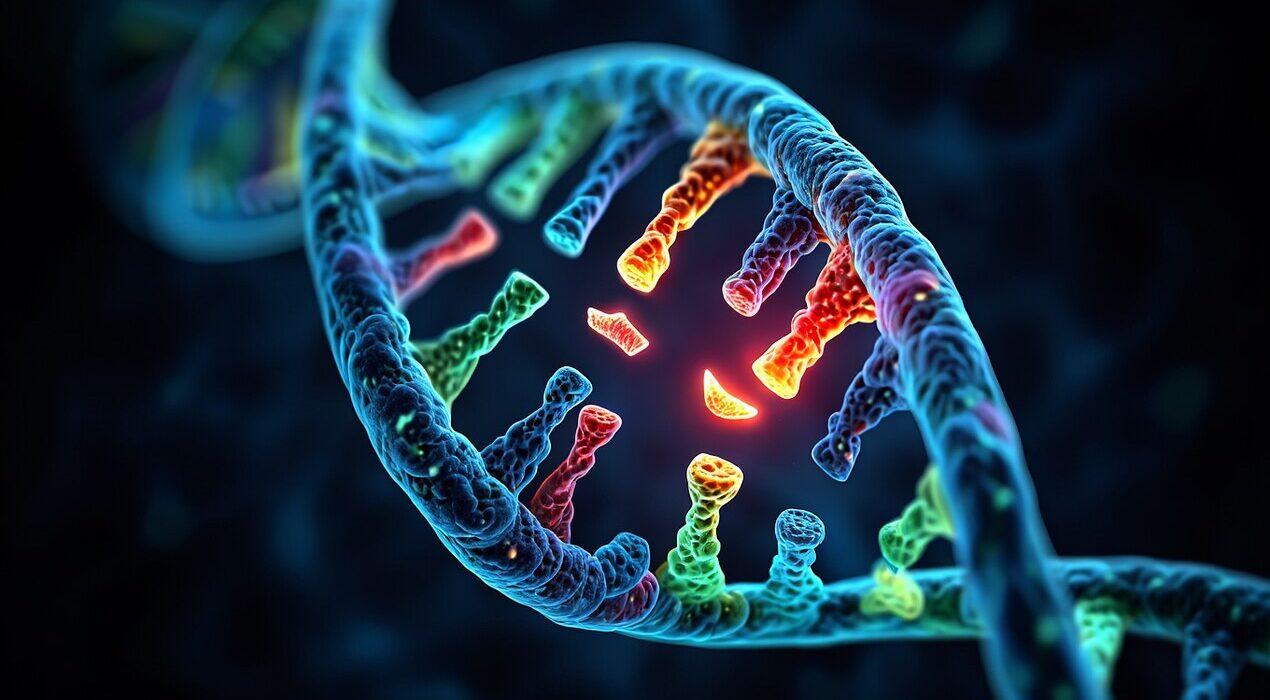
Scientists Discover DNA Repair Weakness That Could Lead to Safer Cancer Treatments
Cancer cells face constant DNA damage. However, some survive by using a dangerous repair shortcut. Scientists now say this weakness could expose new treatment options.
Researchers from Scripps Research Institute uncovered how this process works. Their findings explain why certain tumors resist damage. As a result, scientists see a new way to target cancer cells. DNA breaks happen often inside cells. One of the most serious breaks cuts both DNA strands. Healthy cells usually fix this damage carefully. However, those precise systems sometimes fail. When that happens, cells activate an emergency repair. This backup works fast but makes many mistakes.
Tangled DNA Creates Cellular Stress
The study focused on structures called R-loops. These form when RNA sticks to DNA after copying. As a result, DNA becomes fragile and unstable.Cells usually control these tangles. However, when control fails, damage builds quickly. This stress pushes cells toward risky repair choices.
A Missing Protein Changes the Rules
Scientists studied cells lacking a protein called SETX. This protein normally helps untangle DNA. Without it, R-loops pile up.As damage increases, normal repair signals weaken. Therefore, cells switch to a last-resort method. This method is called break-induced replication, or BIR.BIR reconnects broken DNA by copying long sections. It saves the cell, but errors spread fast. Over time, DNA becomes unstable.Despite the risk, some cancer cells depend on BIR. In addition, they cannot survive without it. This dependence creates a serious weakness.
A New Target for Cancer Treatment
Researchers found that blocking BIR kills these cancer cells. Healthy cells remain mostly unharmed. Therefore, this approach could be safer. Although more work remains, the discovery offers hope. In conclusion, cancer’s survival trick may become its downfall.