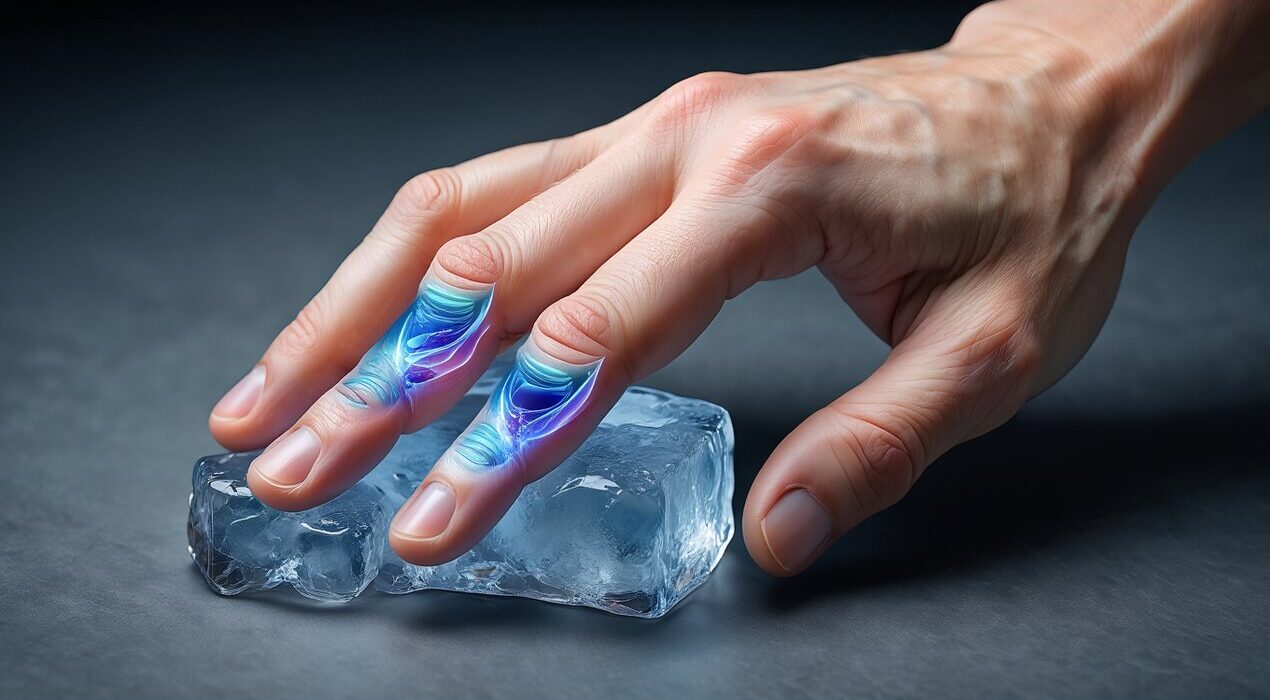
Scientists Discover Two Separate Cold Sensors in the Human Body
Scientists have discovered that the human body uses two separate systems to sense cold. This finding helps explain how people react to different temperature levels. As a result, it could change how doctors treat cold-related pain and conditions.
The Body Detects Cold
The body does not rely on one single cold sensor. Instead, it uses different nerve pathways to detect temperature changes. Therefore, mild coolness and extreme cold trigger different biological responses. Researchers found that one sensor responds to gentle cooling.
For example, this sensor helps you notice a cool breeze. However, another sensor activates during intense cold exposure.
Two Sensors, Two Different Roles
The first cold sensor reacts to moderate temperature drops. It helps the body stay comfortable and alert. In addition, it supports everyday temperature awareness. The second sensor responds to painful or extreme cold. This sensor acts as a warning system. As a result, it helps prevent tissue damage and frostbite.
This Discovery Matters
This discovery improves our understanding of pain perception. Doctors can now target specific cold sensors for treatment. Therefore, pain therapies could become more precise and effective. The findings may also help people with chronic pain conditions. For instance, patients sensitive to cold may benefit from tailored treatments. In addition, researchers may design better medications with fewer side effects. Scientists plan to study how these sensors interact. They also want to explore differences among individuals. As a result, future treatments could become more personalized. This discovery shows how complex the human body truly is. However, it also opens doors to safer and smarter medical solutions.