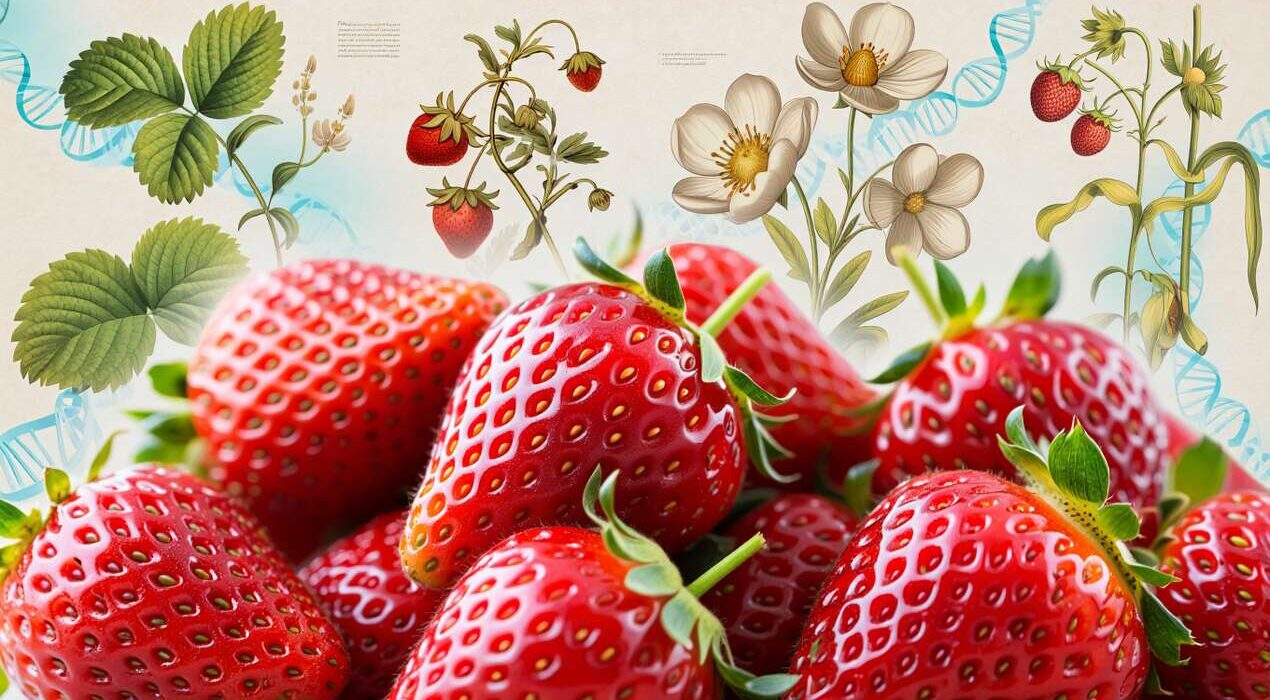
Scientists Reveal the Hidden History of the Modern Strawberry
Every juicy strawberry you eat has a secret history. Scientists have now traced its origins back 300 years. The story involves two continents, accidental meetings, and human curiosity. The modern strawberry isn’t naturally occurring. Instead, it resulted from a chance encounter between two wild species. Researchers recently published these findings in a leading genetics journal.
The Accidental Love Story
North America gave us one parent: the Virginia strawberry. South America provided the other: the Chilean strawberry. For thousands of years, they grew thousands of miles apart. Then something remarkable happened in the 1700s. French explorers brought Chilean strawberries to Europe. At the same time, Virginia strawberries were already growing there. Bees did the rest of the work. They cross-pollinated these strangers in European gardens. As a result, a delicious hybrid was born.
Why Size Matters
Those original wild strawberries were tiny. They looked nothing like what you buy today. However, their offspring changed everything. The new hybrid combined the best traits. It had the large size from its Chilean parent. It also had the intense flavor from its Virginia parent. Therefore, gardeners immediately recognized its potential.
The Journey to Your Plate
For centuries, farmers selectively bred these hybrids. They saved seeds from the biggest, sweetest fruits. Gradually, the strawberry transformed into today’s supermarket staple. Modern strawberries now grow on every continent except Antarctica. Global production exceeds nine million tons annually. That means billions of strawberries are eaten worldwide each year.
What This Means for Your Fruit Bowl
This discovery matters beyond simple curiosity. Understanding genetic history helps farmers today. They can develop strawberries that resist disease better. Researchers also hope to improve flavor. Some original traits got lost during breeding. Scientists might now bring those back. For example, older varieties had stronger aromas. Modern strawberries sometimes lack that punch. Genetic knowledge could restore that lost taste.
The strawberry reminds us how connected our world truly is. It represents collaboration between continents, species, and centuries. Without that chance meeting in France, your summer desserts would look very different. So next time you bite into a strawberry, remember its journey. That sweet fruit carries 300 years of history inside every seed.