Smart Gloves Translate Sign Language Gestures Into Text and Speech
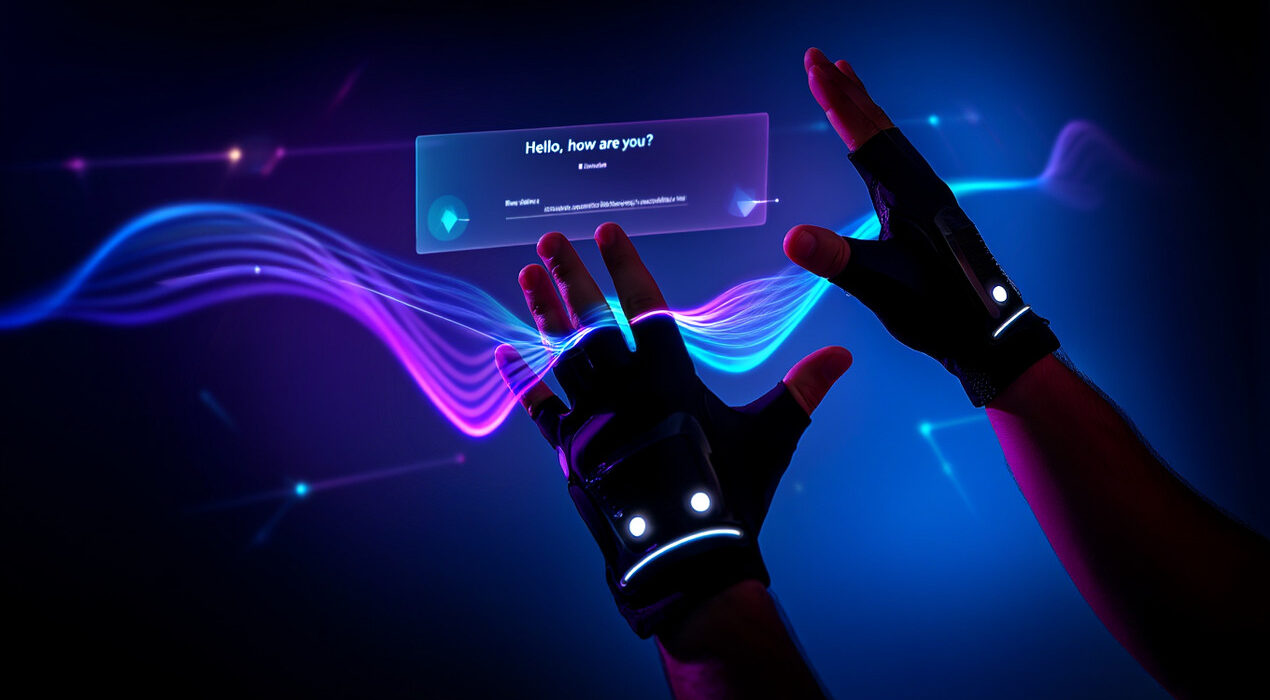
University students in several countries have created smart sign gloves that translate gestures into text or speech. These wearable devices use motion and flex sensors to track finger movement. A small microcontroller processes the data in real time.
The gloves usually connect to smartphones or portable speakers. As a result, predefined gestures convert into audible words instantly. This feature can support communication in public spaces, classrooms, and workplaces. Some teams also add machine learning to improve recognition accuracy. Over time, the system learns patterns and reduces errors. Therefore, performance can improve with regular use.
Promise, Limits, and Community Input
However, sign languages involve more than hand shapes. They include facial expressions, body posture, and context. Experts in Deaf culture stress that gloves cannot fully replace natural signing. Accuracy also depends on vocabulary size and surroundings. For example, background movement or incorrect calibration can reduce precision. In addition, most models remain prototypes or early commercial products.
Researchers now explore combining computer vision with wearable sensors. This approach could capture facial cues and improve translation quality. Even so, developers emphasize collaboration with Deaf communities. Inclusive design remains essential for meaningful adoption. Technology should support communication without replacing cultural identity. With thoughtful development, smart sign gloves may become helpful assistive tools in the future.