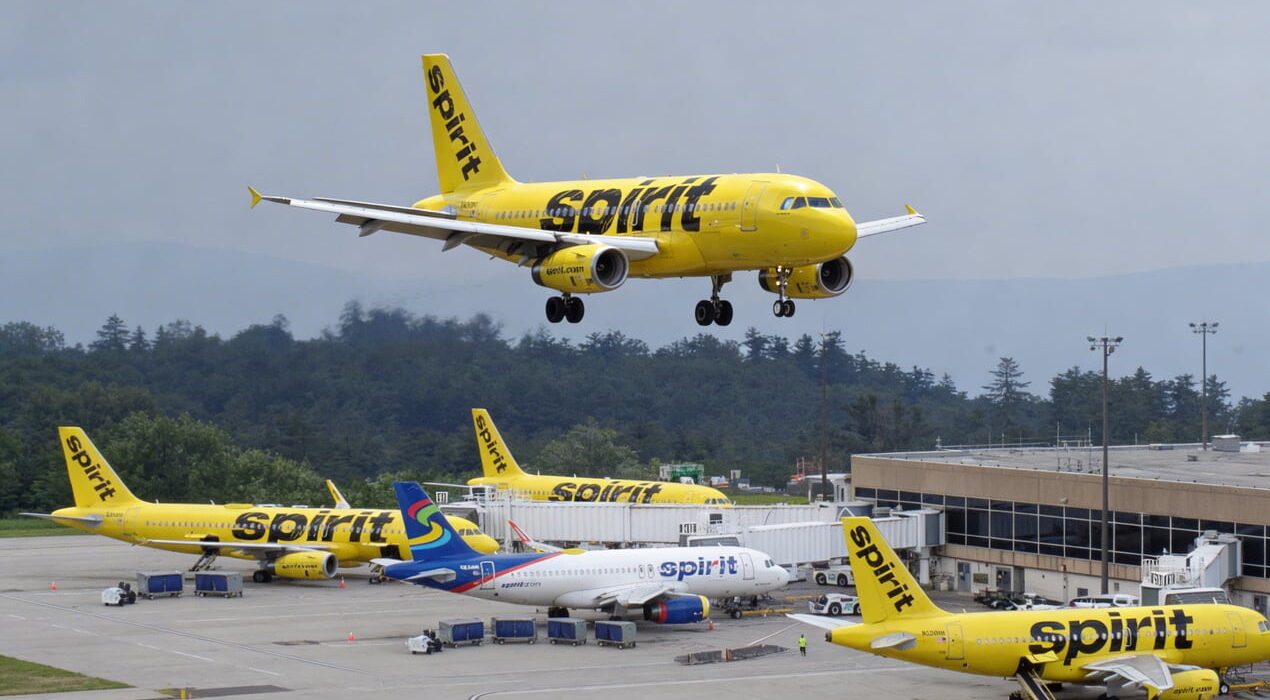
Spirit Airlines Fleet Reduction: Carrier Plans Major Post-Bankruptcy Downsizing
Spirit fleet reduction plans mark a major shift for the ultra low cost carrier. The airline wants a leaner fleet and lower debt. As a result, it hopes to stabilize operations after recent financial troubles. The parent company, Spirit Aviation Holdings, shared the plan in a new court filing. Leaders believe a smaller fleet will help the company recover and compete again.
Major Fleet Cuts After Bankruptcy
The airline entered bankruptcy protection last August. At that time, it operated about 214 aircraft. Soon after, management began trimming the fleet. For example, the company rejected leases and retired planes. As a result, the fleet dropped by nearly 100 aircraft.
Now the airline plans a deeper reduction. The goal is to operate only 76 to 80 planes by the third quarter of 2026. Most aircraft will include the Airbus A320 and the Airbus A321ceo. These models remain central to the airline’s strategy.
Aircraft Auction Moves Forward
A U.S. bankruptcy judge recently approved an auction process. The airline can now sell around 20 additional aircraft. Currently, the airline operates about 114 planes. Therefore, the sale will move the company closer to its downsizing target.
Investment firm CSDS Asset Management will act as the “stalking-horse” bidder. The firm set an initial offer of about $530 million.
Other buyers may submit higher bids before April 20. As a result, the airline hopes to secure better value for the aircraft.
Debt Reduction and Market Challenges
The restructuring plan also focuses on debt relief. Before bankruptcy, the airline carried about $7.4 billion in obligations. However, the new plan could cut that figure to roughly $2 billion. This change would significantly improve financial stability. Fuel prices remain a key concern. Costs have become harder to predict because of geopolitical tensions linked to the Iran Israel conflict. During a recent hearing, airline executives discussed these risks. Leaders explained that fuel volatility makes financial forecasts more difficult.
Still, company leadership remains optimistic. CEO Dave Davis said lenders and investors support the restructuring effort. According to him, the changes will help the airline deliver long term value for travelers.