Tech-Driven Border Overhaul: PM Shehbaz Pushes Modern Immigration Reforms
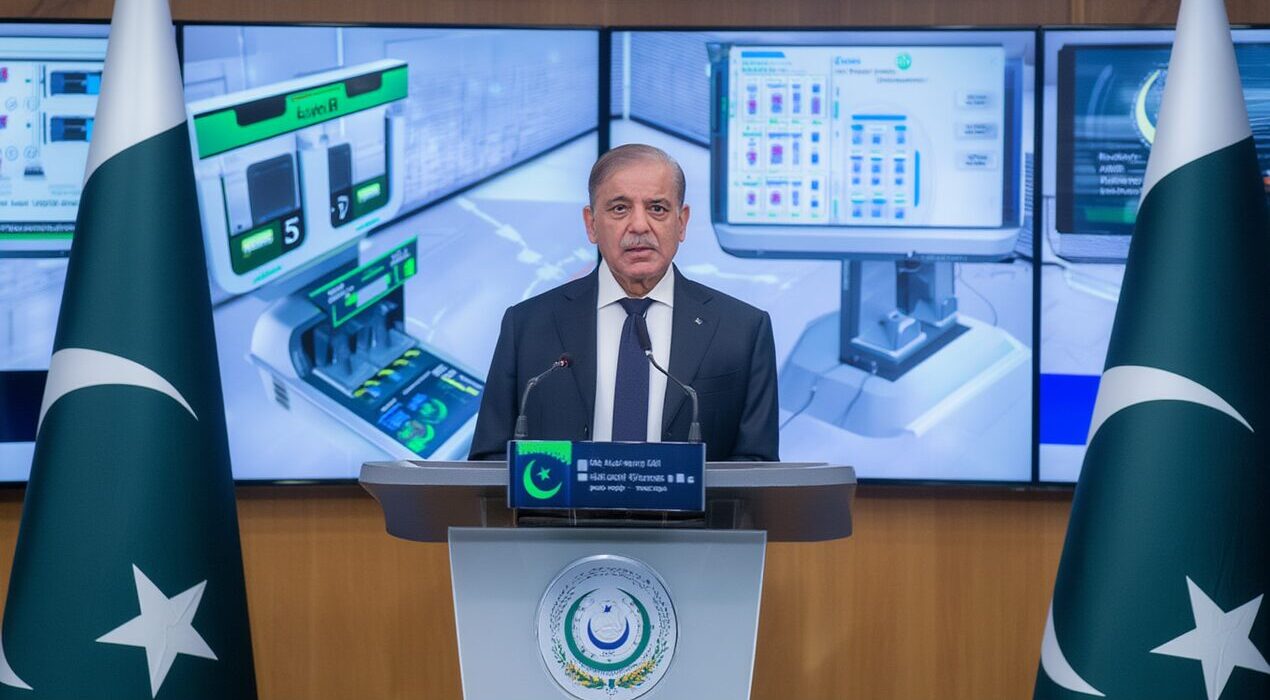
Prime Minister Shehbaz Sharif stressed the need for a tech-driven border overhaul to modernize Pakistan’s immigration system. He shared these views while chairing a review meeting in Islamabad. The meeting focused on stopping human trafficking and illegal travel abroad.
He praised institutions for recent progress. However, he urged faster use of modern technology. As a result, he emphasized protecting travelers who carry valid documents.
Crackdown on Illegal Travel Networks
The prime minister commended Interior Minister Mohsin Naqvi for visiting airports personally. He said this hands-on approach improves accountability. Therefore, he instructed officials to avoid unnecessary off-loading of legitimate passengers.
Officials briefed the meeting on enforcement actions. The FIA arrested 451 people involved in human trafficking this year. As a result, illegal travel to Europe dropped by 47 percent.
Authorities also reported fewer cases of forged documents used for travel to the UK and Gulf states. However, misuse of visit and work visas remains a concern. Most deportations involved passengers returning from Saudi Arabia, the UAE, Iraq, Malaysia, and Oman.
Technology to Protect Legal Travelers
The FIA now operates a Risk Assessment Unit. This unit screens passengers using data-driven methods. In addition, it records details of deported and illegal travelers.
Officials confirmed plans to activate e-gates at airports soon. Access to API-PNR data will help flag suspicious documents early. Meanwhile, teams are developing a mobile app for passenger data sharing.
The FIA is also restructuring its IT and IBMS sections. Authorities are using artificial intelligence to stop illegal travel more effectively.
Prime Minister Shehbaz warned against corruption. He welcomed the dismissal of 196 FIA officials after proven misconduct. Therefore, he ordered strict action to ensure transparency and efficiency.
Senior federal ministers and officials attended the meeting. They agreed that technology can secure borders while supporting safe and inclusive travel.