Teen Tobacco Europe Crisis: Girls 13–15 Lead Global Usage
Teen tobacco Europe trends show a worrying rise among young people. Recent data reveals that teenage girls aged 13 to 15 now record the highest tobacco use rates worldwide. This shift highlights growing concerns for public health experts. The findings come from the World Health Organization analysis. Researchers also note that one in seven adolescents uses vapes or e-cigarettes. Therefore, nicotine exposure is increasing at an early age.
Rising Use Among Teens
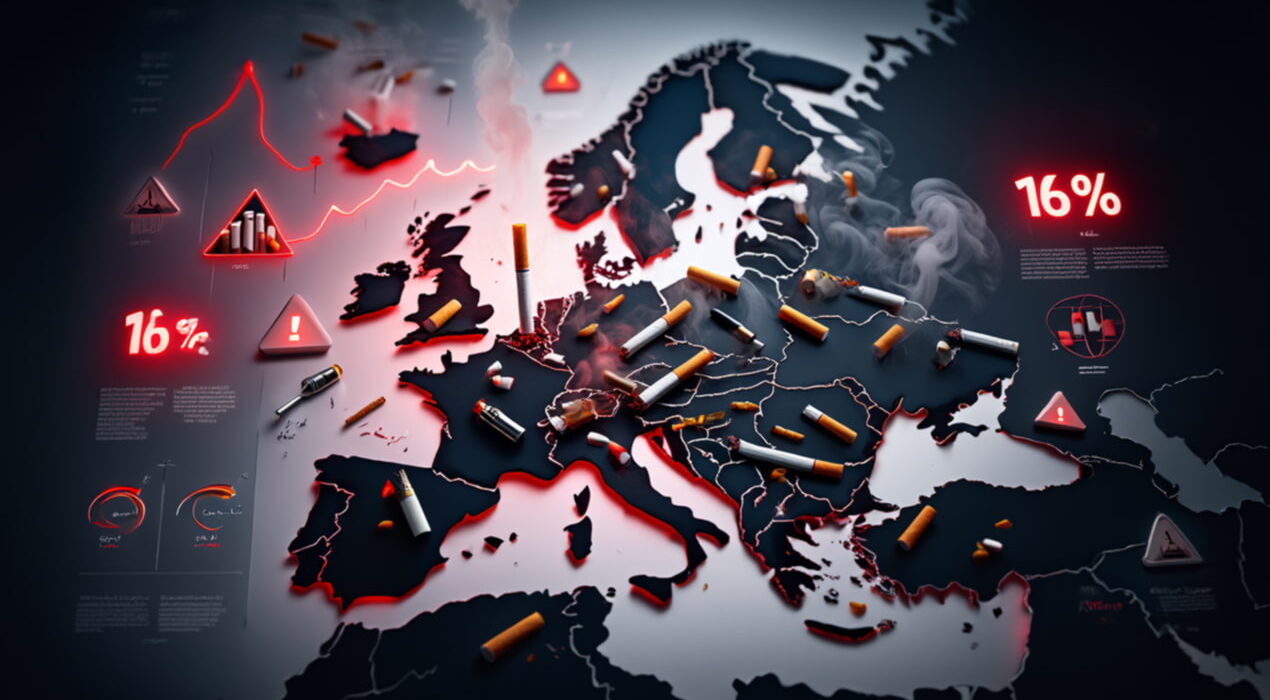
Across Europe, about 4 million teens aged 13 to 15 use tobacco products. In addition, flavored options attract younger users quickly. However, many underestimate the serious health risks linked to these products.
Tobacco causes around 1.1 million deaths in Europe each year. As a result, early prevention becomes essential. Families, schools, and communities must work together to guide young people.
Industry Influence and Response
Experts warn that targeted marketing drives youth interest. For example, social media campaigns and flavored products increase appeal. Therefore, stronger regulations can help reduce exposure.
According to WHO Europe director Hans Kluge, urgent action is needed. Countries like Belgium, Denmark, and the Netherlands already enforce strict rules. In contrast, many nations still lack full smoke-free laws and advertising bans.
Why Action Matters
Only a third of countries have complete smoke-free protections. Moreover, just a quarter ban tobacco advertising fully. This gap allows harmful products to reach young audiences easily. Kristina Mauer Stender from WHO Europe also highlights the urgency. She explains that progress may reverse without stronger policies. Furthermore, applying strict tobacco control measures to new products will protect young people and support long term public health goals.
Experts stress that policies must evolve with new nicotine products. In conclusion, teen tobacco Europe patterns demand immediate attention. Protecting youth today will secure a healthier future for everyone.
Global cooperation remains essential to address the crisis.