TikTok Addiction Reshapes Your Brain, Experts Warn
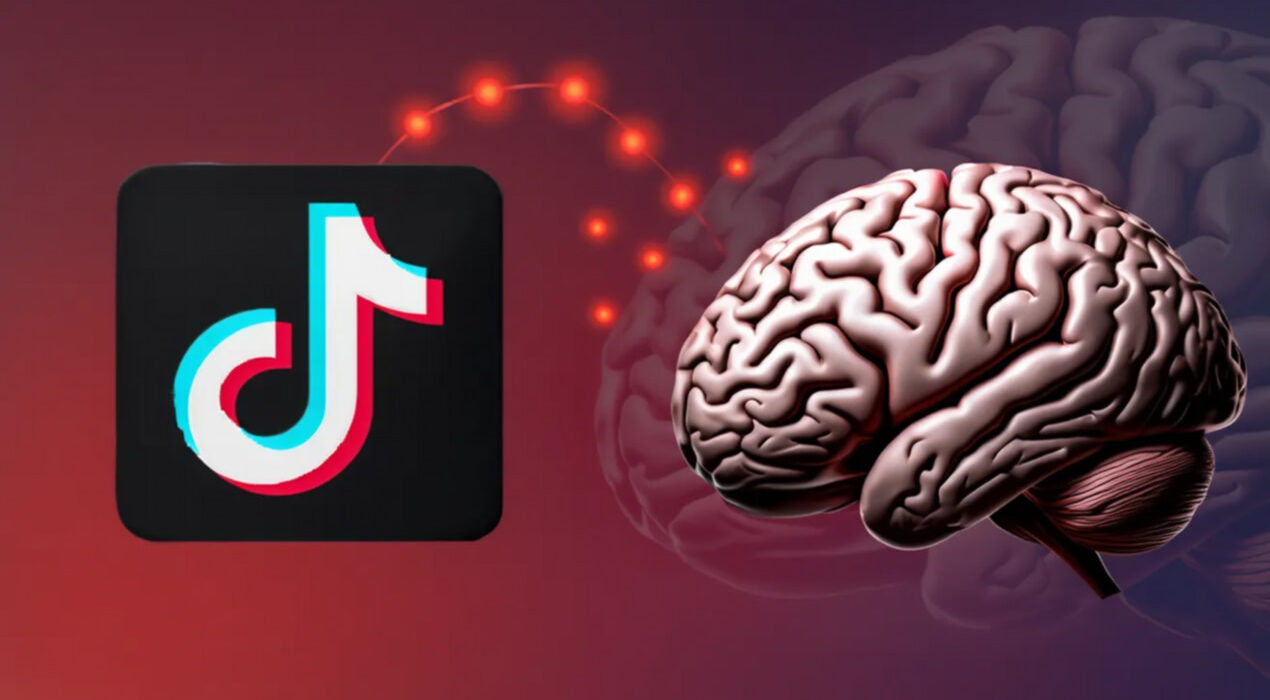
New research reveals that TikTok addiction physically reshapes your brain and affects your ability to focus. Scientists have discovered that heavy TikTok users show brain changes similar to those found in people addicted to drugs. Brain scans show that the orbitofrontal cortex, which controls pleasure and reward, becomes enlarged. This change drives users to crave more short videos for instant satisfaction. In addition, the cerebellum, which manages emotions, also grows in size. As a result, people may feel more anxious or restless when they are not using the app. TikTok’s endless stream of fast, stimulating clips acts like a dopamine slot machine, rewarding the brain repeatedly and making daily life feel dull in comparison.
TikTok’s Impact on Focus and Emotions
Studies show that students who use TikTok heavily have attention spans as short as eight seconds. They also scored forty-three percent lower on focus tests. Many reported struggling to read books, study, or watch full movies without losing concentration or feeling bored. Over time, the brain begins to expect constant excitement. Therefore, quiet moments or slower activities feel uncomfortable. TikTok’s design trains your brain to seek quick rewards, weakening your patience and focus in real life.
How to Reclaim Control
The good news is that your brain can recover. Start by deleting TikTok for thirty days to reset your brain chemistry. Then, practice short focus tasks like reading, journaling, or meditating for five minutes a day. Gradually increase your time as your focus improves. Also, replace scrolling with physical activities such as walking, stretching, or exercising outdoors. These habits restore balance and reduce digital cravings. By limiting screen time and staying mindful, you can rebuild attention, boost mood, and enjoy real experiences again.