Tokyo Soba Shop Sparks Controversy Over Japanese Restaurant Tourism Policy
Some restaurants in Japan happily welcome tourists. Other establishments feel differently entirely. One major chain shop recently posted a sign asking tourists to stay away. The plea renewed debate over managing travelers effectively. It addresses concerns that tourists crowd out essential services for locals. Japanese Restaurant Tourism presents unique challenges for businesses in densely populated urban centers.
Prioritizing Locals and Cultural Conflict
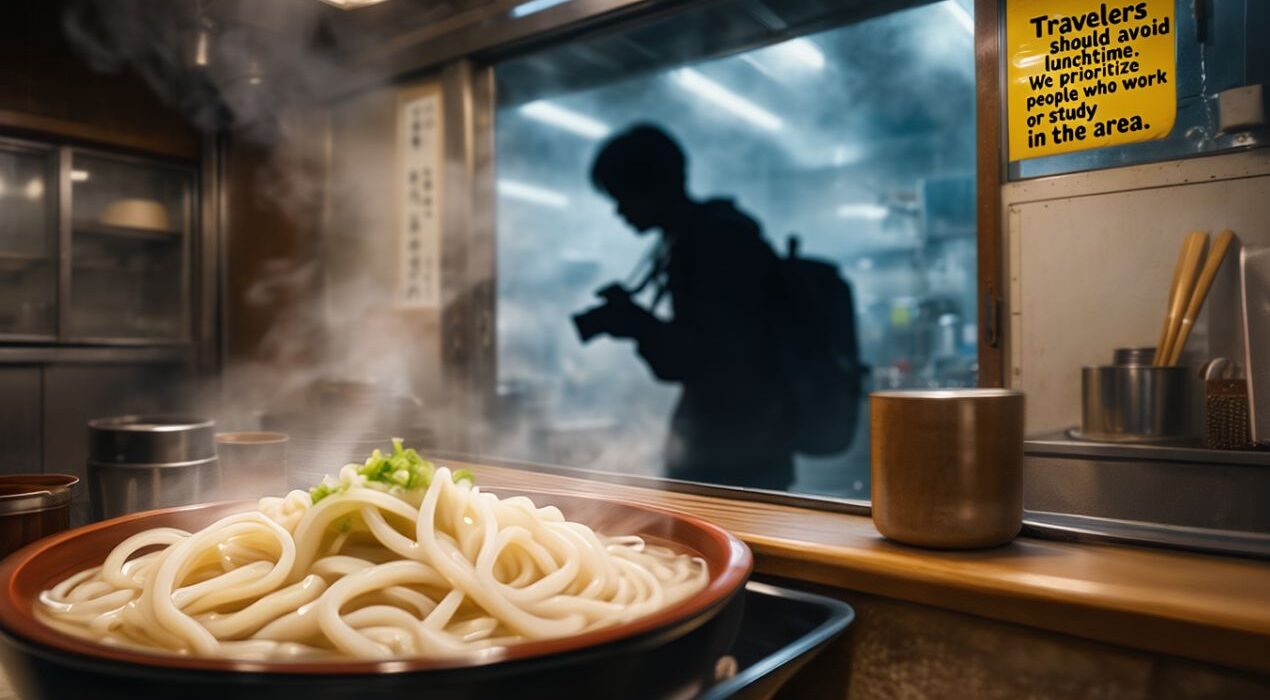
The controversial sign appeared at a Fuji Soba store in Kamiyachō, Tokyo. The store traditionally serves business-oriented clientele primarily. The area is packed with large corporate skyscrapers quickly. However, the store’s proximity to hotels means tourists now frequent the shop. These travelers flock to local spots seeking “authentic” experiences quickly.
The Kamiyachō store decided to take action immediately. It put up a sign in multiple languages. The sign read, “Travelers should avoid lunchtime.” It added, “We prioritize people who work or study in the area.” Many online comments supported the policy strongly. They emphasized that workers often have only 10 to 15 minutes to eat lunch.
Business Reality and Management Response
Many Japanese fast-food shops require high customer turnover. They keep prices low to remain affordable for local workers. Banning tourists at lunch would likely not negatively impact revenues. Some locals complained tourists do not understand the “eat and leave” culture. They argued Western tourists, in particular, prefer long, leisurely meals consistently.
Daitan, the company running Fuji Soba, issued an apology eventually. A representative stated the Kamiyachō Store put up the sign independently. The company ordered the store to take the sign down immediately. They called the incident a result of “ineffective management.” Some users suggested a better approach. They proposed posting signs explaining local customs and expectations instead.