Travel Surges as Over 50 Chinese Cities Embrace New Spring Holiday
Travel is surging across China this spring. Over 50 cities have embraced a new government-mandated spring break. The holiday began on April 1 this year. It combines with the traditional Qingming Festival holiday. Families now enjoy a continuous six-day break.
The new policy aims to boost tourism and domestic consumption. This year’s Government Work Report proposed the idea. It recommended spring and autumn breaks for primary and secondary schools. Paid staggered leave for employees was also part of the plan.
Strong Demand Across Provinces
Eight provinces are implementing the new breaks. These include Shandong, Hunan, Zhejiang, and Sichuan. Many families set off for their vacations on March 31. Data from travel platform Qunar confirmed the early start.
Hotel occupancy rates in popular cities almost tripled yesterday. This compares with the same day last year. Families are checking into accommodations across the country. Air travel from provinces with the new break also saw a notable rise.
Many regions have introduced spring holiday “packages.” These include preferential measures for travelers. Lower admission fees and transportation subsidies are common. Consumer vouchers are also part of the offerings. These incentives have pushed more families to travel.
Top Destinations and Industry Impact
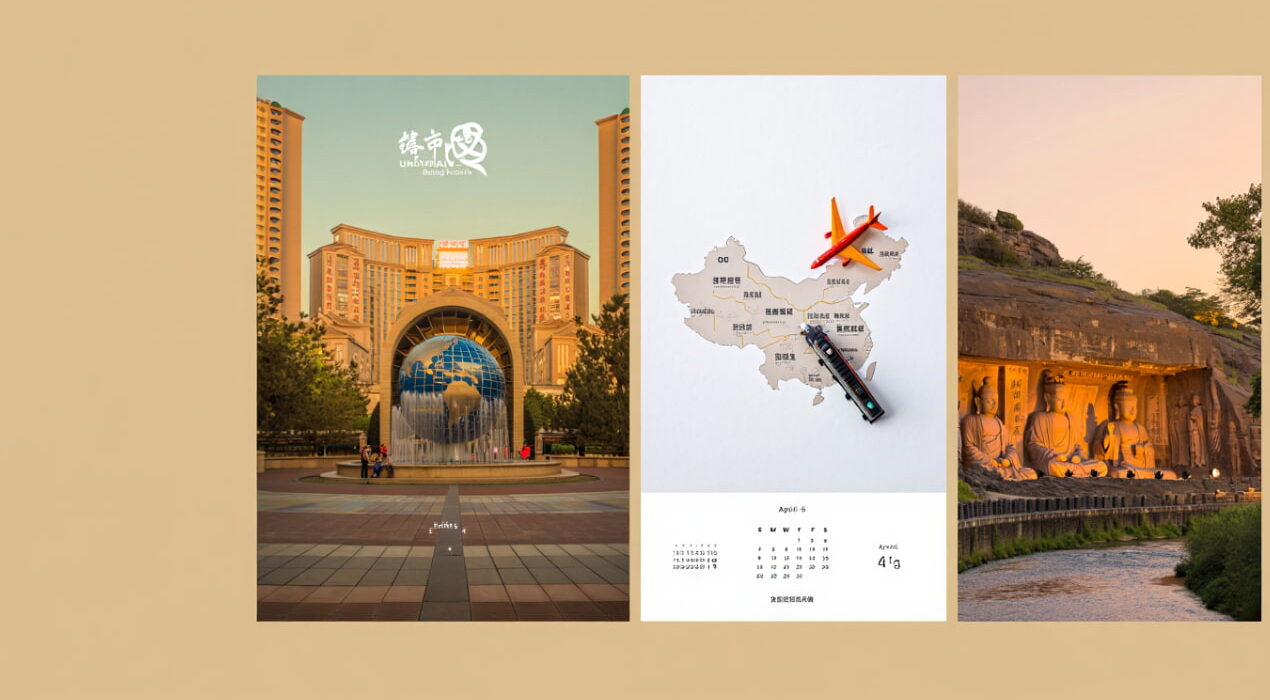
Qunar released its list of top scenic spots for April 1. Universal Beijing Resort topped the ranking. Shanghai Disney Resort came in second. Other popular destinations include the Longmen Grottoes in Luoyang. Taihu Lake Yuntouzhu Scenic Area in Wuxi also made the list. Slender West Lake in Yangzhou and Hongshan Forest Zoo in Nanjing followed.
Industry insiders note significant changes in travel patterns. The spring break policy has stimulated holiday consumption. It has also driven the overall spring tourism market. People are expanding their travel horizons. Long-distance travel consumption potential has increased as a result.
The new holiday structure represents a shift in Chinese tourism policy. By creating longer breaks, authorities hope to encourage domestic travel. Early data suggests the strategy is working. Hotel bookings and air travel are both up significantly.