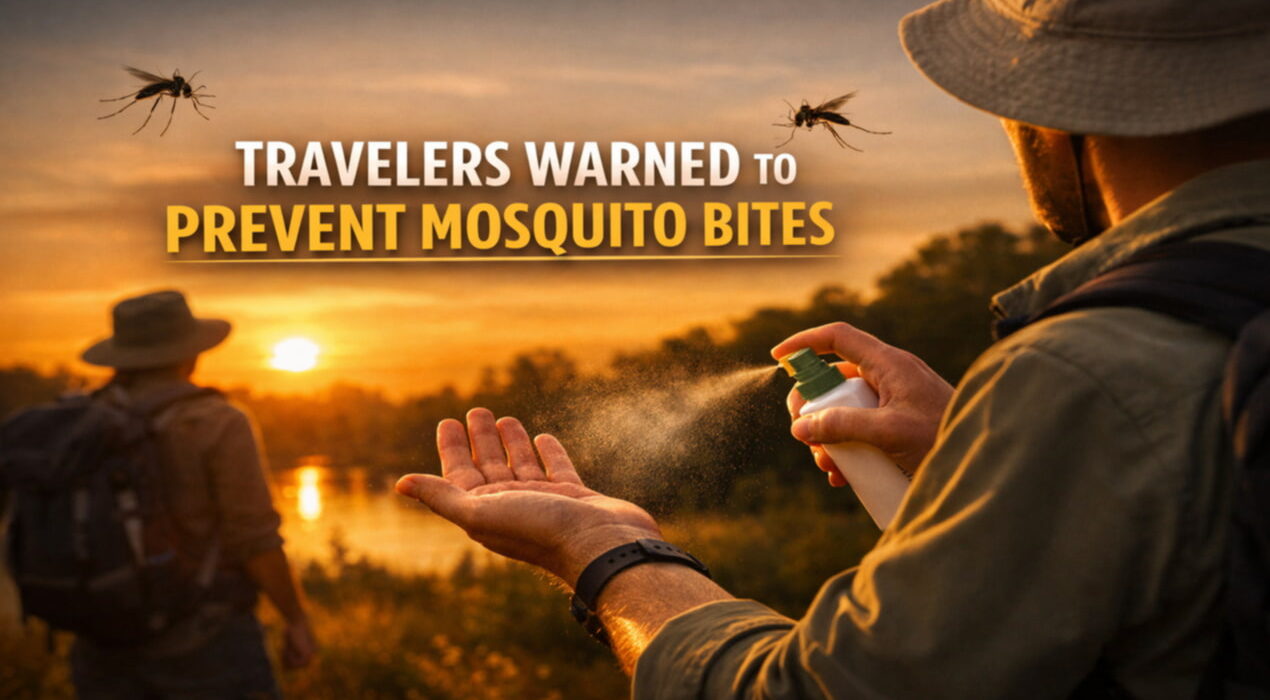
Travelers Warned to Prevent Mosquito Bites
Travelers are being urged to protect themselves against mosquito-borne diseases during the upcoming Easter and spring travel period. New data from the UK Health Security Agency (UKHSA) shows dengue cases fell in 2025. However, chikungunya infections rose by 43%, and malaria remains high among returning travelers. Taking precautions is essential to stay safe abroad.
Rising Chikungunya and Ongoing Malaria Risks
In 2025, England reported 159 chikungunya cases, and Wales reported one. Most infections occurred in London, with the majority linked to Sri Lanka, India, and Bangladesh. Symptoms include sudden fever and joint pain, which can last months or even years. Serious complications are rare, but very young, older adults, and those with underlying conditions face higher risk. Malaria cases also remain significant, with 1,629 cases recorded in 2025. Travelers should follow advice on antimalarial medication and mosquito avoidance.
Vaccines and Protective Measures
Two chikungunya vaccines are now available privately in the UK after a healthcare assessment. Experts recommend using DEET-based repellent, wearing long clothing, and sleeping under insecticide-treated bed nets. Planning outdoor activities outside peak mosquito hours, at dawn and dusk, can further reduce exposure. Families with children should pay special attention to protective clothing and safe repellents.
Global Trends and Travel Advice
Globally, dengue infections decreased to 344 in 2025 from 904 in 2024, while Zika cases fell to seven. Cholera and Oropouche virus infections were also reported among travelers, but numbers remained low. Checking local travel health advice is crucial before departure. Staying informed and taking simple precautions ensures safer trips and protects both travelers and local communities.