Türkiye Tourism Shines with Strong Domestic Travel for Eid
Türkiye’s tourism sector is showing remarkable strength this Eid. Despite regional instability, domestic travel is thriving. Hoteliers forecast an impressive 80% occupancy rate for the holiday. This surge is driven largely by last-minute bookings from within the country.
International markets, particularly from the Middle East, have seen cancellations. However, industry experts remain optimistic. They point to Türkiye’s robust tourism infrastructure and its strong domestic appeal.
Antalya and Cappadocia Lead the Way
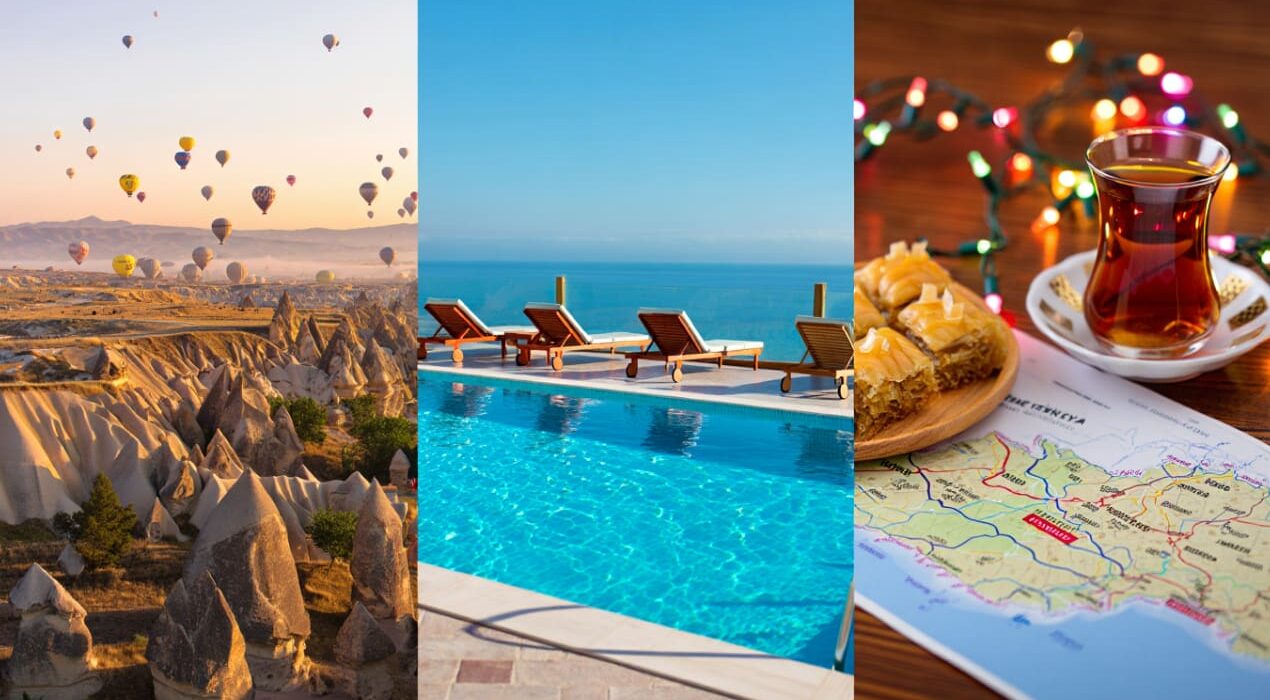
Antalya, a top tourist destination, is preparing for a busy season. Its sunny weather, beaches, and excellent facilities continue to draw domestic travelers. Kaan Kavaloğlu, head of AKTOB, shared this positive outlook. He emphasized the sector’s focus on safety and sustainability this year. This approach is especially important amid uncertainty in surrounding regions.
Cappadocia is also reporting strong domestic demand. The region, famous for its landscapes and hot-air balloon rides, has reached 75% occupancy ahead of Eid. Teyfik Ölmez, president of KAPTİD, expects a fully booked season. He believes last-minute bookings will fill the remaining rooms. Despite some cancellations due to the war, the outlook is positive.
International Travel Faces Challenges
While domestic travel booms, international bookings have dipped. The geopolitical situation in the Middle East is the main cause. Dubai, once a major source of visitors, has seen all reservations canceled. Sedat Kılıç of Tatilsepeti confirmed this unfortunate trend. Travelers from the Gulf region are now shifting their focus. Many are choosing European destinations or Egypt as alternatives.
Despite this, Kılıç remains optimistic. He notes that travel demand itself is still strong. Preferences are simply shifting due to the current climate. Travelers without visa issues are seeking out other warm-weather options.
Safety and Sustainability as Key Pillars
Türkiye’s strategic focus on safety is paying off. The government ensures tourist safety with ongoing efforts. This, combined with strong infrastructure, keeps Türkiye competitive. Many international travelers now prefer destinations where they feel secure.
Sustainability is another critical focus. Hotels in Antalya are adopting environmentally friendly practices. This resonates with eco-conscious travelers. It provides long-term benefits for local communities and the industry. Mustafa Kemal Çubuk of TatilBudur confirms this strength. He states that Türkiye’s secure infrastructure ensures holiday plans can continue.
In conclusion, Türkiye’s tourism sector is proving resilient. Domestic travel is powering the industry through external challenges. Top destinations like Antalya and Cappadocia are thriving. The focus on safety, sustainability, and quality experiences is key. As Eid approaches, the outlook remains positive. Visitors are finding safe, reliable, and beautiful places to celebrate.