US Iran Ceasefire Timeline: How Diplomacy Led to a Two-Week Truce
The US Iran ceasefire timeline highlights how diplomacy ended weeks of intense conflict. The United States and Iran agreed to a two-week truce after rising tensions. Notably, Pakistan played a key role in backchannel talks.
Escalation and Rising Threats
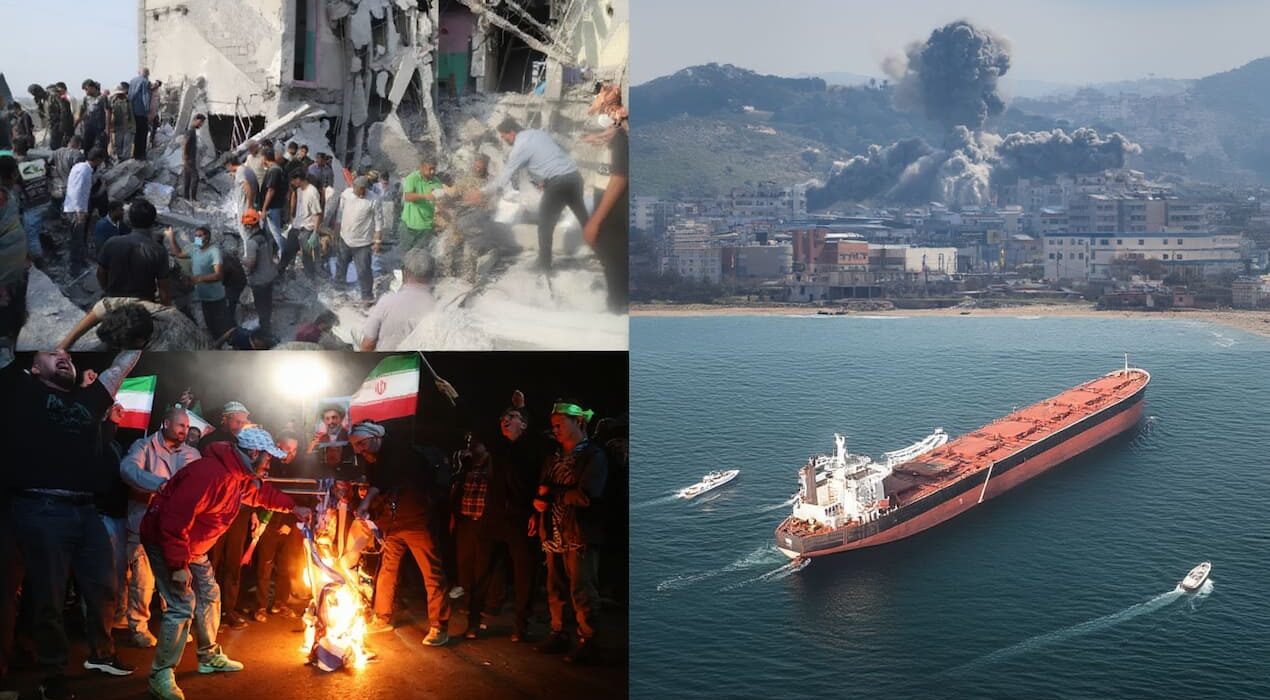
The conflict began after joint strikes by the United States and Israel on February 28. These attacks triggered a wider regional crisis. As a result, Iran launched retaliatory strikes across several Gulf countries.
Tensions quickly escalated with threats from Donald Trump. He warned of massive destruction if Iran refused demands. Meanwhile, Iran responded through diplomatic channels, including messages sent via Pakistan.
In addition, violence caused heavy casualties in Iran. Authorities reported thousands dead and injured. Many schools and civilian sites also suffered damage.
Diplomacy and Ceasefire Breakthrough
However, diplomacy gained momentum as Pakistan intensified mediation efforts. Shehbaz Sharif publicly urged restraint and dialogue. At the same time, regional leaders held urgent talks to prevent further escalation.
Pakistan requested a two-week extension to allow negotiations. Therefore, the United States agreed to pause attacks. Iran also signalled readiness to halt defensive operations under certain conditions.
A key condition involved reopening the Strait of Hormuz. This route is vital for global energy supplies. Consequently, both sides accepted temporary terms to ease tensions.
The agreement created space for further dialogue and long-term solutions. As a result, the US Iran ceasefire timeline reflects both conflict and cooperation. It also shows Pakistan’s growing diplomatic influence in the region.