US-Israel Iran Conflict Disrupts Global Business, Energy Prices and Trade Routes
The US-Israel Iran conflict is sending shockwaves through global business. Companies now face rising energy costs and disrupted supply chains. As a result, many industries worry about higher inflation and slower trade. Businesses depend on stable trade routes and affordable energy. However, the expanding conflict in the Middle East is creating new risks for companies worldwide.
Trade Routes and Transport Face Disruption
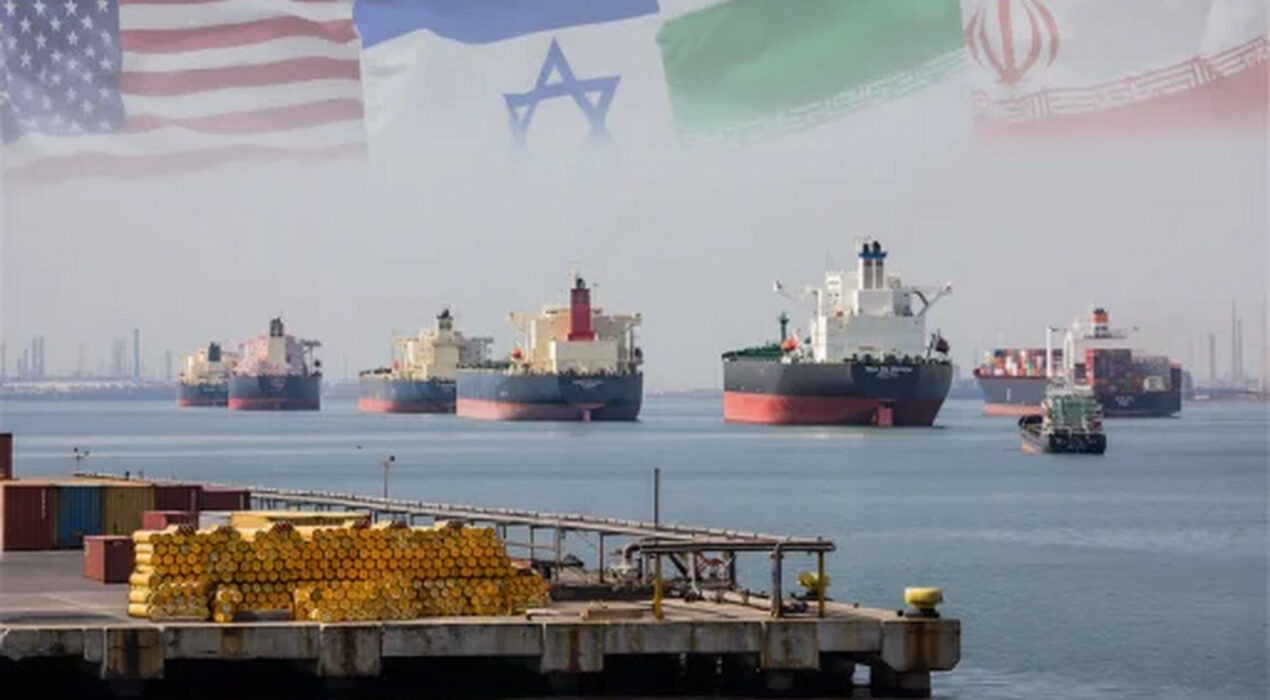
The conflict has already disrupted key air and sea routes across the Middle East. These corridors are vital for global commerce. For example, shipping through the Strait of Hormuz has slowed sharply. This route normally carries about one fifth of the world’s oil. Iran responded to US and Israeli strikes with drone attacks. As a result, shipping activity dropped and insurers raised concerns. In addition, major air routes over the Gulf region have temporarily closed. Consequently, logistics firms now face delays and higher transport costs.
Rising Energy Prices Pressure Companies
Energy markets reacted quickly to the conflict. Oil and gas prices surged within days. Brent crude prices climbed close to $90 per barrel. Although this remains below levels seen after the Russian invasion of Ukraine, it still raises costs for businesses. Higher fuel prices also affect consumers. In the United States, the average gasoline price rose to $3.32 per gallon. Only a week earlier, it stood near $2.98. Therefore, companies across industries now worry about shrinking profit margins.
Manufacturers and Industries Feel the Impact
Several large manufacturers have already voiced concern. For instance, Young Liu, chairman of Foxconn, warned the impact could spread widely. Foxconn builds electronics for major tech firms like Nvidia. According to Liu, prolonged disruption would eventually affect everyone. Meanwhile, European industries remain especially vulnerable. Many companies still struggle after the 2022 energy crisis.
The IW German Economic Institute estimates that oil prices reaching $100 could reduce Germany’s GDP growth. Over two years, losses may reach about €40 billion. Energy intensive sectors such as chemicals and manufacturing face the greatest risk. Some businesses are already taking steps to manage rising costs. For example, Campari Group secured long term energy contracts. These agreements help protect the company from sudden price spikes.
Similarly, Reckitt Benckiser hedged about 55% of its oil and gas exposure for 2026.
However, not every firm has this protection. French industry group Uniden reported that some factories already slowed production because of higher gas prices. Airlines also face challenges. Budget carrier Wizz Air warned the war could cut its 2026 net profit by around €50 million.
Global Business Faces Uncertainty
The conflict adds another layer of stress for global companies. Many businesses already struggle with trade tensions and supply chain shifts. If the situation continues, transport disruptions and energy volatility could spread further. As a result, companies, investors, and policymakers will watch developments closely. For now, the US-Israel Iran conflict remains a major risk for the global economy.