Venezuela’s Crisis Threatens South America’s Fragile Tourism Revival
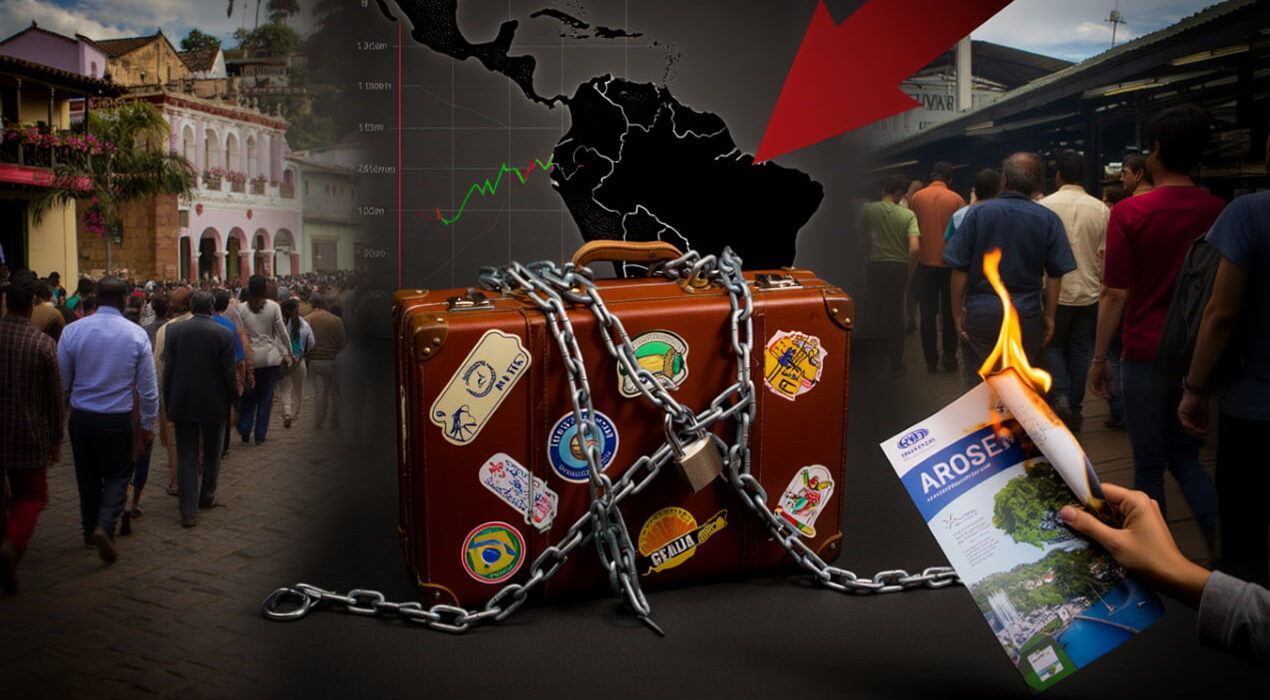
Just as the continent’s vital tourism industry shows signs of a robust post-pandemic recovery, a renewed and escalating crisis in Venezuela is emerging as a formidable new threat. The combination of political instability, severe economic collapse, and a resulting mass migration crisis is creating regional instability that risks deterring international visitors and straining the resources of neighboring countries.
While nations like Brazil, Colombia, Peru, and Argentina have invested heavily in marketing campaigns and infrastructure to welcome back travelers, experts warn that perceptions of regional instability can override individual destination appeals. The ongoing situation in Venezuela, marked by hyperinflation, shortages of basic goods, and political tensions, contributes to a broader narrative of uncertainty that can influence tourist decision-making on a continental scale.
The Ripple Effects: Migration and Resource Strain
The most direct impact is felt in neighboring countries grappling with a historic exodus of Venezuelan migrants and refugees. Nations such as Colombia, Ecuador, Peru, and Chile have received millions of Venezuelans fleeing the crisis.
This influx places immense pressure on local social services, healthcare systems, and job markets. In key tourist regions, this strain can manifest in increased informal street vending, overcrowded public spaces, and stretched public safety resources—factors that can alter the visitor experience and perceptions of safety.
Furthermore, the humanitarian crisis has, in some border areas, coincided with increases in crime and smuggling activity, further complicating security challenges. While many countries have managed the situation with commendable effort, the persistent strain threatens to undermine the stable and welcoming environment essential for tourism growth.
Geopolitical Tensions and Travel Advisories
Beyond migration, Venezuela’s geopolitical flashpoints pose another risk. Border disputes, such as the long-standing contention with Guyana over the Essequibo region, introduce an element of political uncertainty to northern South America.
Such tensions can lead to heightened military presences and diplomatic friction, which in turn may trigger updated travel advisories from foreign governments. Cautious advisories, even if focused on specific border zones, can cast a wider pall over regional travel plans, causing tourists to reconsider itineraries that include neighboring countries.
A Continental Challenge Requiring a Coordinated Response
Industry leaders and analysts argue that containing the fallout from Venezuela’s crisis is not a challenge for any single country but a continental priority. The health of South America’s tourism sector—a major employer and source of foreign currency—is now partially tethered to the resolution of a protracted national emergency.
The situation presents a complex paradox: while countries work independently to market their unique attractions, they remain collectively vulnerable to a crisis emanating from a single, struggling nation. The path to a sustained tourism revival may now depend as much on regional diplomacy and support for stability as on vibrant advertising campaigns.