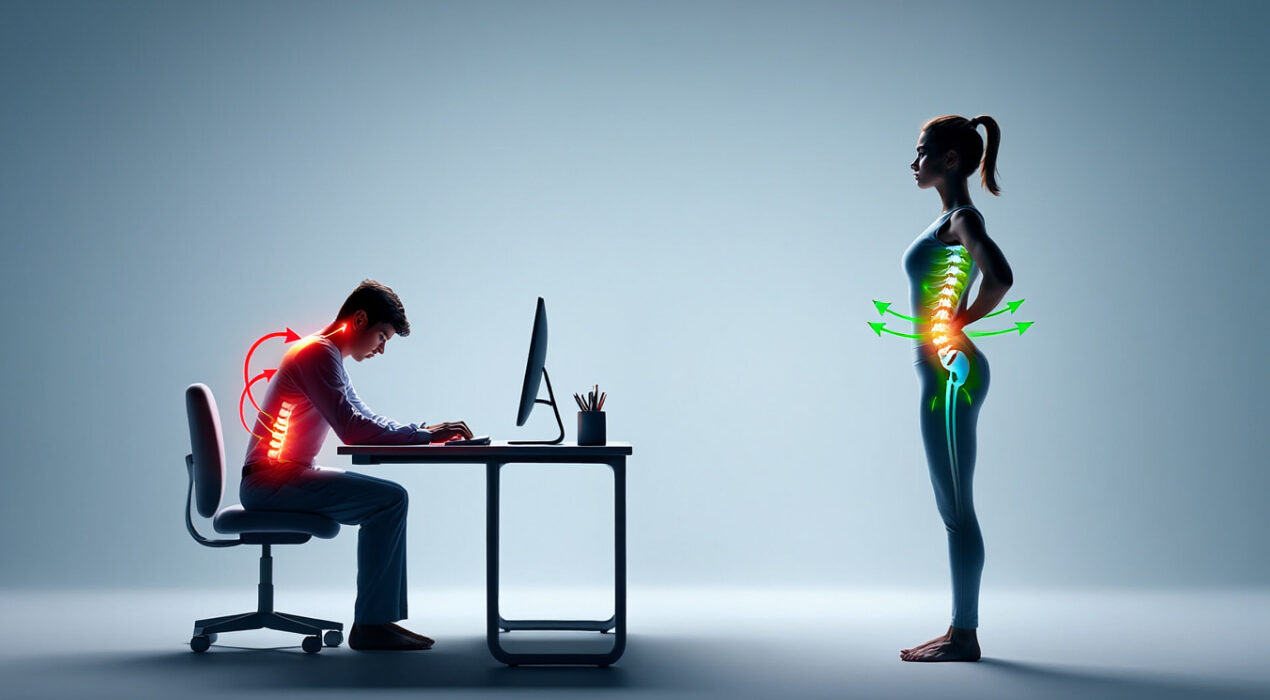
Why 80% of Adults Experience Back Pain: Lifestyle and Prevention Tips
A startling statistic highlights a common global health issue. Experts report that approximately 80% of adults will suffer from back pain at some stage in their lives. For most, the root cause is not a sudden injury but the cumulative effect of daily lifestyle habits and work routines.
This widespread problem is often preventable. Understanding the primary triggers is the first step toward building a stronger, more resilient back and reducing the risk of chronic pain.
The Primary Culprit: Repetitive Work and Muscle Imbalance
A leading cause of back pain is repetitive physical work. Jobs that require continuous, one-sided movements or prolonged static postures create significant strain. In these scenarios, some muscles are overworked while others go completely unused.
This imbalance leads to tight, stiff muscles and severely limits joint mobility. Over time, this repetitive stress weakens the supportive structures of the spine, making it vulnerable to pain and injury during everyday activities.
Exercise is Essential, But Not All Exercise is Equal
Experts emphasize that general physical activity or sports alone are not sufficient for prevention. The key is targeted exercise that counteracts the negative effects of a sedentary or repetitive lifestyle.
For individuals who sit for long periods, specific physical movement is non-negotiable. It is crucial to break up sedentary time with stretches and exercises that activate and strengthen the core and back muscles.
A Proactive Plan for a Healthier Back
Preventing back pain requires a consistent, proactive approach focused on balance and strength.
1. Build Strength and Flexibility: Engage in exercises that specifically strengthen and increase the flexibility of your muscles at least three days a week. Focus on the core, back, and leg muscles.
2. Move Throughout the Day: If you have a desk job, set a timer to stand, stretch, or walk for a few minutes every hour.
3. Adopt a Balanced Lifestyle: Combine regular, targeted exercise with proper posture, ergonomic workspaces, and stress management. A holistic approach is the most effective defense.
By making these preventive measures a regular part of your routine, you can significantly reduce your risk of joining the 80% and maintain a healthy, pain-free back for years to come.