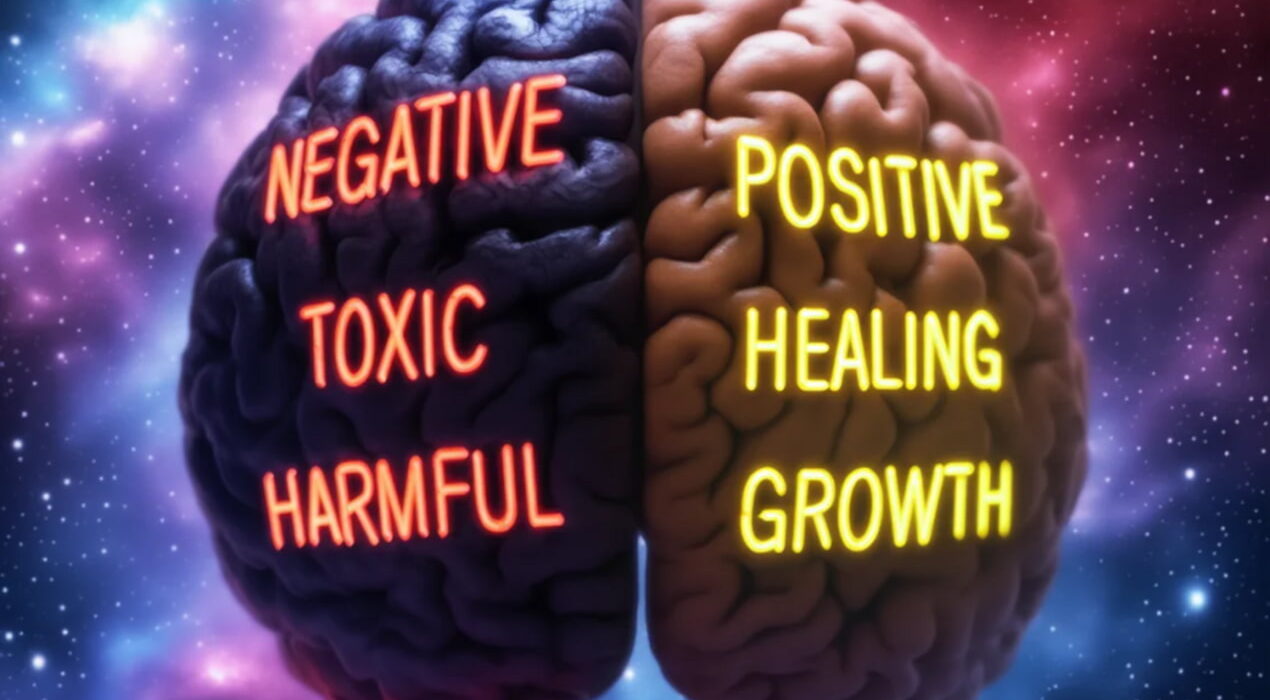
Why Your Brain Remembers Insults for Years but Forgets Compliments Fast
Many people wonder why a single insult can linger in the mind for years, while a compliment fades within weeks. Neuroscientists say this happens because of a phenomenon called “negativity bias.” It means the human brain remembers negative experiences much longer than positive ones.
This bias developed as a survival tool. Early humans needed to remember dangers to stay alive. However, in modern life, it often works against us. Instead of protecting us, it keeps emotional pain fresh for far too long. For example, harsh words or criticism can replay in your mind, affecting mood and confidence for years.
Why Your Brain Holds on to Negativity
Research shows that insults trigger intense electrical activity in the amygdala, the brain’s emotional center. This area helps us detect and react to threats. Therefore, when someone criticizes you, your brain treats it as danger and records it deeply. Compliments, however, activate the brain’s reward centers only briefly. As a result, those positive memories fade faster over time.
How to Rewire Your Thinking
Experts believe you can train your brain to balance this bias. Practicing gratitude and positive self-talk strengthens emotional resilience. For instance, writing down good things that happen each day can make your brain more alert to positivity. In addition, focusing on acts of kindness and appreciation helps rewire your mental patterns. Over time, this builds a stronger sense of well-being.
By understanding how negativity bias works, you can take small, mindful steps to protect your peace. Your brain may be wired for survival, but with awareness, you can teach it to remember the good just as long as the bad.