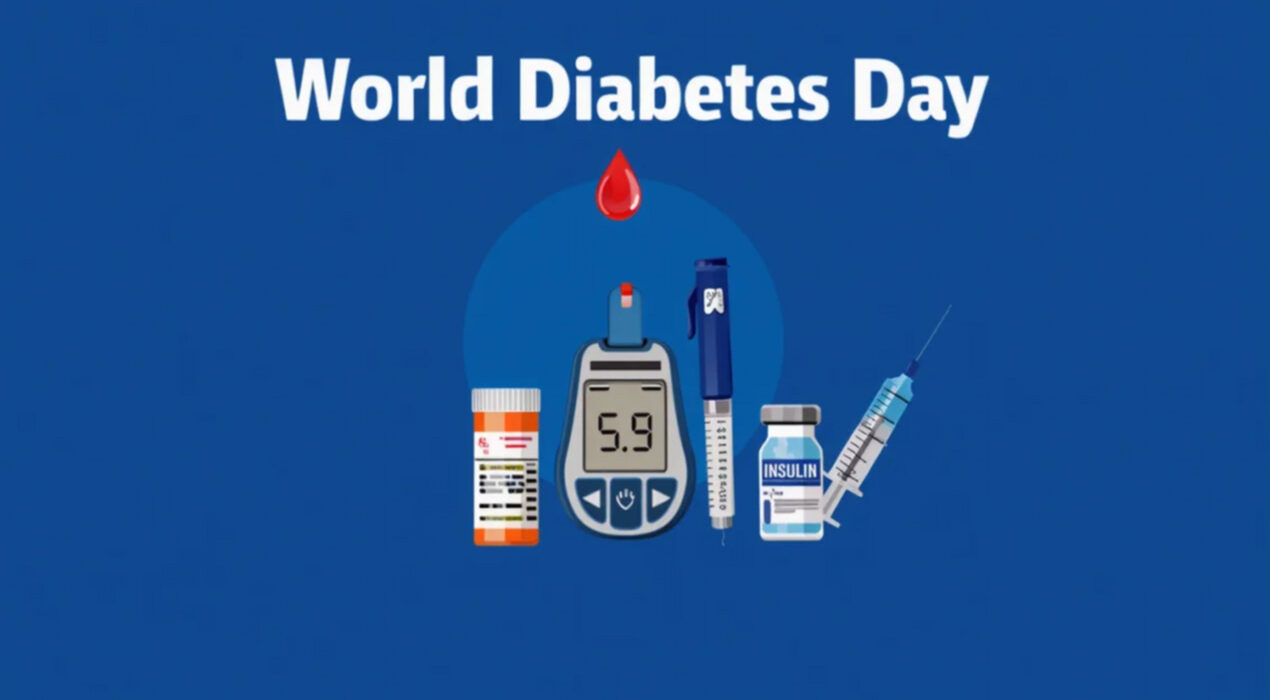
World Diabetes Day: Pakistan’s Workplace Diabetes Bias Crisis
World Diabetes Day highlights the growing workplace diabetes bias faced by Pakistanis, including children.
New research shows widespread discrimination at work, raising concerns about the future workforce.
The International Diabetes Federation’s latest survey ranks Pakistan among the countries with the highest workplace bias.
About sixty-eight percent of employees report negative treatment, making this a societal issue.
Pakistan already carries a heavy diabetes burden, with millions diagnosed and many undiagnosed.
However, the crisis begins early as childhood cases continue to rise, demanding urgent attention.
Experts report more Type 2 diabetes in urban children due to poor nutrition and sedentary lifestyles.
These children will need supportive workplaces and strong protections as they grow into adults.
Yet recent findings reveal that many employees consider quitting due to stigma and barriers to care.
Those with Type 1 diabetes, the form most common in children, face even worse treatment.
Many are denied breaks for glucose checks or insulin administration, which are essential for survival.
As a result, adults often hide their condition, creating further challenges in the workplace.
Workplace Barriers
Employers must adopt inclusive measures, for example flexible schedules and private monitoring spaces.
In addition, workplaces should enforce strict nondiscrimination policies that support diabetes management.
Such steps improve wellbeing and strengthen productivity, reducing long-term costs for Pakistan.
A Call for Inclusion
On this World Diabetes Day, Pakistan must acknowledge diabetes as a medical and social challenge.
Therefore, inclusive care and fair workplaces must protect every child and adult nationwide.
No one should hide their condition, and workplaces must empower healthier, stigma-free communities.