Zelensky Energy Strikes: Ukraine Links Attacks to Russia’s Actions
The Zelensky energy strikes debate has taken a new turn. Volodymyr Zelensky said allies asked Ukraine to reduce attacks on Russia’s energy sector. However, he added that any pause depends on Russia stopping first.
Ukraine Signals Conditional Pause
He shared this message through a voice note to journalists. According to him, Ukraine acts in response, not escalation. Therefore, any change would require mutual restraint.
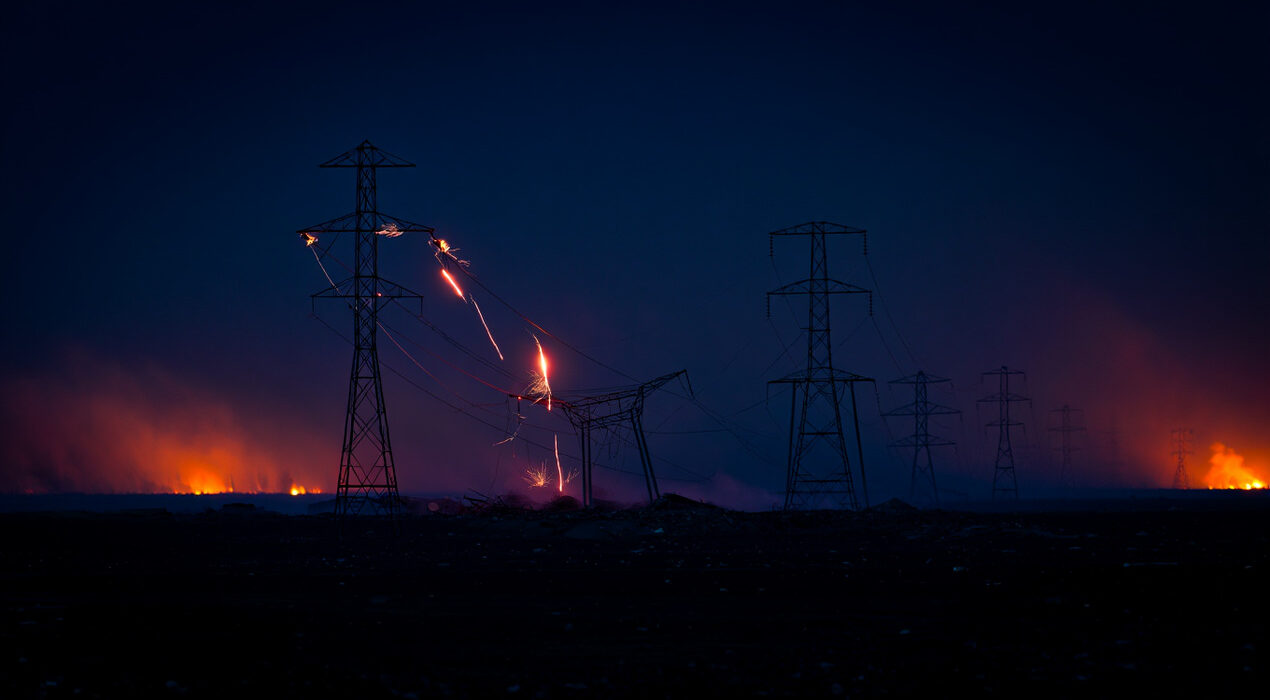
Zelensky explained that Ukraine targets energy sites only after facing similar strikes. In addition, he stressed that protecting national infrastructure remains a priority. This approach shows a defensive stance rather than aggression.
Global Energy Concerns Grow
The Zelensky energy strikes issue connects closely to global fuel concerns. Countries like China and India rely heavily on Russian oil. Meanwhile, parts of European Union depend on Russian gas supplies.
Recent Ukrainian strikes hit key facilities, including the oil terminal at Ust-Luga. As a result, energy markets have felt increased pressure. Prices have also risen due to wider geopolitical tensions.
For example, conflict involving Iran has disrupted shipping routes. The Strait of Hormuz remains critical for global oil flow. Any disruption there quickly affects worldwide supply.
The United States has responded by easing some sanctions on Russian oil. This move aims to stabilise markets. However, it also highlights the delicate balance between politics and energy needs.
According to the Centre for Research on Energy and Clean Air, China and India bought most Russian crude in February. They accounted for about 85% of exports.
In conclusion, the Zelensky energy strikes situation reflects both military and economic tensions. While Ukraine seeks fairness, global markets demand stability. Therefore, future decisions may shape both conflict dynamics and energy prices worldwide.